

Like yeast infections, vulvovaginal candidiasis is caused by overgrowth by Candida species, resulting in irritation, itching, and abnormal discharge. The difference between vaginal yeast infections, i.e., candidiasis, is it affects the vagina. Vulvovaginal includes the vagina and vulva.
BACTERIAL VAGINOSIS
THE LOWDOWN ON THE BEST PROBIOTIC FOR BACTERIAL VAGINOSIS
Mar 30, 2024
Quick Answer
The best probiotic for bacterial vaginosis contains specific Lactobacillus strains studied for BV, like L. crispatus or L. rhamnosus, at a high enough CFU count to matter. Current research shows probiotics may help restore vaginal bacterial balance and reduce recurrence, but the evidence is still preliminary, so they work best alongside, not instead of, treatment from your OB/GYN.
Key Takeaways
- BV is the most common vaginal condition in women ages 15 to 44, and about 35% of people with a vagina will get it at some point.
- Up to 66% of women experience a BV recurrence within a year of treatment, which is why prevention matters as much as the initial cure.
- Not all probiotics are built for BV. Look for specific strains like L. crispatus or L. rhamnosus with real CFU counts, not a general digestive probiotic.
- As of October 2025, ACOG now recommends considering treatment for sexual partners too, for patients with recurrent BV.
- Untreated or recurrent BV raises your risk of PID, other STIs, and preterm birth if you are pregnant, so persistent symptoms deserve a visit to your OB/GYN.
Welcome, girlfriends; we’re going to have a straightforward conversation about a vaginal infection that many of us have had to deal with. That infection is bacterial vaginosis, or BV for short. Now, I’m not just going to list a bunch of information and send you on your merry way. We will also chat about solutions like the best probiotics for bacterial vaginosis that will help to keep your lady parts happy and healthy.
Signs and Symptoms of Bacterial Vaginosis
Let’s kick things off by learning a little more about the signs and symptoms of BV. It’s important to stay informed about what’s happening down there, so if you’re experiencing any of the following, it might be time to pay attention to your vaginal health:
- Unusual Vaginal Discharge: BV can cause a thin, grayish-white discharge with a distinct fishy odor. It’s not the most pleasant thing to deal with, but recognizing it early is key to taking action.
- Itching and Irritation: BV can sometimes lead to itching or irritation around the vaginal area, making you feel uncomfortable.
- Burning Sensation: Some women with BV may experience a burning sensation during urination. It’s not fun, but it’s a common symptom.
- Vaginal Odor: The main symptom of BV is a strong, fishy odor, especially noticeable after sex.
Treatments for BV
When it comes to kicking BV to the curb, there are a few options to consider, but it’s essential to explore the best approach for your unique situation:
- Antibiotic Therapy: The standard treatment for BV typically involves a course of antibiotics prescribed by your healthcare provider. While antibiotics can effectively treat BV by killing harmful bacteria, they may also disrupt the balance of good bacteria in your vaginal microbiome.
- Probiotic Supplements: Probiotics are gaining popularity as a complementary treatment for BV. These supplements contain live microorganisms, such as Lactobacillus strains, which can help restore the balance of good bacteria in your vagina. Pssssst, some recommended probiotics for bacterial vaginosis are below. Keep reading. (wink, wink)
- Boric acid: Recognized as a potential treatment for bacterial vaginosis (BV). As a vaginal suppository, it helps restore the natural pH balance, inhibiting the growth of harmful bacteria. However, it’s crucial to use boric acid under medical supervision to avoid adverse effects.
Does the Evidence Actually Support Probiotics for BV?
Here is what I tell my patients before anything else. Probiotics for BV are promising, not proven. A 2021 Cochrane review, one of the most trusted sources for evaluating medical evidence, found the current research is not strong enough to formally recommend probiotics on their own as a BV treatment. A more recent 2025 review reached a similar conclusion, calling the evidence “moderate quality” and not yet enough to build a formal recommendation around, even though specific strains look genuinely helpful.
That does not mean probiotics are useless. It means they work best as a supporting tool, not a replacement for the antibiotic treatment your OB/GYN prescribes. Antibiotics clear out the harmful bacteria causing BV, but they can also disrupt the good bacteria in your vaginal microbiome along the way. This is where a targeted probiotic strain comes in. It helps repopulate your vagina with the Lactobacillus bacteria that keep your pH balanced and crowd out the bacteria that cause BV in the first place.

Photo by Artem Podrez on Pexels.
Best Probiotic Strains for BV: What the Research Shows
If you take away one thing from this section, take this. The strain matters more than the brand on the label. Here is what the research actually shows about specific Lactobacillus strains studied for BV.
| Strain | Typical Dose | Studied Duration | What the Research Found |
|---|---|---|---|
| L. crispatus (CTV-05) | 2 billion CFU, vaginal | 11 weeks | 30% recurrence at 12 weeks, versus 45% with a placebo |
| L. rhamnosus (TOM 22.8) | 10 billion CFU, oral | 10 to 30 days | Normal vaginal bacterial balance restored in 96.7% of women by day 10, 100% by day 30 |
| L. crispatus (DSM 32717-720) | 30 billion CFU, oral | 3 months | Associated with improved vaginal flora balance over the study period |
| L. plantarum blends | 5 billion CFU, oral | 12 weeks | Supported healthy vaginal bacterial balance alongside standard treatment |
You will also see the combination GR-1 and RC-14 marketed heavily for vaginal health. I want you to know the research on this specific pairing has been mixed and inconsistent across trials, so I would not choose it over one of the strains above based on evidence alone.
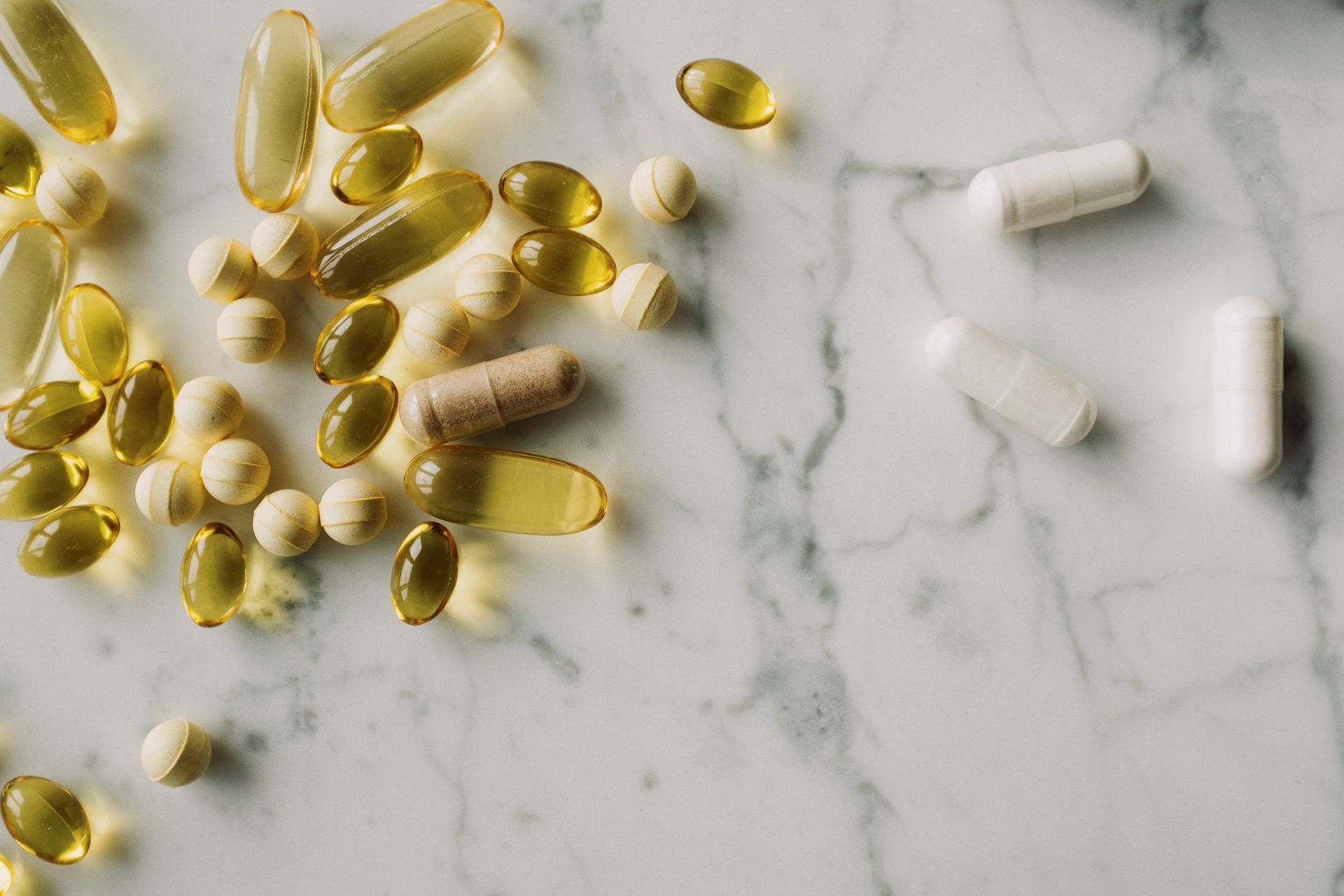
Photo by ready made on Pexels.
How to Choose the Right Probiotic for BV
With so many probiotic supplements on the market, choosing the right one comes down to four things.
- The strain. Look for L. crispatus, L. rhamnosus, or L. reuteri by name on the label, not just the word “probiotic.”
- The CFU count. Studies showing real results generally use somewhere between 2 billion and 30 billion CFU, depending on the strain and delivery method. A probiotic with a much lower count is unlikely to do much.
- The delivery method. Vaginal probiotics tend to show improvement faster, sometimes within 6 to 12 days, because the bacteria go straight to where they are needed. Oral probiotics take longer, often closer to two months, but many women find them easier to stay consistent with.
- Third-party testing. Look for a seal from NSF, USP, or ConsumerLab on the label. This tells you an independent lab verified what is actually in the bottle matches what is on the label, which matters more in the loosely regulated supplement industry than most people realize.
Why BV Keeps Coming Back, and How to Break the Cycle
If you feel like you just got over BV and now it is back again, you are not imagining it and you are not doing anything wrong. Up to 66% of women experience a recurrence within a year of their original treatment. This matters more than most women realize, because it means the standard course of antibiotics often is not the end of the story.
In October 2025, the American College of Obstetricians and Gynecologists issued new guidance that changes part of this conversation. For the first time, ACOG now recommends considering treatment for the male sexual partners of patients with recurrent, symptomatic BV, using a combination of oral and topical medication for the partner. This follows growing evidence that sexual activity plays a real role in BV recurrence. If you are in a relationship with a same sex partner, ACOG recommends a shared decision making conversation with your OB/GYN about whether partner treatment makes sense for you.
A few other habits genuinely lower your recurrence risk.
- Skip douching completely. It disrupts the exact bacterial balance you are trying to protect.
- Use condoms consistently, since new or multiple partners can upset your vaginal bacterial balance.
- Finish your full antibiotic course even after symptoms improve, since stopping early is a common reason BV comes right back.
- Talk with your OB/GYN about a maintenance probiotic strain if you have had two or more episodes in a year.
Common Vaginal Infections: Beyond BV
When to See Your OB/GYN
I always lead with this because it matters. BV symptoms can look a lot like a yeast infection or an STI, and treating yourself for the wrong one delays real relief. See your OB/GYN, do not just self-treat, if any of this applies to you.
- You are pregnant and notice unusual discharge or odor. Untreated BV during pregnancy raises your risk of delivering early or having a baby with low birth weight.
- Your symptoms do not improve within 3 days of starting treatment, or come back within a few weeks of finishing it.
- You develop pelvic pain, fever, or pain during sex along with discharge. This can signal pelvic inflammatory disease, which can affect your fertility if it is not treated.
- You have had BV two or more times in the past year. Recurrent BV also raises your risk of acquiring or transmitting HIV and other STIs, so it is worth a real conversation about a longer term plan, not just another round of the same antibiotic.
Yes, BV is one of the main characters when it comes to vaginal infections, but there are other ones that you want to be aware of.
VAGINAL YEAST INFECTIONS
Vaginal yeast infections result from an overgrowth of Candida albicans, leading to symptoms like intense itching, thick white discharge, and vaginal irritation.
VULVOVAGINAL CANDIDIASIS
URINARY TRACT INFECTIONS (UTIS)
UTIs are not vaginal infections, but symptoms can often be confused with them. UTIs occur when bacteria, typically E. coli, enter the urinary tract, causing symptoms such as frequent urination, burning sensation, and pelvic discomfort.
GARDNERELLA VAGINALIS INFECTIONS
Gardnerella vaginalis is a common culprit in BV and can cause infections independently, leading to symptoms like vaginal discharge, itching, and odor.
Frequently Asked Questions
Can probiotics cure BV on their own?
Not on their own, at least not based on what the research currently shows. Probiotics look promising as a supporting tool alongside antibiotic treatment, but a 2021 Cochrane review and more recent research both found the evidence is not yet strong enough to recommend probiotics as a standalone cure. Think of them as part of your plan, not the whole plan.
Do I need to treat my partner if I have BV?
It depends on your situation, and this is a newer recommendation as of October 2025. ACOG now advises considering treatment for male sexual partners specifically for recurrent, symptomatic BV, since sexual activity appears to play a role in how often BV comes back. If you have a same sex partner, this becomes a shared decision making conversation with your OB/GYN rather than a blanket recommendation. If this is your first episode, partner treatment is not typically needed.
Can I just take a regular probiotic or eat yogurt instead of a BV-specific one?
General yogurt and multi-purpose probiotics are not built for this job. The strains studied for BV, like L. crispatus and L. rhamnosus, need to be present in specific amounts to make a measurable difference in your vaginal bacterial balance. A probiotic aimed at digestive health may not contain those strains at all.
How long does it take for a probiotic to help with BV?
It depends on the delivery method. Vaginal probiotics tend to work faster, with some women noticing improvement in 6 to 12 days, since the bacteria are delivered right where they are needed. Oral probiotics take longer, often closer to two months of consistent use, to meaningfully shift your vaginal bacterial balance.
Is it safe to take a probiotic at the same time as antibiotics for BV?
Generally, yes, and many OB/GYNs recommend it specifically because antibiotics can disrupt the good bacteria in your vaginal microbiome along with the bacteria causing BV. Talk with your provider about timing, since some recommend spacing a probiotic a couple of hours apart from an oral antibiotic dose.
Maintaining vaginal health is important for overall well-being, sis. BV is certainly annoying, but incorporating probiotic supplements into your daily routine can help restore balance to your vagina and keep those pesky infections at bay. Remember to consult with your healthcare provider before starting any new treatment regimen, especially if you’re pregnant or have underlying health conditions. Here’s to a happy and healthy vagina, ladies!
Take the Free Lifestyle Assessment
Answer a few quick questions, then reserve your free consultation with Doctor P.
Explore My Programs
From quick resets to hands-on support, here's everything I offer to help you feel like yourself again.
Program
The Madame Estrogen Mastermind
Access a comprehensive solution to say goodbye to your hormonal imbalance!
The Hormone Wellness Network
Embody hormone harmony. Unleash your inner wonder woman — masterclasses, accountability, sisterhood, access to me, and more!