

WOMEN'S HEALTH
Explore the connection between yeast infection and probiotics, including how probiotics may help restore healthy bacteria balance and support vaginal health naturally.
THE ULTIMATE GUIDE TO CHOOSING THE RIGHT PROBIOTICS FOR EVERY YEAST INFECTION
March 15, 2024
Quick Answer
Probiotics for yeast infections may support your vaginal microbiome, but current research does not show they can treat or prevent a yeast infection on their own. If you have symptoms, get them confirmed first. Antifungal treatment, over the counter or prescription, is still the therapy with real evidence behind it.
Key Takeaways
- A yeast infection comes from an overgrowth of Candida albicans, a fungus, not bacteria.
- The Lactobacillus strains most often marketed for yeast infections have not been shown to effectively treat or prevent it.
- Antifungal medication, over the counter or prescription, is the treatment with proven evidence.
- Four or more yeast infections in a year is its own category (RVVC) and needs a doctor’s evaluation.
- Only about a third of women who self-diagnose a yeast infection actually have one.
The itching, the burning, the feeling that something is off. If you are here, you already know what a yeast infection feels like. Take a breath. This is one of the most common infections I see in my practice, and there is a clear way to think about it. In this guide, I will walk you through what causes a yeast infection, what probiotics can and cannot do for it, and when it is time to call your OB/GYN instead of reaching for a supplement.
What Is a Yeast Infection?
A yeast infection, the clinical term is vulvovaginal candidiasis, happens when a fungus called Candida albicans overgrows in your vagina. It is the second most common cause of vaginal symptoms after bacterial vaginosis, and close to half of women will have at least one yeast infection in their lifetime. Candida is normally present in small amounts. Your Lactobacillus bacteria keep your vaginal pH acidic, under 4.5, which keeps Candida from taking over. When that balance shifts, Candida multiplies and you get the itching, burning, and thick white discharge that make this infection so recognizable.
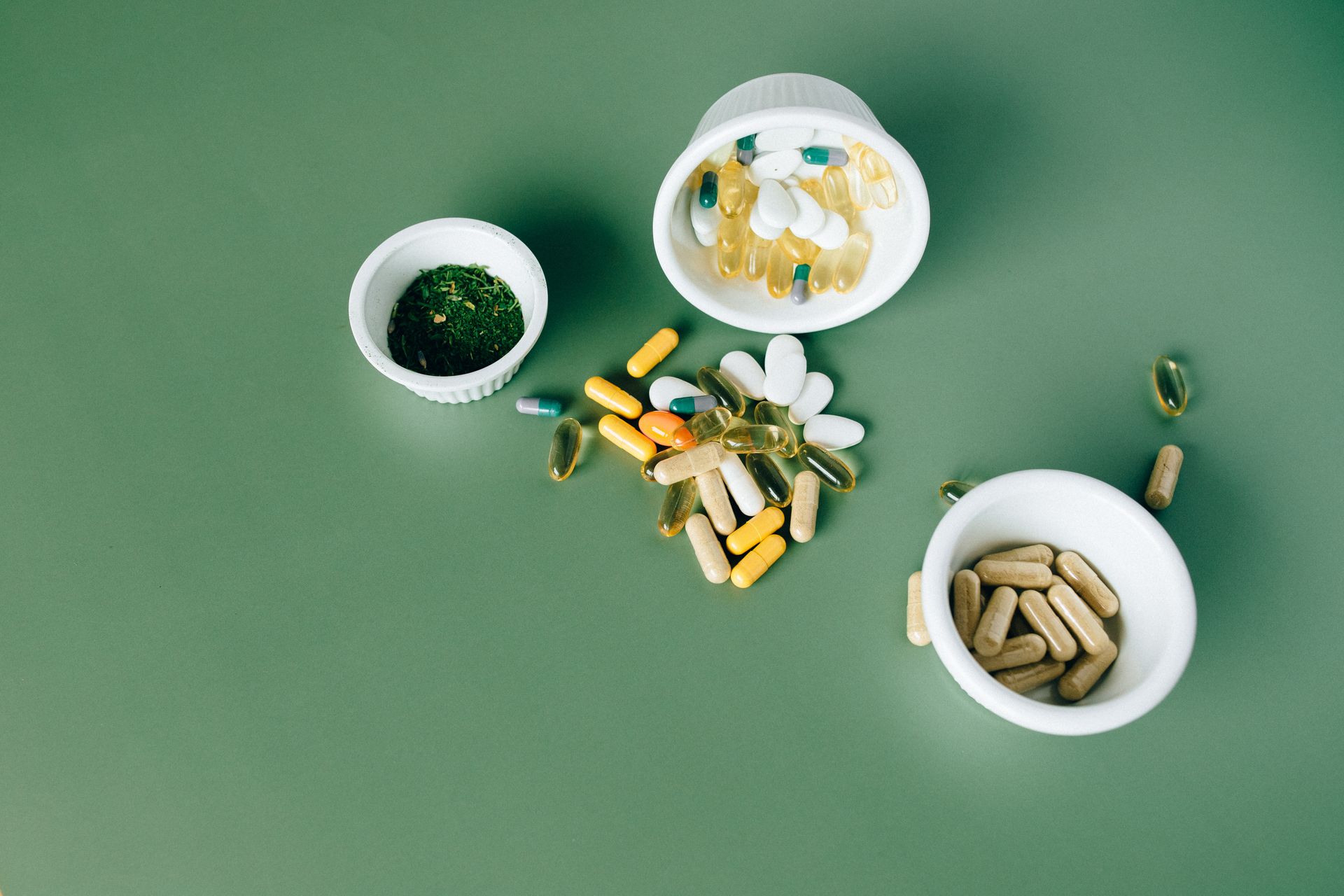
Photo by Nataliya Vaitkevich on Pexels.
What Causes a Yeast Infection?
Several things can tip that balance. Antibiotics are the most common trigger. Antibiotics kill off the good bacteria protecting your vaginal pH along with the infection they are treating, which is the same reason antibiotics can trigger bacterial vaginosis too. Hormonal shifts (pregnancy, birth control, perimenopause), diabetes or blood sugar swings, a weakened immune system, and tight or non-breathable clothing all raise your risk. If your blood sugar runs high, Candida has more to feed on, which is one reason frequent yeast infections are sometimes a sign of undiagnosed insulin resistance worth mentioning to your doctor.
Ways to Prevent Yeast Infections
You cannot always prevent a yeast infection, but you can lower your risk. Wear breathable cotton underwear, avoid scented soaps, sprays, and douches (they disrupt your natural pH more than they help), and change out of wet swimsuits or sweaty workout clothes promptly. A few more everyday habits make a real difference too, especially around antibiotic use and blood sugar control.
Treatment for Vaginal Yeast Infections
I know what it is like to want relief immediately. Here is what I tell my patients first. Before you treat it, make sure it is actually a yeast infection. Studies show only about a third of women who self-diagnose a yeast infection actually have one, the rest have bacterial vaginosis, a mixed infection, or something else entirely that needs a different treatment. If this is your first time, or your symptoms do not match what you have had before, see your OB/GYN for confirmation. From there, treatment usually falls into a few categories.
Over-the-Counter Antifungal Medications
Over the counter antifungals are usually the first option, and they work well for a routine, uncomplicated infection. Clotrimazole and miconazole come as creams, ointments, or suppositories, in 1-day, 3-day, or 7-day courses. All are proven effective for uncomplicated yeast infections when you are confident it is actually a yeast infection and not something else. Most women feel relief within a day or two of starting treatment, though it is worth finishing the full course even if symptoms clear up early.
Prescription Antifungal Medications
Fluconazole (Diflucan) is a single oral antifungal pill, and it is prescription-only in the United States. Your OB/GYN may prescribe it on its own or alongside a topical antifungal for more severe symptoms. For recurrent infections, covered further down, a longer course, sometimes weekly for several months, may be needed to fully reset the balance. Complete the full course your provider gives you, even after symptoms clear.
| Option | What it is | What to know |
|---|---|---|
| Over-the-counter antifungals | Clotrimazole or miconazole creams, ointments, or suppositories in 1-day, 3-day, or 7-day courses | Work well for a routine, uncomplicated infection. Most women feel relief within a day or two. Finish the full course. |
| Prescription fluconazole (Diflucan) | A single oral antifungal pill, prescription-only in the United States | May be prescribed alone or with a topical antifungal for more severe symptoms. Recurrent infections may need a longer course. |
| Probiotics | Oral or vaginal supplements | Not a substitute for antifungal treatment. Evidence for yeast infections specifically is weak. |
Home Remedies and Natural Treatments
Some women try probiotics, boric acid suppositories, or diluted tea tree oil. I want you to know this before anything else. Boric acid has real evidence behind it for recurrent or resistant infections, but it is not something to use during pregnancy and it is toxic if swallowed. Probiotics are discussed in detail further down, since the evidence for yeast infections specifically is weaker than most product marketing suggests. Talk to your OB/GYN before starting any home remedy, especially if you are pregnant or this is not your first infection.
Lifestyle Changes and Prevention Strategies
Lifestyle changes lower your risk of the infection coming back. Stick to breathable cotton underwear, skip tight-fitting bottoms when you can, and limit added sugar and refined carbohydrates, since Candida feeds on sugar. Only use antibiotics when you actually need them, and ask your doctor whether a probiotic alongside a prescribed antibiotic course makes sense for you. A healthy, well-supported immune system is one of your best defenses here.
Probiotics and Your Overall Health
Even though the evidence for treating a yeast infection specifically is weak, probiotics still matter for your overall health. Here is a quick look at what a daily probiotic can support, separate from yeast infection treatment.
Gut Health
Your digestive tract is home to trillions of good and bad bacteria, which is all known as the gut microbiome. Probiotics contain beneficial strains of bacteria like Lactobacillus and Bifidobacterium, which help maintain a healthy balance of gut flora. Probiotics help support digestion and nutrient absorption, which can help with symptoms of digestive discomfort like bloating, gas, and constipation.
Immune System Support
Did you know that a huge portion of your immune system actually resides in your gut? I know! It seems crazy, right? But, the gut plays an important role in regulating immune function and protecting against harmful pathogens. Probiotics help strengthen the gut barrier, help immune responses, and reduce the risk of infections. So, pretty much, probiotics help you stay healthy and ward off illness by supporting a healthy immune system.
Mental Health and Mood
We all know what it’s like to eat too much or not eat enough, right? The slang word “hangry” comes to mind. The gut-brain connection is totally fascinating, and new evidence suggests that probiotics may positively impact mood regulation, stress resilience, and cognitive function. By reducing inflammation, probiotics may help alleviate symptoms of anxiety, depression, and mood disorders.
Skin Health
Your skin is another major barrier that interacts closely with the external environment. Imbalances in the gut microbiome have been linked to various skin conditions, including acne, eczema, and psoriasis. Probiotics can help support skin health by reducing inflammation, strengthening the skin barrier, and promoting the production of antimicrobial peptides. Including probiotics in your daily skincare regimen may create a clearer, more radiant complexion.
Heart Health
Having a healthy balance of gut bacteria may also benefit heart health. Probiotics have been shown to help lower levels of LDL cholesterol and triglycerides, reduce blood pressure, and improve markers of cardiovascular risk.
What the Research Actually Shows About Probiotics and Yeast Infections
I want to be honest with you about something most articles on this topic will not tell you. The specific probiotic strains most often marketed for yeast infections, Lactobacillus rhamnosus GR-1 and Lactobacillus reuteri RC-14, have been studied directly for this. According to the American College of Obstetricians and Gynecologists, these strains, taken orally or vaginally, are not effective for the treatment or prevention of vulvovaginal candidiasis. A Cochrane review found similarly poor evidence for probiotics treating yeast infections specifically, even though the evidence for probiotics helping with bacterial vaginosis is stronger.
This does not mean probiotics are useless. It means they are not a substitute for antifungal treatment, and any product promising to cure or prevent yeast infections through a specific strain is overstating what the research actually shows. In my practice, I tell patients probiotics are worth considering for general vaginal and gut health, not as a stand-alone yeast infection treatment.
Probiotics are support, not treatment
- The strains most often marketed for yeast infections, Lactobacillus rhamnosus GR-1 and Lactobacillus reuteri RC-14, are not effective for treating or preventing vulvovaginal candidiasis, according to the American College of Obstetricians and Gynecologists.
- A Cochrane review found similarly poor evidence for treating yeast infections specifically.
- Probiotics are worth considering for general vaginal and gut health, not as a stand-alone yeast infection treatment.
Probiotic Supplements: What to Know Before You Buy
If you still want to try a probiotic, here is what actually matters when choosing one, plus a few well-reviewed options to consider. These are general vaginal and gut health probiotics, not a proven yeast infection cure, so think of them as a supporting player alongside confirmed treatment, not a replacement for it.
- Optibac Probiotics For Women
- Physician’s Choice Vaginal Probiotics for Women
- Happy v Dr. Formulated Vaginal Probiotics for Women
- Good Girl Probiotics
- Garden of Life, Dr. Formulated Women’s Probiotics Once Daily
- Metagenics UltraFlora Women’s
When you are comparing probiotic supplements, a few things matter more than the marketing on the label:
- CFU count: Look for at least 1 to 10 billion colony-forming units per dose. Lower counts may not deliver enough live bacteria to matter.
- Named strains: A label that lists specific strains, not just a generic Lactobacillus blend, tells you and your doctor exactly what you are taking.
- Delivery method: Oral capsules are easiest to stick with. Vaginal suppositories deliver bacteria more directly. Neither has strong evidence specifically for yeast infections, so pick whichever you will actually use consistently.
- Third-party testing: A seal from an independent lab, like NSF or USP, confirms the product actually contains what the label claims.
Probiotics are generally safe for most people. Mild side effects like gas or bloating are the most common complaint. If you are more prone to bacterial vaginosis than yeast infections, the strain evidence looks different too. Those are two different conditions, even though people often use probiotic for down there to mean both.
| On the label | What to look for |
|---|---|
| CFU count | At least 1 to 10 billion colony-forming units per dose. Lower counts may not deliver enough live bacteria to matter. |
| Named strains | Specific strains listed, not just a generic Lactobacillus blend. |
| Delivery method | Oral capsules or vaginal suppositories. Neither has strong evidence for yeast infections, so pick the one you will use consistently. |
| Third-party testing | A seal from an independent lab, like NSF or USP, confirms the product contains what the label claims. |
Recurrent Yeast Infections (RVVC): When It's More Than a One-Off
If you get yeast infections often, there is a name for it. Recurrent vulvovaginal candidiasis (RVVC) is defined as four or more confirmed yeast infections within twelve months. That is different from one infection that lingers or comes back a single time after treatment. RVVC needs a different approach, often a longer suppressive course of fluconazole, testing to confirm it is actually Candida albicans and not a different, harder-to-treat species, and a look at what is driving the pattern, whether that is uncontrolled blood sugar, an underlying immune issue, or a partner who needs treatment too. If this sounds like you, my guide on yeast infection treatment options goes deeper, and it is worth knowing what not to do when you are stuck in this cycle, since a few common habits actually make recurrence more likely.
Recurrent yeast infections (RVVC) at a glance
- The definition: four or more confirmed yeast infections within twelve months.
- The approach: often a longer suppressive course of fluconazole, plus testing to confirm it is Candida albicans and not a harder-to-treat species.
- The root cause: look at what is driving the pattern, such as uncontrolled blood sugar, an underlying immune issue, or a partner who needs treatment too.
When to See Your OB/GYN: Red Flags
I always lead with this because it matters. Most yeast infections are straightforward, but a few signs mean you need an in-person exam rather than an OTC treatment or a probiotic.
See your OB/GYN if:
- You have significant swelling, redness, or skin splitting around the vulva, not just itching
- You have had four or more infections in the last twelve months
- You have diabetes, a suppressed immune system, or take medications like corticosteroids
- Your symptoms have not improved a few days after finishing OTC treatment
- You are pregnant, since some treatments are not safe during pregnancy
- Your discharge looks different from a typical yeast infection. A grayish discharge with a fishy odor points to bacterial vaginosis instead, and checking what your discharge color and texture actually mean can help you describe it accurately to your doctor
A yeast infection should not cause fever, pelvic pain, or bleeding. If you have any of those, call your doctor the same day.
Frequently Asked Questions
Does a yeast infection go away on its own without treatment?
Sometimes, but you should not count on it. Mild cases occasionally clear up without treatment, but most yeast infections need an antifungal to fully resolve. Waiting it out also means living with the itching and burning longer than you need to. If your symptoms have not improved within a few days, start treatment or see your OB/GYN rather than waiting.
Can probiotics actually cause a yeast infection?
No. Probiotics themselves do not cause a yeast infection. But antibiotics prescribed alongside them, or taken on their own, can trigger one by wiping out the good bacteria that normally keep Candida in check. If you notice yeast infection symptoms after starting a new antibiotic, that is the more likely cause, not the probiotic.
How long do probiotics take to work for a yeast infection?
There is no proven timeline, since the research does not show probiotics reliably treating a yeast infection on their own. If you are taking one for general vaginal or gut health, most women take a few weeks to notice any difference. For the yeast infection itself, an antifungal will work faster, usually within a day or two of starting treatment.
Can I use a probiotic and antifungal treatment at the same time?
Yes. There is no known interaction that makes this unsafe. Taking a daily oral probiotic while using an antifungal cream, suppository, or fluconazole is fine. Just do not expect the probiotic to speed up how quickly the antifungal clears the infection, since that is not what the evidence supports.
What is the difference between a yeast infection and bacterial vaginosis?
They are caused by different organisms and need different treatments. A yeast infection comes from an overgrowth of the fungus Candida albicans, with thick white discharge and itching, but usually little to no odor. Bacterial vaginosis comes from an imbalance of vaginal bacteria, with a thin, grayish discharge and a distinct fishy odor. Since antifungals treat one and antibiotics treat the other, guessing wrong means the treatment will not work. This is exactly why confirming which one you have matters before you self-treat.
Take the Free Lifestyle Assessment
Answer a few quick questions, then reserve your free consultation with Doctor P.
Explore My Programs
From quick resets to hands-on support, here's everything I offer to help you feel like yourself again.
Program
The Madame Estrogen Mastermind
Access a comprehensive solution to say goodbye to your hormonal imbalance!
The Hormone Wellness Network
Embody hormone harmony. Unleash your inner wonder woman — masterclasses, accountability, sisterhood, access to me, and more!