

Learn why period tracking matters for hormone balance, energy, and mood, and how understanding your cycle can help you feel better every month.
Period Tracking: Beyond Dates — Tools for Hormonal Insights
Quick Answer
Period tracking means more than marking start and end dates. Watching basal body temperature, cervical mucus, mood, and energy across your cycle shows you how estrogen and progesterone shift week to week, so you can spot your fertile window, plan around low-energy days, and catch early signs your hormones are out of balance.
Key Takeaways
- Your cycle runs in three phases, follicular, ovulation, and luteal, each with a different hormone profile
- Basal body temperature and cervical mucus both shift around ovulation and can be tracked without an app
- A normal cycle runs 21 to 35 days. Shorter or longer patterns are worth a conversation with your OB/GYN
- Tracking apps predict ovulation from your data, but accuracy varies, so pair an app with your own symptom log
- Missing a period for 3 or more months in a row is a reason to call your doctor, not wait it out
For many women, period tracking begins and ends with marking a date on a calendar, when it starts, when it ends, and when to expect the next one. But there’s so much more happening beneath the surface than just counting days. Your menstrual cycle is a built-in feedback system that reflects your hormones, mood, energy, and even how well you’re managing stress. Understanding it can transform the way you care for yourself, both physically and mentally.
Once you start paying attention to the subtle shifts in your body, energy, sleep, cravings, and emotions, you begin to notice a pattern. Those patterns reveal how your hormones ebb and flow throughout the month. Learning to read them gives you insight, control, and confidence in understanding what your body is trying to tell you.
Why You Should Track More Than Just Dates
Period tracking isn’t only about predicting your next cycle. It’s about understanding how your hormones influence your daily life. Each phase of your menstrual cycle brings unique hormonal changes that can affect everything from your focus and mood to your skin and sleep quality.
When you track your body’s natural rhythm, you can:
- Anticipate emotional and physical changes like fatigue or irritability
- Time your workouts for peak performance and recovery
- Understand your fertility window more accurately
- Recognize early signs of imbalance or hormonal disruption
Your cycle is not random. It’s one of the most reliable ways to monitor your overall health.
The Three Phases of Your Cycle
Your cycle isn’t one long stretch. It runs in three distinct phases, and each one comes with its own hormone signature.
- Follicular phase (day 1 to about day 13): Your period starts on day 1, and estrogen climbs through the rest of the phase as your body prepares an egg for release.
- Ovulation (around day 14): Estrogen peaks and an egg is released. This roughly 24-hour window is your fertile window.
- Luteal phase (day 15 to 28): Progesterone rises to support a possible pregnancy. If pregnancy doesn’t happen, both hormones drop and your period starts the next cycle.
These day ranges are averages, not a rule. A shorter or longer cycle can still be perfectly healthy, which is exactly why tracking your own pattern matters more than comparing it to a textbook number.
Advanced Period Tracking Tools and Methods
If you’re ready to go beyond basic date tracking, here are some ways to gather deeper hormonal insights. These methods help you understand not just when your period comes, but why you feel a certain way throughout your cycle.
1. Symptom Logging
Start by jotting down your daily symptoms, cramping, bloating, headaches, mood changes, energy levels, and even digestion. After a few months, you’ll notice patterns. Maybe your anxiety increases during your luteal phase, or your focus improves mid-cycle. Understanding these trends helps you plan around your natural rhythm rather than fighting against it.
2. Basal Body Temperature (BBT)
Tracking your basal body temperature each morning before getting out of bed gives clues about your ovulation and hormone balance. After ovulation, your BBT slightly increases, indicating a rise in progesterone. Over time, this data helps you identify your fertile window and determine whether your cycle is regular and healthy.
3. Cervical Mucus Observation
Your cervical mucus changes throughout your cycle, reflecting hormonal shifts. When estrogen levels rise before ovulation, mucus becomes clear and stretchy, signaling fertility. After ovulation, progesterone thickens it again. Tracking these changes can help you understand where you are in your cycle, even without testing.
4. Mood and Energy Tracking
Hormones heavily influence your emotions, focus, and motivation. Many women feel energetic and outgoing after their period but crave solitude and rest before their next one. Tracking mood and energy helps you notice when to take on big projects and when to slow down. It’s self-awareness that promotes balance.
5. Digital Apps and Wearable Tech
Apps like Clue, Natural Cycles, and Flo now offer more than just cycle predictions. They help you log symptoms, mood, and physical changes, often syncing with smart devices that track sleep, temperature, or heart rate. These tools provide a more complete picture of your hormonal health and patterns.
Worth knowing though, apps aren’t perfect. One review of popular period tracker apps found their ovulation-day predictions were exactly correct only 8% of the time. That doesn’t make them useless, it means an app works best alongside your own symptom log, not instead of it.
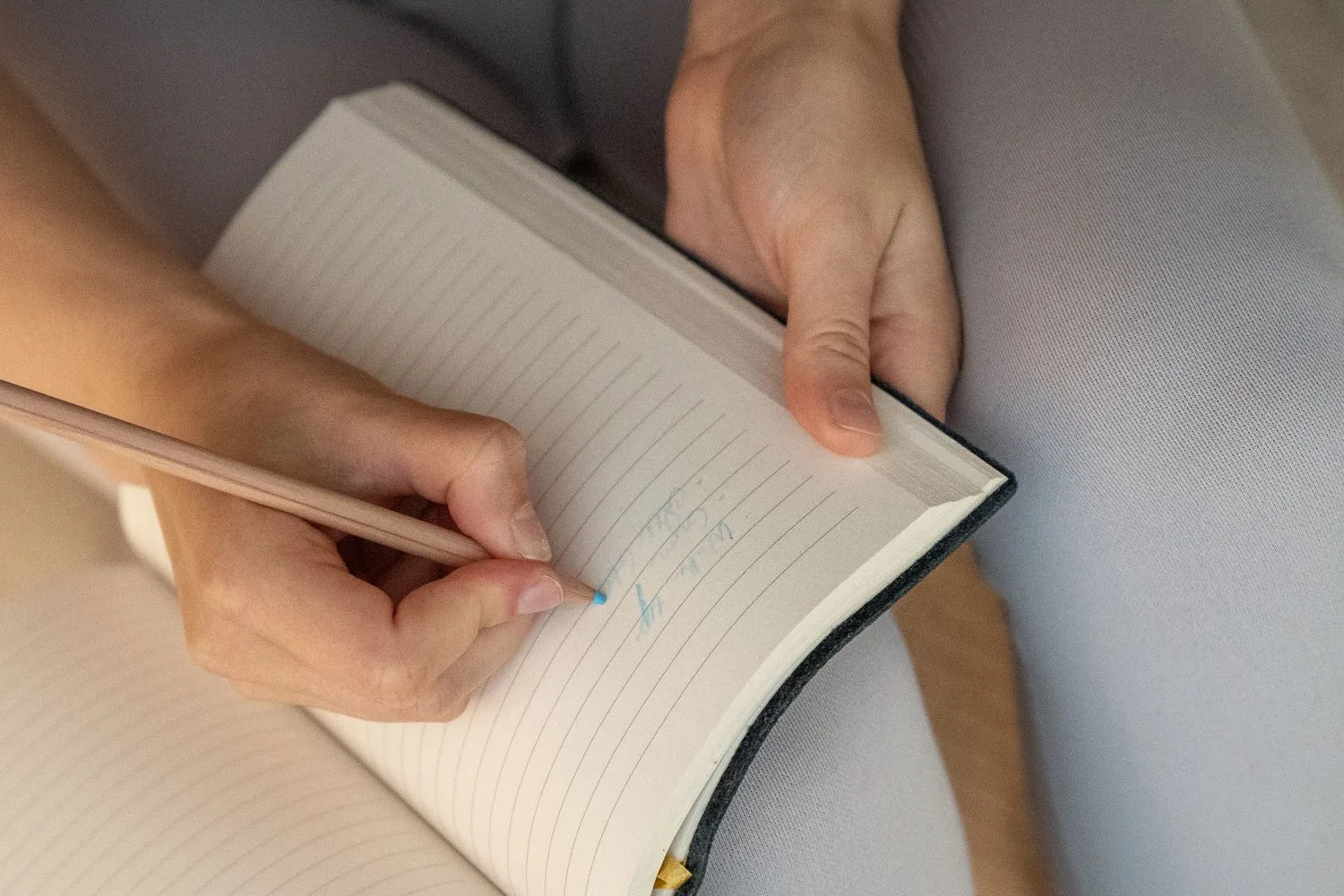
Photo by Kevin Malik on Pexels.
What Counts as an Irregular Cycle
A period doesn’t have to be exactly 28 days to be normal. A cycle counts as regular if it falls somewhere between 21 and 35 days, counted from the first day of one period to the first day of the next.
Outside that range is when it’s worth paying attention. A cycle shorter than 21 days or longer than 35 days is considered irregular. So is missing your period for 3 or more months in a row, when you know you’re not pregnant.
A few things commonly throw cycles off track: high stress, which can delay or skip ovulation entirely, perimenopause as hormone levels start shifting, PCOS (recently renamed polyendocrine metabolic ovarian syndrome, or PMOS), thyroid disorders, and some hormonal birth control changes. None of these are something to self-diagnose from a tracking app alone, but knowing the usual suspects makes it easier to describe your pattern clearly when you bring it up with your OB/GYN.
None of these on their own mean something is seriously wrong, but a pattern like this can be an early sign of an underlying hormonal imbalance, and it’s exactly the kind of thing that’s easy to miss if you’re only tracking start and end dates. If you notice it, it’s worth a conversation with your OB/GYN rather than waiting to see if it resolves on its own.
How Cycle Tracking Helps You Take Charge of Your Health
Once you’ve been tracking for a few months, the data becomes powerful. You’ll start to recognize your cycle as a guide, showing you when to rest, when to push, and when to nourish yourself differently.
- Plan workouts: Schedule high-intensity training during ovulation and lighter movement before your period.
- Boost productivity: Use your follicular and ovulatory phases for brainstorming and collaboration, while saving reflection or organization for your luteal phase.
- Adjust nutrition: Support changing hormone levels by increasing magnesium, iron, and healthy fats when your body needs them most. Our period diet plan breaks down exactly what to eat in each phase.
- Spot warning signs: Irregular cycles, missed ovulation, or extreme PMS symptoms may signal thyroid issues, PCOS, specific period colors, or other hormonal concerns worth checking out.
Your period isn’t just an inconvenience that comes once a month. It’s a detailed report on your hormonal health. Tracking more than just your dates gives you insights into your body’s natural rhythm and helps you make informed decisions about your health and lifestyle.
So stop thinking of your cycle tracker as just a countdown to your next period. Think of it as a personal health journal. One that helps you understand your hormones, support your body, and live in tune with your own unique cycle.
Frequently Asked Questions
What's considered a normal versus irregular menstrual cycle?
A cycle length of 21 to 35 days, counted from the first day of one period to the first day of the next, is considered normal. Shorter or longer than that, or missing your period for 3 or more months in a row, counts as irregular and is worth mentioning to your OB/GYN.
What are the phases of the menstrual cycle, and how long does each one last?
The cycle runs through three phases. The follicular phase starts on day 1 of your period and lasts to about day 13, driven by rising estrogen. Ovulation happens around day 14 and lasts about 24 hours. The luteal phase runs from day 15 to 28, driven by rising progesterone.
How accurate are period tracking apps at predicting ovulation and my next period?
Less than most people assume. One review of popular tracking apps found their exact ovulation-day predictions were correct only 8% of the time. Apps work best as one input alongside your own symptom, temperature, or mucus tracking, not as a replacement for it.
Can I track my cycle accurately without using an app?
Yes. Basal body temperature and cervical mucus observation are both free, low-tech methods that reveal ovulation and hormone shifts on their own. Many women combine one of these with simple symptom logging on paper or in a notes app.
What cycle changes should prompt a call to my OB/GYN?
Cycles shorter than 21 days or longer than 35 days, periods that stop for 3 or more months, or new extreme PMS symptoms are all worth a call. These can point to thyroid issues, PCOS, or another hormonal imbalance that’s easier to treat the earlier it’s caught.
What's Next?
Tracking your period is powerful. Knowing what to do with the data is life-changing.
Turn your cycle insights into real hormone-supporting habits with the Hack Your Habits 7-Day Challenge.
Take the Free Lifestyle Assessment
Answer a few quick questions, then reserve your free consultation with Doctor P.
Explore My Programs
From quick resets to hands-on support, here's everything I offer to help you feel like yourself again.
Program
The Madame Estrogen Mastermind
Access a comprehensive solution to say goodbye to your hormonal imbalance!
The Hormone Wellness Network
Embody hormone harmony. Unleash your inner wonder woman — masterclasses, accountability, sisterhood, access to me, and more!