

THYROID
THYROID DISEASES IN WOMEN
March 11, 2024
Quick Answer
Thyroid disease in women is a group of conditions where the thyroid gland makes too little hormone (hypothyroidism) or too much (hyperthyroidism). About 1 in 8 women will develop a thyroid disorder in their lifetime. Common signs include fatigue, weight changes, mood changes, and period changes. A simple TSH blood test is usually the first step, and most thyroid conditions are very treatable.
Key Takeaways
- Women are much more likely than men to have a thyroid problem.
- An underactive thyroid slows your body down, and an overactive thyroid speeds it up.
- Symptoms overlap with menopause, postpartum changes, and other conditions, so testing matters.
- Thyroid disease can affect periods, fertility, and pregnancy.
- Treatment works well when it is matched to the type of thyroid disease.
Thyroid disease is one of the most common illnesses in the U.S. Approximately 12% of all Americans (20 million people) will have a thyroid disorder at some point in their lives. Unfortunately, up to 60% of people with thyroid disease are unaware of their condition, and undiagnosed thyroid disease can lead to many serious health conditions. Anybody can develop a thyroid problem at any point in life, but women are up to eight times more likely to have a thyroid disorder than men. In fact, 1 in 8 women will develop a thyroid disorder during their lifetime.
If you are wondering whether your own symptoms could be thyroid related, you are in the right place. This guide covers the types of thyroid disease, the symptoms to watch for, how it is diagnosed, and how it is treated. If your question is more specific, my posts on an overactive thyroid and how stress affects thyroid function go deeper.
WHAT HORMONES DOES THE THYROID PRODUCE?
The thyroid gland is a butterfly-shaped endocrine organ (a gland that releases hormones into your blood) in the front of the neck, just under the voice box. It produces three hormones, triiodothyronine (T3), tetraiodothyronine (T4 or thyroxine), and calcitonin. The thyroid gland needs a good supply of dietary iodine to work properly.
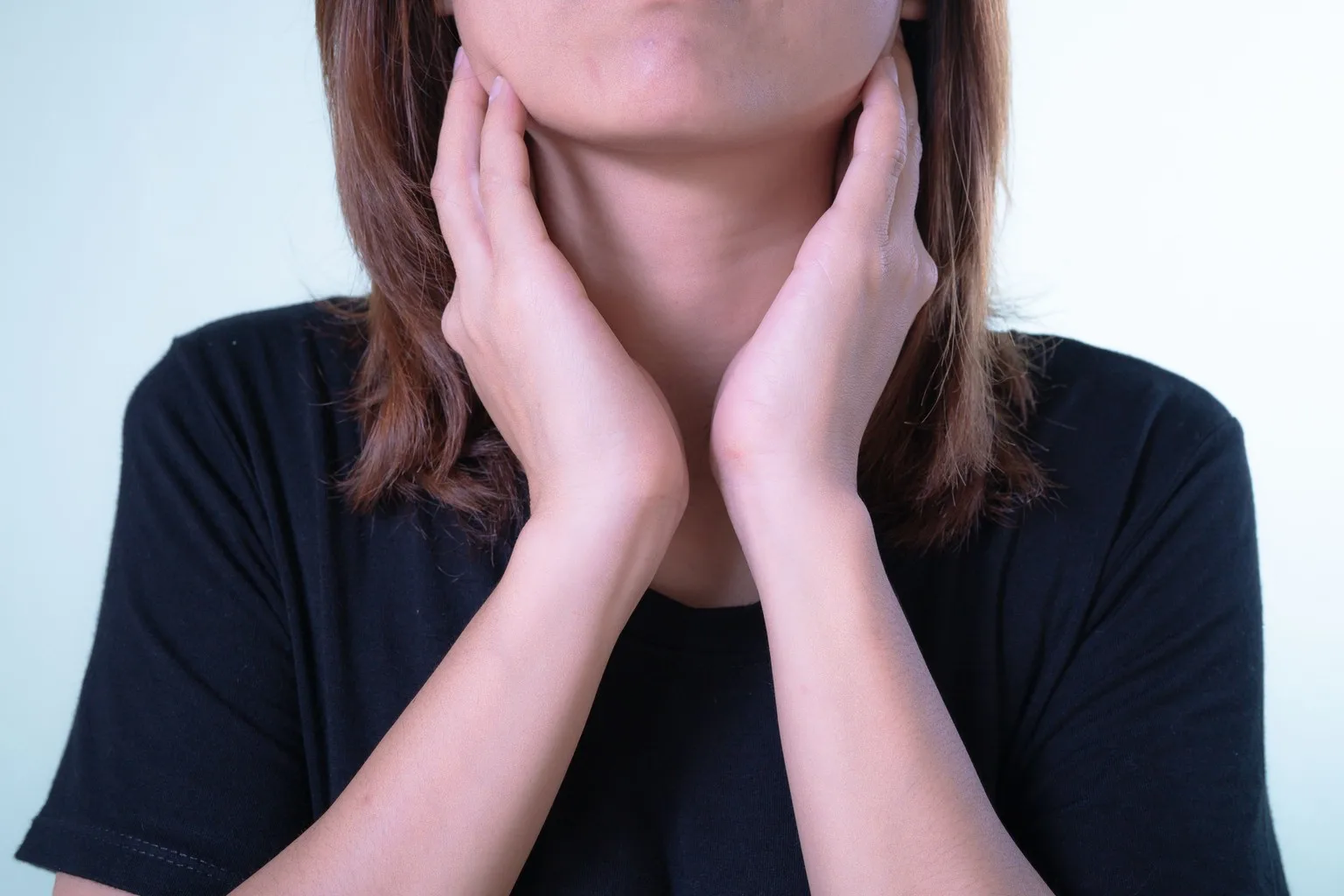
T3 and T4 play a part in nearly every system in your body. They help regulate brain development, metabolism, weight, energy levels, brain function, heart and gut function, body temperature, and the growth of your skin, nails, and hair.
Calcitonin is made by cells in the thyroid called “C cells” and helps regulate calcium levels in the blood. Interestingly, people who have had their thyroid removed have virtually no calcitonin and show no resulting symptoms.
HOW DOES THE THYROID WORK?
Your thyroid takes its orders from the brain. The hypothalamus, a small area just above the pituitary gland, releases thyrotropin-releasing hormone (TRH). TRH tells the pituitary gland, a small gland at the base of the brain, to release thyroid-stimulating hormone (TSH). TSH then tells the thyroid how much T3 and T4 to make and release. When hormone levels in your blood are low, TSH rises, and when they are high, TSH falls. This feedback loop adapts to your body’s needs and is known as the hypothalamic-pituitary-thyroid axis (HPT axis).
WHAT CAN GO WRONG WITH THE THYROID GLAND?
Typically, the thyroid gland produces the exact quantity of hormones needed to keep your metabolism running smoothly and in balance. However, sometimes things can go wrong, causing the thyroid gland to over or underproduce hormones. Too much hormone production (hyperthyroidism) can cause the body to use up energy too quickly, while too little hormone production (hypothyroidism) can slow the body down. Other things that can go wrong with the thyroid gland include the development of cancerous and non-cancerous cells, as well as damage due to an autoimmune disease.

Photo by Gustavo Fring on Pexels
- Hypothyroidism or an underactive thyroid is a condition where the thyroid gland does not make enough hormone. Common causes of hypothyroidism include radiation treatment, thyroid surgery, iodine deficiency, pregnancy, family history of hypothyroidism, thyroiditis (inflammation of the thyroid), and certain medications. Hashimoto’s disease, an autoimmune disorder that causes the immune system to attack the thyroid gland, leading to inflammation, is the most common cause of hypothyroidism. Some symptoms of hypothyroidism include depression, low heart rate, fatigue, weight gain, cold intolerance, achy joints and muscles, dry skin, thinning hair and eyebrows, and changes in the menstrual cycle.
- Hyperthyroidism or an overactive thyroid is when the thyroid overproduces thyroid hormones. It can be caused by many things, including an autoimmune disorder like Graves’ disease, which causes the immune system to attack the thyroid gland, produce too much thyroid hormone, and speed up the body’s metabolism. Graves’ disease is the most common cause of hyperthyroidism. Other causes of hyperthyroidism include thyroid nodules (non-cancerous lumps) and thyroiditis (inflammation of the thyroid). Some symptoms of hyperthyroidism include unexplainable weight loss, sweating, changes in menstrual cycle, tremors, irregular heartbeat, anxiety, and tiredness.
- Toxic Nodular Goiter, also known as Plummer disease, is a condition where one or more nodules (small masses) develop in the thyroid gland and produce excess thyroid hormones, which are released into the bloodstream. This leads to hyperthyroidism.
- Thyroiditis is a group of conditions that cause inflammation of the thyroid gland, leading to over or underproduction of thyroid hormones. Causes of thyroiditis include infections, medications, radiation, and autoimmune diseases.
- Postpartum Thyroiditis is an inflammation of the thyroid that occurs in up to 10% of women after giving birth. Sometimes this goes undiagnosed as some of the symptoms of postpartum thyroiditis, such as tiredness and moodiness, are similar to the symptoms of “baby blues” that most women experience after having a baby.

- Thyroid Adenomas are mostly non-cancerous growths on the thyroid gland. They are often asymptomatic, although some of them can cause an overproduction of thyroid hormones, leading to hyperthyroidism.
- Thyroid Cancer is a condition where cancer cells form in the thyroid gland. Fortunately, these are highly treatable and generally have a good prognosis. People who have been exposed to radiation are at greater risk of developing thyroid cancer, as well as those with a family history of cancer. Age, gender, and obesity status increase the risk factors for thyroid cancer. Some symptoms of thyroid cancer can include a palpable lump on the neck, feeling like shirt collars or necklaces are too tight, swollen lymph nodes in the neck, hoarseness of the voice, and pain or tenderness in the neck.
THYROID DISEASE SYMPTOMS IN WOMEN
Thyroid symptoms creep in slowly and often look like other things, which is why so many women go undiagnosed. Here is how an underactive and an overactive thyroid tend to show up, based on the NIDDK hypothyroidism and hyperthyroidism guides.
| What you notice | Underactive thyroid | Overactive thyroid |
|---|---|---|
| Energy and sleep | Fatigue | Trouble sleeping, restlessness |
| Weight | Weight gain | Weight loss despite a good appetite |
| Heart rate | Slowed heart rate | Rapid or irregular heartbeat |
| Temperature | Trouble tolerating cold | Trouble tolerating heat |
| Mood | Depression | Nervousness and irritability |
| Periods | Heavy or irregular periods | Lighter or less frequent periods |
| Body and skin | Dry skin, thinning hair, joint and muscle pain | Shaky hands, frequent bowel movements, a swollen neck (goiter) |
I want you to know that these symptoms overlap with other life stages. The Office on Women’s Health notes that thyroid symptoms can be mistaken for menopause symptoms, and that postpartum thyroiditis often goes unnoticed because it looks like the baby blues. If your symptoms do not add up, my guide to perimenopause and my Deep Dive on whether a thyroid imbalance can cause depression can help you sort out what might be going on. A simple blood test is the only way to know for sure.
Photo by Nataliya Vaitkevich on Pexels
THYROID DYSFUNCTION AND FERTILITY
Thyroid disease can affect several body systems, including the reproductive system. Low thyroid levels are linked to abnormal menstrual cycles, anovulatory cycles (cycles where an egg is not released), and an increased risk of miscarriage and pregnancy complications. If you are trying to conceive, my Deep Dive on getting pregnant when you are not ovulating explains what to look at beyond your thyroid.
Pregnant women with hypothyroidism are more likely to develop gestational high blood pressure, anemia, placental abruption, low infant birthweight, stillbirth, and postpartum hemorrhage. The good news is that low thyroid is very treatable, and healthy thyroid levels can make a real difference on your fertility journey.
HOW THYROID DISEASE IS DIAGNOSED
Thyroid disease can be difficult to diagnose because the symptoms mimic other conditions. Your doctor will ask about your symptoms, examine your neck, and order blood tests. Here is what each test does.
| Test | What it tells your doctor |
|---|---|
| TSH blood test | Usually the first test. It is considered the best way to initially test thyroid function. |
| Free T4 (and sometimes T3) | Read together with TSH to see how much active thyroid hormone is in your blood. |
| Thyroid antibodies | Help find the cause, such as Hashimoto’s disease or Graves’ disease (autoimmune conditions). |
| Ultrasound or thyroid scan | Look at the size and shape of the gland and check any lumps (nodules). |
Routine screening is not recommended for most women, but if you have symptoms or risk factors such as a family history, ask your doctor about testing. Tell your doctor about every supplement and medicine you take too, since they can affect how thyroid care is managed.
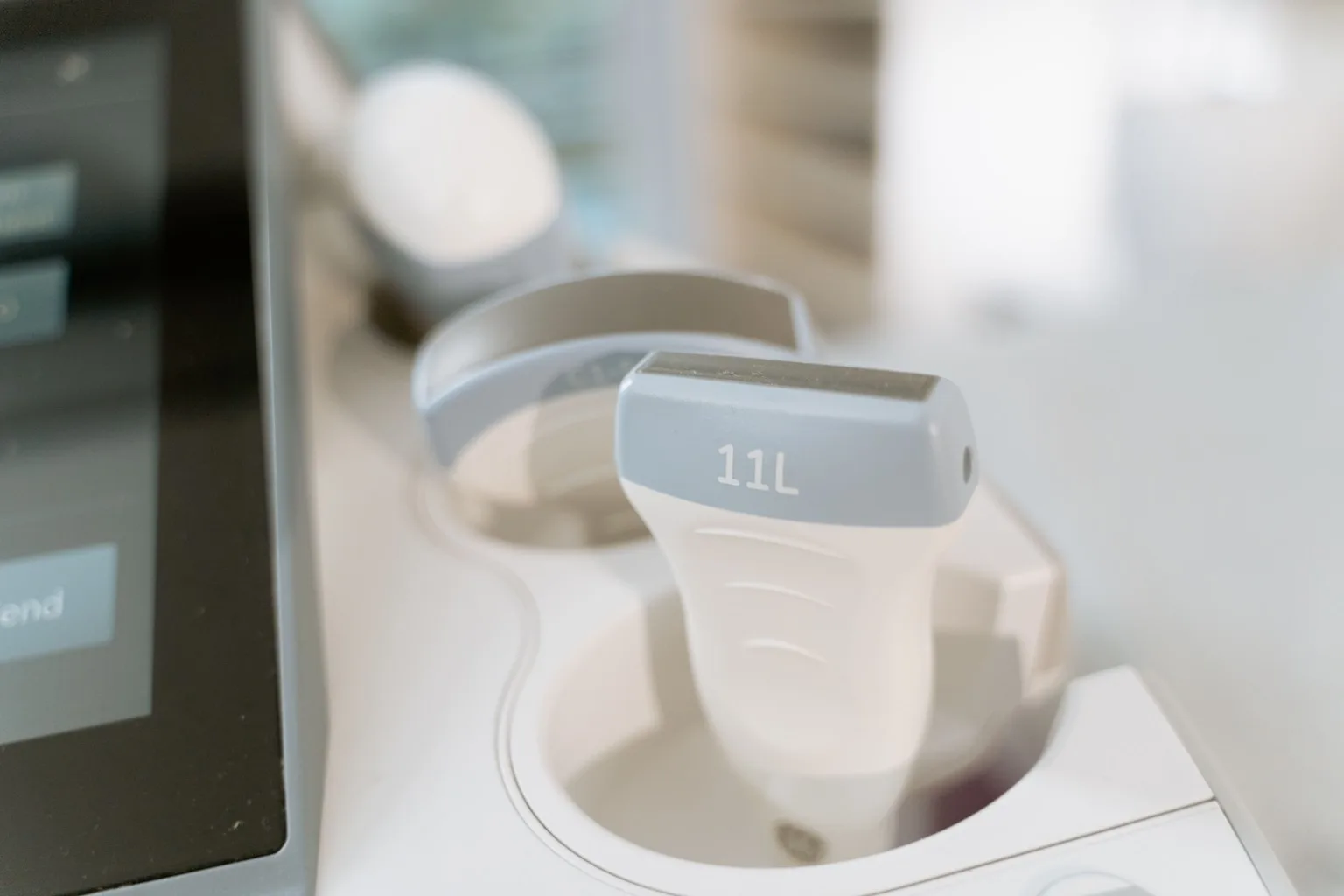
Photo by MART PRODUCTION on Pexels
WHEN TO SEE YOUR DOCTOR
I always lead with this because it matters. Make an appointment with your doctor if you notice any of the following.
- A lump or swelling at the front of your neck, or a feeling of fullness in your neck
- Hoarseness that does not go away
- A rapid or irregular heartbeat
- Several symptoms from the table above that last for weeks
- Periods that have become heavy, light, irregular, or have stopped, or trouble getting pregnant
- Tiredness, mood changes, or other symptoms after giving birth, since postpartum thyroiditis can look like the baby blues
A large thyroid nodule can cause trouble swallowing or breathing. If you have trouble breathing or swallowing, or a racing heartbeat with chest pain or fainting, get care right away. If you are pregnant or planning to be, tell your doctor about any thyroid history early, because untreated thyroid disease raises the risk of miscarriage, premature birth, and other complications, and your dose and checks may need to change.

Photo by Felipe Queiroz on Pexels
TREATMENT FOR THYROID DISEASE
The goal of treatment is to bring your thyroid hormones back into balance. How we get there depends on the type of thyroid disease.
- Hypothyroidism (underactive thyroid): treatment is usually a daily pill of levothyroxine, a synthetic form of the T4 hormone. Your doctor will recheck your blood about 6 to 8 weeks after you start, and again after any dose change.
- Hyperthyroidism (overactive thyroid): options include antithyroid medicines, radioactive iodine, or surgery. Antithyroid medicines reduce hormone production but are not a permanent cure. Radioactive iodine slowly destroys thyroid cells and is not used during pregnancy or breastfeeding. Beta-blockers can ease symptoms like a racing heartbeat while the other treatment takes effect. My guide to an overactive thyroid covers this side in more detail.
- Thyroid adenomas and thyroid cancer: these are treated with surgery or radioactive iodine, and some cancers also need external radiation or chemotherapy.
Never stop or change a thyroid medicine on your own. If something feels off, tell your doctor so the dose can be adjusted.
LIFESTYLE AND NUTRITION FOR THYROID HEALTH
A nutritious, balanced diet, regular physical activity, and regular health care can all support your thyroid over the long term. Because thyroid hormones are dependent on iodine, a healthy thyroid also depends on getting enough of it. Most people in the U.S. get enough iodine because many foods are fortified with it. Using iodized salt and eating iodine-rich foods like seafood, seaweed, eggs, and dairy in moderation can help. If you follow a vegan diet, you may not get enough iodine from food alone, so talk with your healthcare provider or a nutritionist about your options.

Photo by Natali Yakovleva on Pexels
Stress is another everyday factor worth knowing about. I break down how it affects your thyroid in my post on how stress affects thyroid function, and my guide to lowering cortisol offers practical steps.
Foods like soy products and cruciferous vegetables such as broccoli and cabbage are known as goitrogens. They can interfere with how the thyroid works. Most healthy people will not have an issue unless they eat an excessive amount, but if your thyroid levels are already low, it is worth discussing with your doctor. There is also evidence that micronutrients like selenium, zinc, copper, calcium, and iron support thyroid function, so aim for a varied, nutrient-dense diet.
If you are concerned about your thyroid for any reason, ask your doctor for blood work to check your thyroid levels. If you want to look at the bigger hormone picture, my Ultimate Hormone Assessment is a great place to start, and my Deep Dive on whether a thyroid problem can cause hormonal imbalance shows how it all connects.
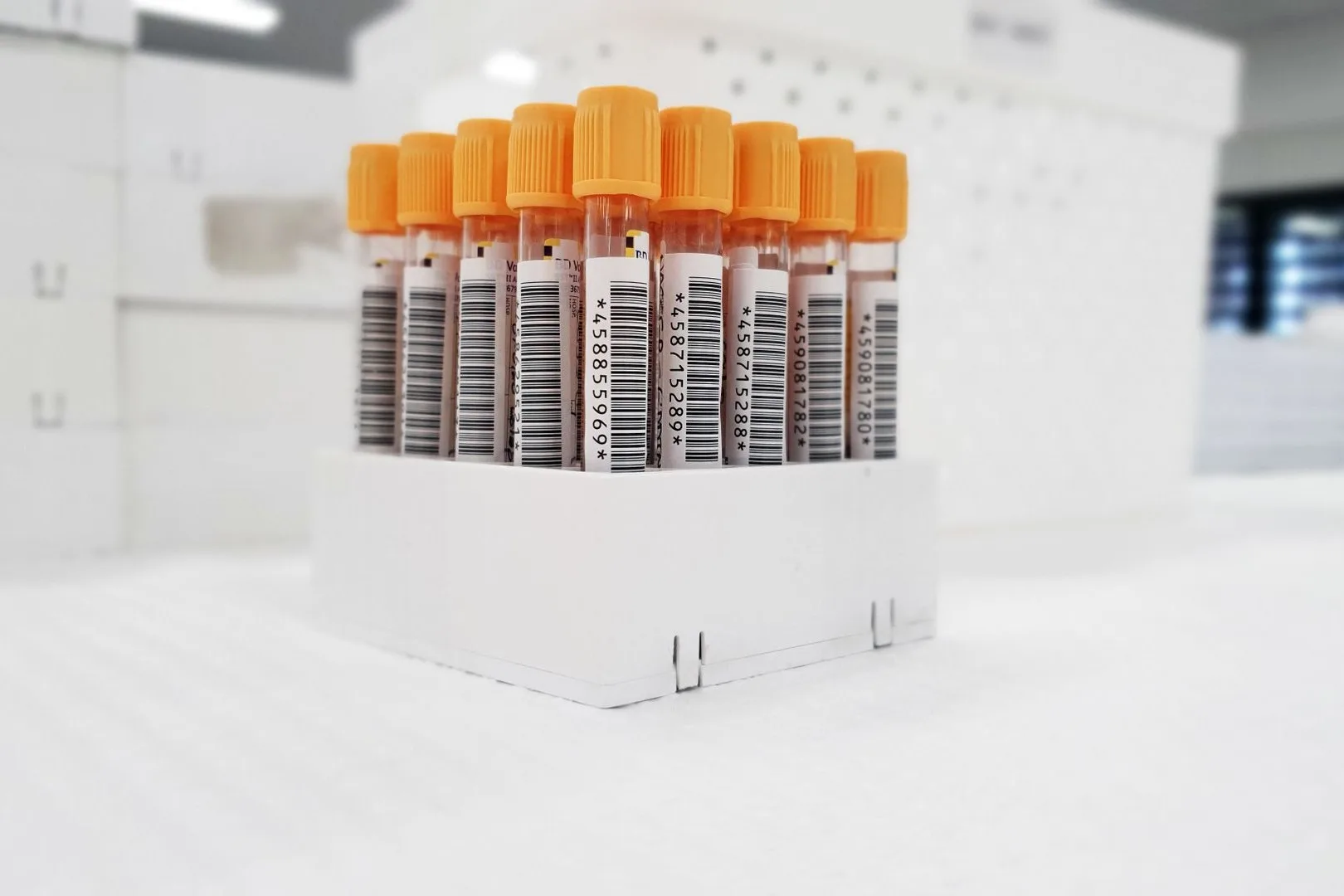
Photo by Charlie-Helen Robinson on Pexels
FREQUENTLY ASKED QUESTIONS
What are the most common thyroid diseases in women?
The most common are hypothyroidism (an underactive thyroid), most often caused by Hashimoto’s disease, and hyperthyroidism (an overactive thyroid), most often caused by Graves’ disease. Thyroiditis, thyroid nodules, and thyroid cancer are less common, and postpartum thyroiditis can follow pregnancy.
What are the early signs of thyroid problems in women?
Early signs include fatigue, weight changes, mood changes, trouble tolerating cold or heat, and changes in your periods. Because these symptoms are common and can have many causes, a blood test is the only way to know whether your thyroid is involved.
Can thyroid problems cause irregular periods?
Yes. Too much or too little thyroid hormone can make periods light, heavy, or irregular, or stop for months. An underactive thyroid is more often linked to heavy or irregular periods, while an overactive thyroid is more often linked to lighter or less frequent periods.
Can thyroid disease be cured?
Many thyroid conditions are managed rather than cured. Hypothyroidism is usually treated with a daily thyroid hormone pill, often for life. Radioactive iodine or surgery can permanently stop an overactive thyroid, but most people then need lifelong thyroid hormone replacement. With the right treatment, most women feel well and live normally.
Can I get pregnant if I have thyroid disease?
Yes, many women with thyroid disease have healthy pregnancies, but untreated thyroid disease raises the risk of miscarriage, premature birth, and other complications. Tell your doctor about your thyroid history before you conceive or as soon as you find out you are pregnant, since your doctor will usually check your thyroid levels more often and may adjust your medicine.
Take the Free Lifestyle Assessment
Answer a few quick questions, then reserve your free consultation with Doctor P.
Explore My Programs
From quick resets to hands-on support, here's everything I offer to help you feel like yourself again.
Program
The Madame Estrogen Mastermind
Access a comprehensive solution to say goodbye to your hormonal imbalance!
The Hormone Wellness Network
Embody hormone harmony. Unleash your inner wonder woman — masterclasses, accountability, sisterhood, access to me, and more!