
WOMEN'S HEALTH
Learn how period cramps and exercise are connected, plus simple movement tips to reduce pain, boost energy, and support your cycle naturally.
Period Cramps and Exercise: How Moving Your Body Can Actually Help, Not Hurt
December 11, 2025
Quick Answer
Exercise can genuinely help period cramps. A 2019 Cochrane review found that low or moderate movement, including yoga and walking, meaningfully reduces menstrual pain, and gentle movement releases endorphins that act as natural pain relief. The key is choosing gentle, intentional movement over intense workouts, and knowing when cramps are severe enough to need a doctor’s evaluation instead of just more stretching.
Key Takeaways
- A 2019 Cochrane review found exercise, including low-intensity movement like yoga and walking, meaningfully reduces menstrual pain.
- Gentle options like walking, yoga, pilates, light strength training, and swimming are safe and effective during your period.
- Avoid HIIT, heavy lifting, and hot yoga during your period, since they can spike cortisol and worsen fatigue.
- Regular exercise may also reduce PMS symptoms like low mood and fatigue, according to a 2026 systematic review.
- Cramps that don’t improve after 3 to 6 months of NSAIDs, or that come with heavy bleeding, pain during sex, or fever, need medical evaluation, not just more movement.
When period cramps hit, the idea of exercising sounds ridiculous. You’re tired, bloated, maybe a little cranky, and your lower abdomen feels like it’s staging a protest. But here’s the surprising truth: period cramps and exercise actually go hand in hand. The right kind of movement can ease pain, improve your mood, and even help regulate your cycle over time.
I can’t tell you how many times I’ve had patients sit across from me, clutching a heating pad, saying, “Doctor P, I can barely walk to the kitchen, and you want me to work out?” Trust me, I’ve been there too. I remember one morning before clinic, doubled over with cramps so bad I could barely stand up straight. I was tempted to cancel my day, but instead, I decided to take a slow, mindful walk around the block. It wasn’t intense, just movement. And within 15 minutes, I felt lighter, calmer, and more in control. That’s when it really hit me: movement doesn’t have to be intense to be effective. During your period, the right kind of exercise is less about burning calories and more about healing and harmony.
Instead of forcing yourself through a hardcore workout or giving up on movement completely, there’s a sweet spot, a gentle, restorative exercise that supports your body when it needs it most. Think of it less as “working out” and more as showing up for your body with compassion and care.
Why Exercise Helps with Period Cramps
When you’re in pain, rest seems like the obvious answer, and while rest matters, movement helps too. Cramps are driven by prostaglandins, hormone-like compounds that trigger the uterine contractions behind period pain. A 2019 Cochrane review found that exercise, including low-intensity movement like yoga and walking, meaningfully reduces menstrual pain. Exercise also releases endorphins, your body’s natural pain relievers.
Beyond easing pain in the moment, staying active during your cycle may have longer-term benefits too. A 2026 systematic review found regular exercise reduced PMS-related mood symptoms and fatigue, with running working best for mood and yoga working best for pain and fatigue specifically. It’s worth pairing movement with tracking your cycle so you can see these patterns for yourself. In other words, the more consistently you move in ways that honor your energy, the more your future self will thank you.
Best Types of Exercise for Period Cramps
When you’re dealing with cramps, the goal isn’t to power through or set a new record; it’s to move intentionally and give your body what it needs. These types of exercise are gentle enough to ease tension but powerful enough to bring real relief.
1. Walking
A short, easy walk might be one of the most underrated remedies for period pain. Walking boosts blood flow to your pelvic region, helps oxygen reach your muscles, and supports your body in clearing out tension. It’s also a great mood booster; even 10 minutes outdoors can lower stress hormones and increase serotonin levels. If you’re feeling sluggish, start small: grab a cozy hoodie, put on a favorite playlist, and take a slow stroll around your neighborhood or even inside your home.
2. Yoga and Gentle Stretching
Yoga is one of the most soothing and effective ways to ease cramps. It stretches tight muscles, calms the nervous system, and promotes relaxation through deep breathing. Poses like Child’s Pose, Cobra, Cat-Cow, and Reclined Twist target the lower back and abdominal area, where cramps tend to hit hardest. Spending even 15 minutes with intentional movement can make a noticeable difference. Bonus: yoga helps reduce cortisol, your stress hormone, which may help balance your hormones and minimize bloating.
3. Pilates and Core Work
Pilates focuses on slow, controlled movements that strengthen your core, improve posture, and enhance pelvic stability, all of which can ease lower back and abdominal discomfort. During your period, stick with low-impact routines and avoid overexerting your core. Think small, mindful movements that engage your abs without straining them. Over time, strengthening your pelvic floor can actually help lessen cramp intensity in future cycles.
4. Light Strength Training
If you have the energy, gentle strength training is a great option. Focus on bodyweight exercises or lighter weights to maintain tone without overloading your muscles. Try squats, lunges, or modified pushups with longer rest breaks between sets. Lifting lightly encourages circulation and keeps your metabolism active without spiking cortisol, your stress hormone. Remember, this isn’t the time to chase personal records; it’s the time to support your body through movement that feels nourishing.
5. Swimming or Water Workouts
Swimming can feel almost therapeutic when you’re dealing with cramps. The buoyancy of water takes pressure off sore joints and muscles, while the gentle resistance provides a full-body workout without strain. Plus, cool water can help soothe inflammation and bloating. Whether you swim laps or simply float and stretch, the water offers both physical and emotional relief, especially when you need a break from feeling weighed down.
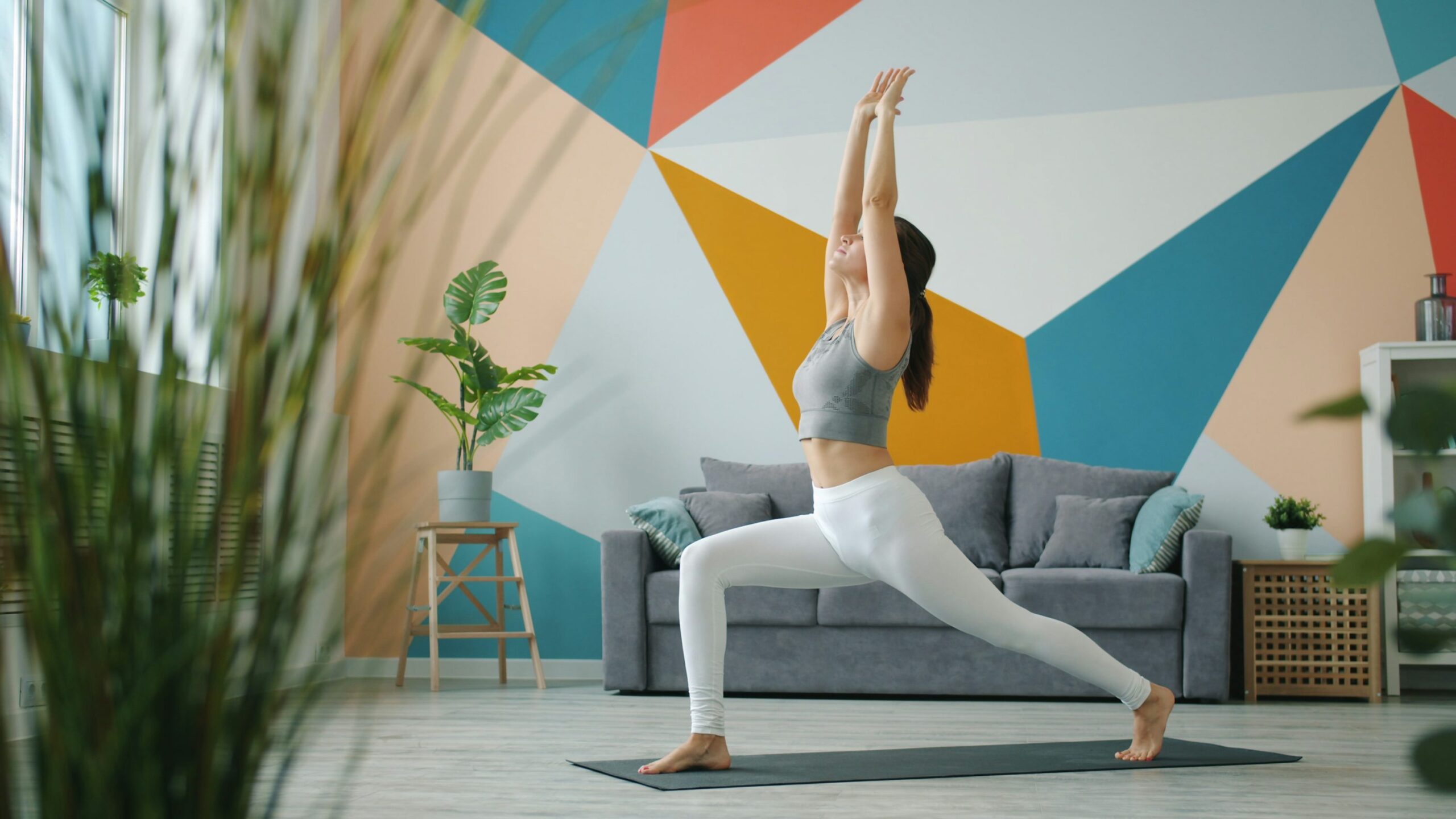
Photo by Vitaly Gariev on Unsplash.
Exercises to Avoid When You Have Cramps
While movement is beneficial, not all workouts are ideal when your body is already under hormonal stress. Avoid high-intensity or high-impact activities that can elevate stress levels, increase inflammation, or worsen fatigue.
- High-Intensity Interval Training (HIIT): These workouts spike cortisol, which can actually make cramps worse and leave you more exhausted.
- Heavy lifting: When your energy is low and your body is inflamed, heavy strength work can strain your lower back and core.
- Hot yoga or excessive heat-based workouts: While heat can feel comforting at first, extreme temperatures may cause dizziness or dehydration, especially during heavier flow days.
The takeaway? Don’t push through pain or exhaustion for the sake of “staying on track.” Honor your body’s cues. Your fitness journey won’t fall apart because you chose a slower pace for a few days.
When Cramps Are More Than "Normal" — Talk to Your OB/GYN
Gentle movement helps a lot of period pain, but it isn’t a substitute for medical evaluation when cramps cross a line. Cramps that don’t meaningfully improve after 3 to 6 months of NSAIDs or hormonal treatment are worth a closer look, since that’s the point where ACOG recommends investigating underlying causes like endometriosis.
Talk to your OB/GYN if any of the following apply to you.
- Your pain is progressively worsening year over year, or it started more than 3 years after your first period. Research comparing over 1,000 women found both patterns raise the odds of an eventual endometriosis diagnosis
- You’re soaking through a pad or tampon every hour for several hours, needing to double up on protection, passing clots larger than a quarter, or bleeding for more than 7 days. ACOG considers these signs of heavy menstrual bleeding that deserve evaluation
- You have pain during sex, or pain with bowel movements or urination during your period
- You have pelvic pressure, fullness, or back pain alongside your cramps, which can point toward uterine fibroids
- Your cramps are severe enough to stop your normal activities, or they last more than 3 days
- You have fever, chills, or unusual, foul-smelling discharge
None of this means something is automatically wrong. It means these are the specific signals your OB/GYN needs to hear, sis, so the plan for your pain becomes measurement-based movement and medication, not guesswork.
Supporting Your Body Before and After Exercise
To get the most benefit from exercising during your period, take care of your body on both sides of your workout.
- Hydrate generously: Your body loses fluids and electrolytes during menstruation, which can contribute to cramps and fatigue. Drink plenty of water before and after exercise, and consider adding electrolytes if your flow is heavy.
- Nourish with intention: Iron levels can drop during menstruation, so focus on iron-rich foods as part of a period-friendly diet, like spinach, beans, lentils, and lean meats. Pair these with vitamin C (like oranges or bell peppers) to boost absorption. Magnesium-rich foods such as nuts, seeds, and dark chocolate can also help relax muscles.
- Rest when needed: Rest is part of movement. If your body is begging for a slower day, listen to it. Sometimes, a gentle stretch or a nap is your workout, and that’s perfectly okay.
When it comes to period cramps and exercise, movement isn’t your enemy. It’s your secret weapon. Gentle exercise eases pain, releases natural painkillers, and gives you a sense of control over your body during a time that can feel unpredictable.
The key is to choose movement that meets you where you are. Some days that’s a power walk, other days it’s a few stretches on your mat while sipping tea. Either way, you’re doing something powerful: supporting your body instead of fighting against it.
So next time your cycle rolls around, skip the guilt and move with kindness. Your cramps may not vanish instantly, but your body will thank you, both now and with every smoother, more balanced period ahead. And if your cramps consistently feel unmanageable no matter what you try, the Ultimate Hormone Assessment can help you figure out what’s actually going on.
Frequently Asked Questions
Is it normal for exercise to make period cramps worse instead of better?
It shouldn’t. Gentle movement like walking, yoga, or swimming is meant to ease cramps, not intensify them. If exercise consistently makes your pain worse, stop and talk to your OB/GYN rather than pushing through, since that pattern can point to something beyond typical dysmenorrhea.
How soon after my period starts can I exercise?
There’s no required waiting period. Many women find gentle movement helpful from day one, when cramps are often at their worst. Let your energy and pain level guide the intensity, not the calendar.
What if gentle exercise doesn't help my cramps at all?
That’s useful information, not a failure. A 2019 Cochrane review found exercise helps many women, but not everyone responds the same way. If gentle movement plus NSAIDs still isn’t controlling your pain after a few cycles, talk to your OB/GYN about other options rather than assuming you’re just not doing it right.
Can exercise help prevent cramps in future cycles, not just during my period?
Some research suggests regular movement throughout your cycle, not just during your period, may reduce cramp severity over time, though the evidence behind this is still considered low quality. Consistency across the month is likely more helpful than only exercising when you’re already in pain.
Is it safe to exercise on a heavy flow day?
Usually, yes, with gentle options like walking or swimming, which many women find comfortable even on heavier days. But if you’re soaking through protection hourly or feel lightheaded, that’s heavy bleeding worth mentioning to your OB/GYN, not just a reason to skip a workout.
Take the Free Lifestyle Assessment
Answer a few quick questions, then reserve your free consultation with Doctor P.
Explore My Programs
From quick resets to hands-on support, here's everything I offer to help you feel like yourself again.
Program
The Madame Estrogen Mastermind
Access a comprehensive solution to say goodbye to your hormonal imbalance!
The Hormone Wellness Network
Embody hormone harmony. Unleash your inner wonder woman — masterclasses, accountability, sisterhood, access to me, and more!