

WOMEN'S HEALTH
Does Shaving Pubic Hair Reduce Odor? Fact or Fiction
August 25, 2025
Quick Answer
Shaving pubic hair can reduce odor somewhat, because it cuts down the surface area where sweat and bacteria collect. Hair itself does not cause the smell, bacteria breaking down sweat does, so shaving alone will not fix odor that comes from hygiene habits, irritation, or an underlying infection.
Key Takeaways
- Odor comes from bacteria breaking down sweat, not from hair itself.
- Shaving can reduce odor somewhat by shrinking the surface area bacteria cling to.
- Shaving can also backfire. Irritation and ingrown hairs can trap more sweat and bacteria against your skin.
- Trimming offers a middle ground, less surface area for bacteria without the irritation risk of a close shave.
- Persistent odor despite good hygiene is a reason to see your OB/GYN, not a hair problem.
As an OB/GYN, I get this question in clinic often. Whether you shave, trim, or let your hair grow is entirely personal preference, and there is no medical requirement either way. But when it comes to odor specifically, the relationship between pubic hair and smell is not what most people assume.
The Purpose of Pubic Hair
Pubic hair serves a real function. It reduces friction during sex, cushions sensitive skin from irritation, and helps keep bacteria and irritants from reaching your skin as easily. Armpit hair works the same way, acting as a buffer for sensitive skin.
The Real Reason Pubic Hair Affects Odor
The apocrine glands in your genital area, not the hair itself, are the actual source of odor. These glands sit in the same skin as your pubic hair follicles and release a thick, oily type of sweat when you are stressed, hot, or physically active.
That sweat has almost no smell on its own. The odor develops when bacteria that live naturally on your skin break it down into smaller compounds, a process dermatologists call bacterial fermentation. That breakdown is what produces the odor you notice by the end of the day.
Hair plays a supporting role. It gives bacteria more surface area to cling to and traps moisture, sweat, and discharge against your skin for longer. Removing the hair reduces that surface area, which is why shaving can reduce odor somewhat. It does not remove the glands or the bacteria, so it will not eliminate odor completely.
Pubic Hair and Odor
Several things contribute to odor in the pubic area, including sweat, vaginal discharge, dead skin cells, and moisture trapped by tight clothing. Hair is not usually the main cause. It just makes existing odor more noticeable by holding bacteria and moisture closer to your skin.
- Sweat glands and excess sweating
- Vaginal discharge or an underlying infection
- Dead skin cells and normal skin bacteria
If you choose to shave, use a clean, sharp razor and moisturize afterward. A dull razor or shaving against the grain raises your risk of razor burn, bumps, and ingrown hairs, and irritated skin can trap more sweat and bacteria than intact skin does, working against the odor reduction you were going for.
If you prefer to keep your hair, trimming it shorter offers a middle ground. It reduces the surface area available to bacteria without the irritation risk that comes with a close shave.
Photo by Jaycee300s on Pexels.
Pubic Hair Removal Methods
There are several ways to remove or manage pubic hair, and each comes with different odor and skin tradeoffs.
| Method | What this article notes |
|---|---|
| Shaving | Closest result; higher risk of razor burn, bumps, and ingrown hairs. |
| Trimming | Shortens hair without cutting at skin level; lower irritation risk than shaving. |
| Depilatory cream | Can irritate sensitive genital skin; the article advises a patch test on the inner arm first. |
| Waxing | Longer-lasting smoothness; can be painful and may lead to inflamed hair follicles. |
| Laser | Longer-term results take multiple sessions; effectiveness varies by skin tone and hair color. |
- Shaving. The most common method, and it gives the closest result. It also carries the highest risk of razor burn, bumps, and ingrown hairs, especially against the grain or with a dull blade.
- Trimming. An electric trimmer shortens hair without cutting at skin level. Lower irritation risk than shaving, while still reducing the surface area bacteria can cling to.
- Depilatory creams. These dissolve hair chemically. They can irritate sensitive genital skin, so patch test on your inner arm first.
- Waxing. Removes hair from the root for longer-lasting smoothness. It can be painful and sometimes leads to inflamed hair follicles, called folliculitis.
- Laser hair removal. Offers longer-term results but takes multiple sessions and is not equally effective on every skin tone or hair color. Talk to your provider before you start.
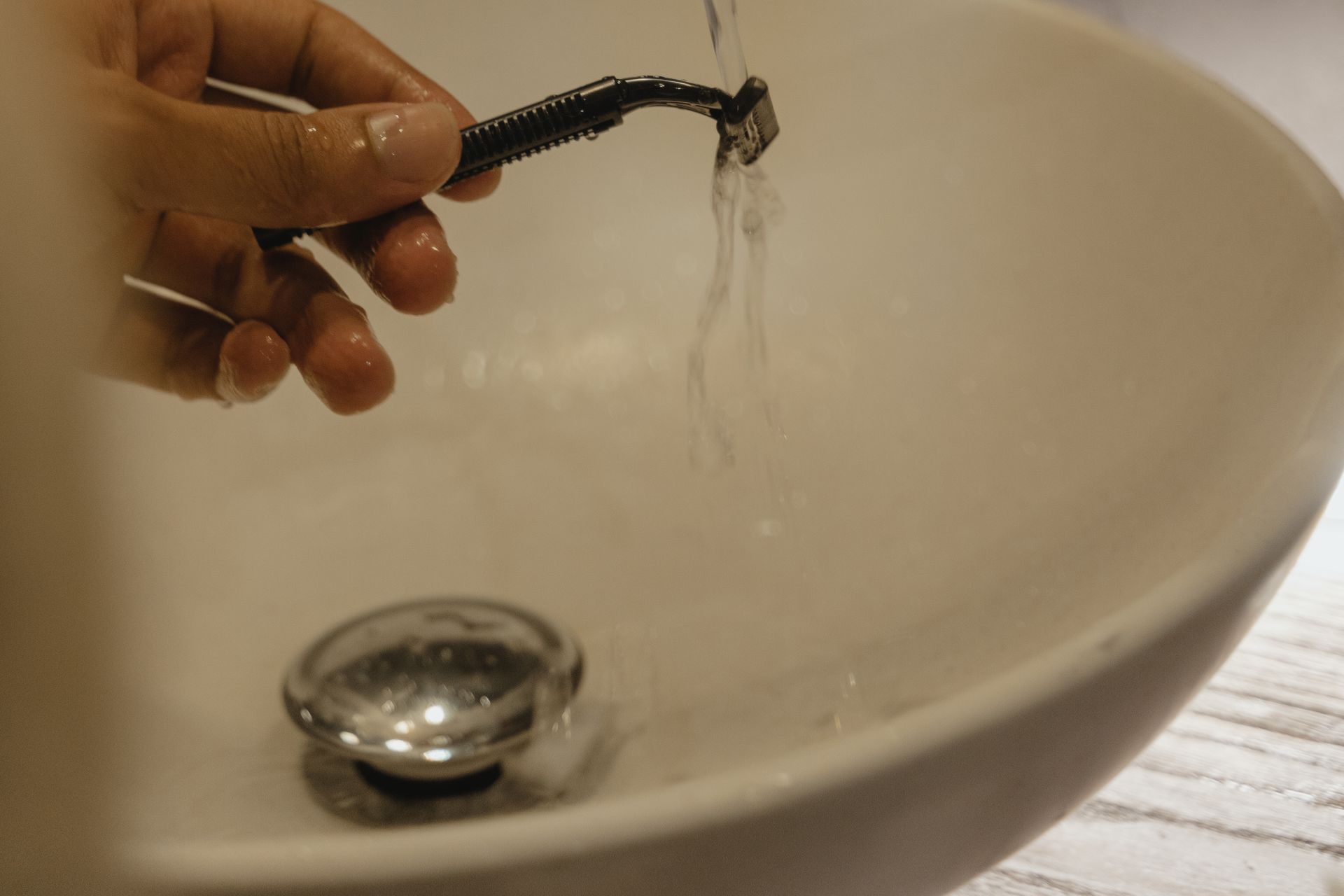
Photo by Tima Miroshnichenko on Pexels.
Managing Odor Naturally
Whether you shave or not, good hygiene does most of the work for keeping the pubic area fresh. For more on what else can cause odor beyond hair, see this guide to getting rid of vaginal odor.
- Clean regularly. Use warm water and a mild, fragrance-free soap on the outer skin daily. Harsh or scented soaps can disrupt your skin’s natural balance.
- Stay dry. Moisture feeds odor-causing bacteria, so pat the area dry with a clean towel after showering or sweating.
- Wear breathable fabrics. Cotton underwear allows airflow and reduces sweat buildup. Avoid wearing pads or liners longer than needed.
- Support your gut and skin from the inside. A balanced diet, good hydration, and probiotic-rich foods all support a healthy bacterial balance.
- Avoid tight clothing. Tight fabric traps heat and sweat against your skin, which gives bacteria more to work with.
- Skip douching. Douching does not clean the vagina. It disrupts your natural bacterial balance and can raise your risk of infections that cause odor, not lower it. Water on the vulva is all you need.
When to Seek Medical Attention
Good hygiene should keep odor mild and manageable. If it does not, that is a sign to see your OB/GYN, not a reason to change your hair routine. I want you to know these specific signs to watch for.
- A strong, fishy odor, especially after sex, paired with thin gray or white discharge (possible bacterial vaginosis)
- Thick, white, cottage cheese-like discharge with itching or burning (possible yeast infection)
- Odor that has not improved after one to two weeks of gentle, consistent hygiene
- Odor along with pelvic pain, fever, or unusual bleeding
- Any new odor that shows up after unprotected sex or a new partner
None of these are hair related. They point to an infection or imbalance that needs treatment, not a different razor.
So is it fact or fiction? Partly fact. Shaving can reduce odor a little by shrinking the surface area bacteria have to work with, but it is not a fix on its own, and it can backfire if it leads to irritation. In my practice, hygiene does the heavy lifting, not the razor. Choose whatever method feels right for your body, and let good hygiene carry the rest. This is one of many common vaginal care myths worth knowing.
Frequently Asked Questions
Can shaving pubic hair make odor worse instead of better?
Yes, this can happen. Razor burn, ingrown hairs, and small cuts create irritated skin that traps sweat and bacteria more than intact skin does. If you notice more odor after shaving, gentle hygiene and letting your skin heal usually resolves it within a few days.
Why does the smell seem stronger right after I shave?
Freshly shaved skin has less hair to absorb or diffuse sweat, so moisture sits closer to your skin. Combined with mild post-shave irritation, this can make odor briefly more noticeable. It typically settles once your skin calms down, usually within a day or two.
Is it normal to have some natural odor down there, even with good hygiene?
Yes. A mild, natural scent is normal and changes with your cycle, sweat, and activity level. What is not normal is a strong, fishy, or foul odor, especially with discharge or itching. That combination is worth a visit to your OB/GYN.
Take the Free Lifestyle Assessment
Answer a few quick questions, then reserve your free consultation with Doctor P.
Explore My Programs
From quick resets to hands-on support, here's everything I offer to help you feel like yourself again.
Program
The Madame Estrogen Mastermind
Access a comprehensive solution to say goodbye to your hormonal imbalance!
The Hormone Wellness Network
Embody hormone harmony. Unleash your inner wonder woman — masterclasses, accountability, sisterhood, access to me, and more!