

BLOOD PRESSURE • HIGH BLOOD PRESSURE
HOLISTIC HEALING: EXPLORING HOMEOPATHIC REMEDIES FOR HIGH BLOOD PRESSURE
Feb 09, 2024
Quick Answer
Some homeopathic remedies for high blood pressure, like hawthorn, have limited supporting evidence. Most classical remedies don’t. None of them are a substitute for your prescribed blood pressure medication or regular monitoring, and a reading of 180/120 mm Hg or higher is a medical emergency, not something to treat at home.
Key Takeaways
- Homeopathic remedies are not a substitute for prescribed blood pressure medication or regular monitoring.
- Most classical homeopathic remedies have little to no supporting clinical evidence, according to the NIH’s National Center for Complementary and Integrative Health (NCCIH).
- Hawthorn (Crataegus Oxyacantha) is the one exception on this list with real trial data behind it, but it can interact with blood pressure medications.
- A reading of 180/120 mm Hg or higher is a hypertensive crisis. Paired with chest pain, shortness of breath, vision changes, or trouble speaking, it’s a 911 emergency.
- Diet, exercise, stress management, and sleep have the strongest evidence for supporting healthy blood pressure long term.
High blood pressure, or hypertension, is a common health concern affecting millions worldwide. Forty-four percent of high blood pressure cases are women, and is a problem that can quickly lead to heart disease. It is often called the “silent killer” due to its subtle yet potentially severe impact on overall health. While conventional treatments exist, many individuals are turning to alternative approaches, such as homeopathic remedies for high blood pressure and for managing blood pressure levels. If you’re looking and exploring the idea of homeopathy, what to look for, some remedies, lifestyle changes, etc. You have found the right place, girlfriend.
Understanding High Blood Pressure
High blood pressure is more than just numbers on a medical chart. Yeah, I know you listen to the nurse read out the number and have no idea if it’s good or bad. Half the time, women do not even know what the two numbers stand for.
It’s a common health concern that affects many of us, often without us realizing it. So, let’s get down to the straightforward details of understanding high blood pressure and how it impacts our well-being.
What Is High Blood Pressure?
High blood pressure occurs when the force of blood against the walls of the arteries is consistently too high. This condition can lead to serious health issues, including heart disease, stroke, and kidney problems.
Blood Pressure Readings, Explained
Blood pressure is measured in millimeters of mercury (mm Hg) and is represented by two numbers: systolic pressure (the force when the heart beats) and diastolic pressure (the force when the heart rests between beats). Normal blood pressure typically falls around 120/80 mm Hg.
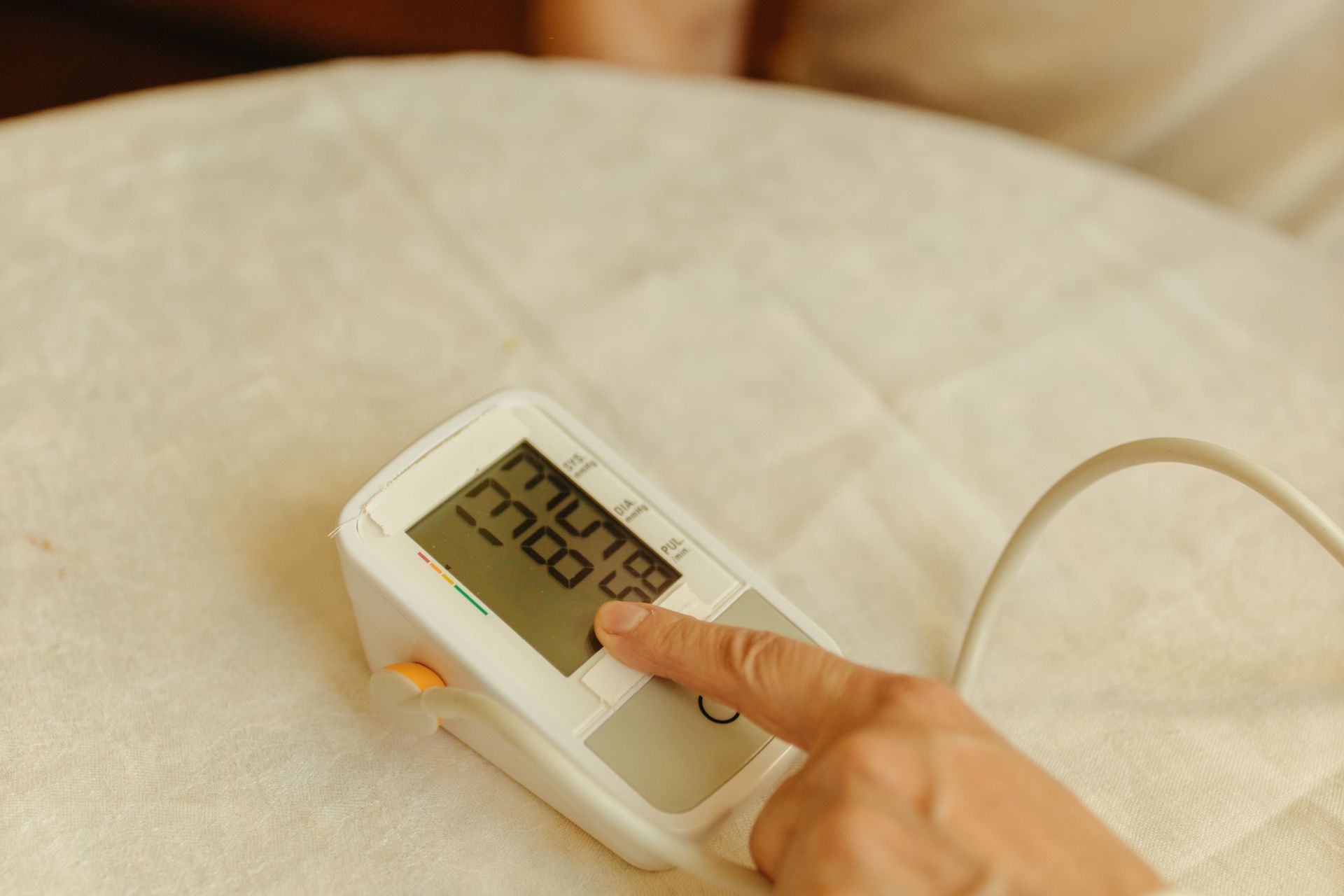
Photo by Yaroslav Shuraev on Pexels.
Risk Factors for High Blood Pressure
Several factors contribute to the development of high blood pressure, including a family history of hypertension, an unhealthy diet, excess salt intake, lack of exercise, an underlying thyroid condition, and emotional stress. Identifying these risk factors is crucial in adopting a holistic approach to managing blood pressure.
When to Seek Emergency Care
A blood pressure reading of 180/120 mm Hg or higher is a hypertensive crisis, according to the American Heart Association and Cleveland Clinic. What you do next depends on how you feel.
Call 911 immediately if your reading is 180/120 or higher and you also have any of these symptoms: chest pain, shortness of breath, back pain, numbness or weakness, a change in vision, or difficulty speaking. These can be signs of damage to your heart, brain, kidneys, or eyes happening in real time.
If your reading is 180/120 or higher with no other symptoms, it’s still not something to wait out or try to bring down with a homeopathic remedy. Contact your doctor or OB/GYN as soon as possible so they can guide your next step.
If you’re pregnant, a high reading paired with a severe headache, vision changes, upper abdominal pain, or sudden swelling can be a sign of preeclampsia, and needs to be evaluated right away, not managed at home first.

Photo by Gustavo Fring on Pexels.
Lifestyle Changes for Blood Pressure Management
Making a positive impact on your blood pressure isn’t always about drastic measures or complex routines. From the food on your plate to your activities, these practical steps align with a heart-healthy lifestyle and will make your life better in the long run, boo.
Healthy Diet: A well-balanced diet rich in fruits, vegetables, and whole grains, plus the right supplements, can contribute to maintaining normal blood pressure levels.
Regular Exercise: Engaging in regular physical activity helps in weight management and promotes overall heart health. This is important no matter your age and even if you’re pregnant.
Limit Alcohol Consumption: Excessive alcohol intake can raise blood pressure. Moderation is key for those concerned about their heart health. You can also abstain from alcohol as well.
Stress Management: Emotional stress can contribute to high blood pressure. Practices like meditation and yoga, plus learning to manage your stress hormone cortisol, can be beneficial in managing stress levels.
Adequate Sleep: Quality sleep is crucial for overall health. Addressing sleep apnea and ensuring proper rest can positively impact blood pressure.
This is all especially important when you’re pregnant, since high blood pressure can lead to preeclampsia (but not always).
Homeopathic Remedies for High Blood Pressure
Consider your current approach to health and wellness. Have you ever explored alternative methods? Homeopathic remedies might offer a unique path toward managing high blood pressure and fostering overall well-being.
Before You Try Any of These
Homeopathic remedies are not a substitute for the blood pressure medication your doctor has prescribed, or for regular blood pressure monitoring. Talk to your OB/GYN or primary care provider before adding any of the remedies below, especially if you’re already taking a blood pressure medication.
Homeopathic Remedies to Know
Here’s a quick look at how these remedies are traditionally used, and what to know about each one, before the details below.
| Remedy | Traditionally Used For | What to Know |
|---|---|---|
| Nux Vomica | High blood pressure linked to alcohol use and a sedentary lifestyle | Classical homeopathic remedy. No robust clinical trial evidence for blood pressure. |
| Crataegus Oxyacantha (Hawthorn) | General heart health support | The one remedy on this list with real trial evidence behind it. Can interact with blood pressure medications, so check with your doctor first. |
| Natrum Muriaticum | High blood pressure linked to emotional stress | Classical homeopathic remedy. No robust clinical trial evidence for blood pressure. |
| Baryta Mur | High blood pressure linked to kidney disease or family history | Classical homeopathic remedy. No robust clinical trial evidence for blood pressure. |
| Rauwolfia Serpentina (Indian Snakeroot) | High blood pressure, generally | The plant source of reserpine, a real blood pressure drug. Can interact with prescribed blood pressure medications. Talk to your doctor before use. |
| Aconitum Napellus | Sudden, intense symptoms like palpitations and a rapid heart rate | Classical homeopathic remedy. No robust clinical trial evidence for blood pressure. |
| Argentum Nitricum | High blood pressure with anxiety | Classical homeopathic remedy. No robust clinical trial evidence for blood pressure. |
Nux Vomica is often recommended for individuals with high blood pressure resulting from excess alcohol consumption and a sedentary lifestyle. It may also address symptoms like shortness of breath and congestive headaches.
Known for its positive effects on heart health, Crataegus Oxyacantha is a homeopathic remedy often indicated for cases of high blood pressure. It is believed to strengthen blood vessels and regulate blood flow.
For individuals with a history of high blood pressure aggravated by emotional stress, Natrum Muriaticum may be beneficial. It is thought to help in cases where emotional factors play a significant role.
Baryta Mur is recommended in cases where high blood pressure is linked to kidney disease. It may also be considered for those with a family history of hypertension.
Rauwolfia Serpentina, also known as Indian Snakeroot, has been studied for its potential to lower blood pressure. It is believed to act by dilating blood vessels and reducing the force of the heart’s contractions. This plant is the actual botanical source of reserpine, a real blood pressure medication (no longer sold in the US, though its history is well documented by the NIH). Because of that, tell your doctor before using it, especially if you’re already on a blood pressure medication.
Aconitum Napellus is often indicated for sudden and intense symptoms of high blood pressure, including strong palpitations and a rapid heart rate.
Argentum Nitricum is recommended for individuals with high blood pressure accompanied by anxiety and a sense of impending doom. It may also be considered for those with left-sided chest discomfort.
What the Evidence Actually Says
Although homeopathic remedies have a long history of use spanning centuries, the National Center for Complementary and Integrative Health (NCCIH), part of the NIH, is direct about this: “there’s little evidence to support homeopathy as an effective treatment for any specific health condition.” That applies to most of the remedies named above. Clinical trials on specific remedies are often lacking, and the mechanism of action remains a topic of real debate.
Hawthorn (Crataegus Oxyacantha) is the one exception worth calling out, and it’s worth being precise about why: it’s an herbal supplement, not a classical ultra-diluted homeopathic remedy, and it actually has trial data behind it. A 2025 meta-analysis of six randomized, placebo-controlled trials (428 participants total) found hawthorn significantly reduced systolic blood pressure by about 6.65 mm Hg over 2 to 6 months, with a diastolic reduction as well, though that second number didn’t reach statistical significance. Even so, hawthorn can interact with blood pressure medications, so it still needs a conversation with your doctor before you try it.
Consultation with a healthcare provider is essential, and any incorporation of homeopathic treatment should be part of a comprehensive health plan you build with your OB/GYN or primary care provider, not instead of one.
When looking into homeopathic remedies for high blood pressure, it’s important to acknowledge that individual responses can differ, and that the evidence for most of these remedies is thin. Maintaining overall cardiovascular health involves essential lifestyle changes, such as adopting a healthy diet and incorporating regular exercise. Homeopathic remedies, where you and your doctor decide they’re appropriate, are one small piece within a larger strategy for managing blood pressure, never the whole plan.
Frequently Asked Questions
Can homeopathic remedies replace my blood pressure medication?
No. Homeopathic remedies are not a substitute for the blood pressure medication your doctor has prescribed. The NIH’s National Center for Complementary and Integrative Health (NCCIH) states there’s little evidence to support homeopathy as an effective treatment for any specific health condition. If you’re on prescribed blood pressure medication, keep taking it and keep up with regular monitoring, even if you’re also exploring homeopathic remedies alongside it.
Is it safe to take homeopathic remedies with prescription blood pressure medication?
Not automatically. Some of these remedies can interact with prescribed blood pressure medication. Hawthorn (Crataegus Oxyacantha) and Rauwolfia Serpentina, the botanical source of the blood pressure drug reserpine, are the two on this list worth flagging specifically. Tell your doctor or OB/GYN about any homeopathic remedy you’re taking or considering, especially if you’re already on a blood pressure medication, so they can check for interactions.
How long does it take to see results from homeopathic remedies for blood pressure?
There’s no reliable timeline to promise, and that’s worth being honest about. For most classical homeopathic remedies, rigorous clinical evidence is limited, so a specific “results in X weeks” claim isn’t something we can back up. Hawthorn is the exception with real trial data, showing a measurable drop in systolic blood pressure over 2 to 6 months in one 2025 meta-analysis. Any remedy you try, give it time alongside your prescribed treatment and regular blood pressure checks, not instead of them.
What is a hypertensive crisis?
A hypertensive crisis is a blood pressure reading of 180/120 mm Hg or higher, according to the American Heart Association and Cleveland Clinic. If that reading comes with chest pain, shortness of breath, back pain, numbness or weakness, a change in vision, or difficulty speaking, call 911 immediately. Without those symptoms, it’s still not something to self-treat, contact your doctor as soon as possible.
Is Rauwolfia serpentina safe to take?
It’s worth a conversation with your doctor first. Rauwolfia Serpentina, also known as Indian Snakeroot, is the actual botanical source of reserpine, a real blood pressure medication (its clinical history is documented by the NIH, though it’s no longer sold in the US). Because it comes from the same plant as a real antihypertensive drug, it can affect blood pressure medications you’re already taking. Tell your doctor before you use it, especially if you’re on a prescribed blood pressure medication.
Take the Free Lifestyle Assessment
Answer a few quick questions, then reserve your free consultation with Doctor P.
Explore My Programs
From quick resets to hands-on support, here's everything I offer to help you feel like yourself again.
Program
The Madame Estrogen Mastermind
Access a comprehensive solution to say goodbye to your hormonal imbalance!
The Hormone Wellness Network
Embody hormone harmony. Unleash your inner wonder woman — masterclasses, accountability, sisterhood, access to me, and more!