

Signs of Hormonal Imbalance
High blood pressure after giving birth often traces back to the placenta. An OB/GYN explains the causes, warning signs and when to get help.
What Causes High Blood Pressure After Giving Birth?
November 10, 2026
A headache you blame on three hours of sleep. A number on the cuff that is higher than the one you saw at the hospital. A nurse on the phone who asks you to come in today. Nothing about this feels like the postpartum you prepared for, and now you are wondering what caused it and whether you did something wrong.
Take a breath, sis. This is not your fault, and it is more common than anyone tells you. Let me walk you through what causes high blood pressure after giving birth, the signs I want you to know, and what happens next.
Quick answer: High blood pressure after giving birth is linked to the placenta. Once it is delivered, your uterus keeps healing for about six weeks, and new high blood pressure or preeclampsia can start at any point in that window. Warning signs include a headache that will not go away, vision changes, chest pain and pain under your right breast. Call your doctor right away if you notice them.
I'm a board-certified OB/GYN, and in this video I walk through what causes high blood pressure after birth, the signs to know, and how it is treated.
Why Your Blood Pressure Can Rise After Birth
Your blood pressure does not have to be high during pregnancy to rise afterward. Here is what is happening and why the weeks after delivery matter so much.
Pregnancy-induced hypertension is new high blood pressure.
Pregnancy-induced hypertension, or PIH, is the medical term for blood pressure that becomes high for the first time in pregnancy. We give the diagnosis after 20 weeks and at any point in the postpartum period.
You cannot reliably feel it, because blood pressure moves all day without announcing itself. That is why I want you to know the signs before you need them.
The placenta is the problem, and healing takes weeks.
We are still working out exactly what causes preeclampsia, but the placenta is the main suspect. The placenta leaves your body at delivery, yet your uterus is still healing from its connection to it.
Your uterus keeps healing for about six weeks after birth, and you can have new high blood pressure or preeclampsia at any point in that window. Blood pressure often peaks around days three to six after delivery, which is often after you are already home.
Some people only have high blood pressure in pregnancy.
Some people have high numbers only during pregnancy and normal ones in between. Others have chronic hypertension, a diagnosis they carried before pregnancy, and their numbers can climb even higher once they are pregnant.
If every visit was normal and then your readings start to rise, that can mean something more serious is beginning inside your body. Tell your doctor about the change.
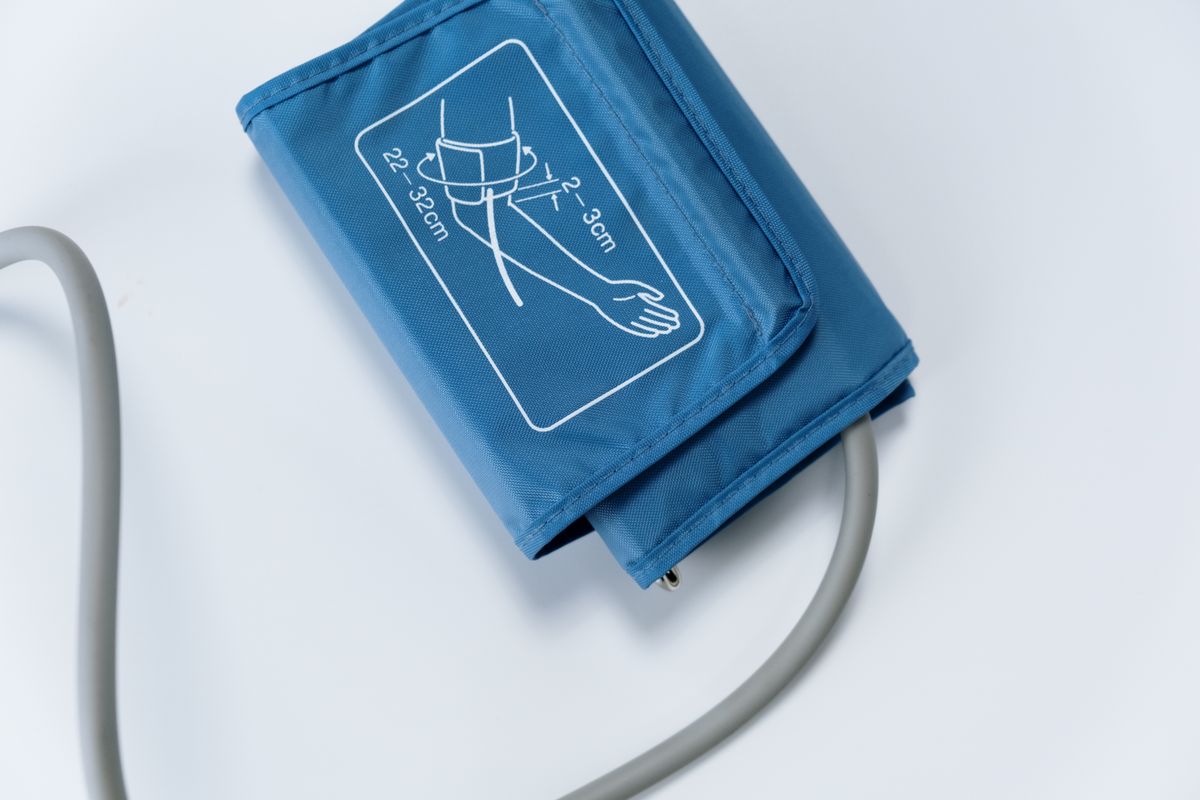
Photo by cottonbro studio on Pexels
When It Becomes Preeclampsia
High blood pressure on its own is one thing. High blood pressure that starts to affect your organs is another, and that is where I pay closer attention.
Preeclampsia means your organs are affected.
When high blood pressure starts to affect your brain, lungs, kidneys or liver, it can progress to preeclampsia. It is a dangerous diagnosis. It can begin in the second half of pregnancy and at any point after birth.
To see how your blood pressure is tracked before delivery, read our guide to healthy pregnancy and prenatal care.
The signs I want you to know.
Four things tell me something may be going on inside your body.
- A headache that will not go away.
- New vision changes, such as blurry vision or spots in your eyes.
- Chest pain.
- Pain right below your right breast.
The CDC lists these and more as urgent maternal warning signs up to a year after birth.
Swelling and protein in the urine.
Swelling is normal in pregnancy, but it stays in your feet and lower legs. With preeclampsia, swelling can show up anywhere, including your hands and face.
Your doctor may also find a lot of protein in your urine, either from a small sample at the office or from collecting all of your urine for 24 hours. That count helps show how severe it is.
Eclampsia and Why Treatment Cannot Wait
Preeclampsia is treatable when it is caught, so the goal is to catch it early.
Eclampsia is preeclampsia that causes seizures.
Think of preeclampsia as the stage before eclampsia. If treatment does not start right away, eclampsia can follow, and with it come seizures and a risk of stroke.
This is very dangerous. It is the reason a symptom that feels small deserves a call the same day.
Photo by Negative Space on Pexels
Treatment starts with monitoring.
Treatment starts with monitoring. High blood pressure is a reading of 140/90 or higher. A reading of 160/110 or higher is in the severe range and needs urgent care, even if you feel fine.
If you have preeclampsia, you may be given blood pressure medicine to bring your numbers down, because pressure that stays too high can cause a stroke.
Magnesium protects your brain.
You may also be given magnesium to help protect your brain from seizures, and other medicines to steady your body. If you do have seizures, you may be given seizure medicine too.
If you are breastfeeding, ask which medicine is compatible with feeding your baby.
How Long It Lasts and What Comes Next
The weeks after birth are the highest-risk window, and the news after that is mostly good.
Most people are past the risk after six weeks.
Most people are past the added risk once the six weeks are over. That is why your postpartum blood pressure checks and symptom awareness matter most inside that window.
Keep the appointments, even when you are exhausted and the baby has taken every free minute.
It can come back later, and it matters for your heart.
Preeclampsia can come back in a later pregnancy. Having had it also raises your risk of heart disease and high blood pressure later in life, so tell your primary care doctor and keep up your yearly check-ups.
A large review found that preeclampsia roughly doubles lifetime cardiovascular risk. If you are planning another baby, start with how soon you can get pregnant after giving birth.

Photo by Angela Roma on Pexels
What To Do and When To Get Help
You know your body better than anyone, and that knowledge is part of your care.
Speak up and keep your visits.
Pay attention to your symptoms and say them out loud. Be timely, follow your care team’s recommendations and keep every postpartum visit.
Recovery has more than one timeline, and our guide to how long after giving birth you can have sex covers the rest of it.
When to call or go to the ER.
Call your doctor or go to the ER right away if you have a headache that will not go away, new vision changes such as blurry vision or spots, chest pain, pain under your right breast or in the upper right belly, trouble breathing, or a seizure. Do not wait for your next appointment, and tell them you gave birth recently.
Once you are through the six weeks and your blood pressure has settled, the rest of your hormone picture still deserves attention. I created the Ultimate Hormone Assessment to help you see how your hormones may be contributing to how you feel.
Frequently Asked Questions
What causes high blood pressure after giving birth?
The placenta is the main suspect, although we are still working out exactly why. Once it is delivered, your uterus is still healing from its connection to the placenta, so new high blood pressure or preeclampsia can still start. Some people also already had chronic high blood pressure before pregnancy.
How long after giving birth can you get preeclampsia?
Your uterus keeps healing for about six weeks after birth, and new high blood pressure or preeclampsia can start at any point in that window. Blood pressure often peaks around days three to six after delivery. Most people are past the added risk once the six weeks are over.
What are the warning signs of postpartum preeclampsia?
A headache that will not go away, new vision changes such as blurry vision or spots, chest pain, and pain under your right breast. Swelling in your hands or face can also show up. Call your doctor or go to the ER right away if you notice them.
Is high blood pressure after pregnancy dangerous?
It can be. Untreated, it can progress to preeclampsia and then to eclampsia, which brings seizures and a risk of stroke. The good news is that it is treatable when it is caught early, which is why monitoring and speaking up matter so much.
Can preeclampsia happen again in a later pregnancy?
Yes, it can come back in a later pregnancy. Having had it also raises your risk of heart disease and high blood pressure later in life, so tell your primary care doctor and keep up your yearly check-ups. Bring it up early in your next prenatal care.
This content is for educational purposes only. It is not diagnostic and is not a substitute for personalized medical advice from your provider.
Related Content
Take the Free Lifestyle Assessment
Understand your hormonal imbalance type
Answer a few quick questions, then reserve your free consultation with Doctor P.
Explore My Programs
From quick resets to hands-on support, here's everything I offer to help you feel like yourself again.
Program
The Madame Estrogen Mastermind
Access a comprehensive solution to say goodbye to your hormonal imbalance!
The Hormone Wellness Network
Embody hormone harmony. Unleash your inner wonder woman — masterclasses, accountability, sisterhood, access to me, and more!