

PREGNANCY
Gestational diabetes can be challenging. But these nutritious meal ideas for gestational diabetes will make it easier.
DELICIOUS AND NUTRITIOUS MEAL IDEAS FOR GESTATIONAL DIABETES
May 24, 2024
Quick Answer
Meal ideas for gestational diabetes include eggs with whole grain toast, plain Greek yogurt with berries, chicken and vegetable wraps, and salmon with sweet potato and broccoli. Pair carbohydrate foods with protein and fiber, then use your prescribed portions and glucose checks to find meals that fit your pregnancy care plan.
Key Takeaways
- Choose portions with your dietitian instead of following a one-size-fits-all menu.
- Check fasting and post-meal glucose at the times your care team recommends.
- Food choices support treatment. Keep your prenatal visits and take medication if prescribed.
If you have recently been diagnosed with gestational diabetes, figuring out what to eat can feel like a puzzle. I want you to have practical options you can bring to your care team. Start with familiar foods, then adjust them together.
Understanding Gestational Diabetes
Gestational diabetes means high blood sugar that first develops during pregnancy. Pregnancy hormones can make insulin, the hormone that moves sugar into your cells, less effective. If your body cannot make enough extra insulin, your blood sugar rises.
The American College of Obstetricians and Gynecologists (ACOG) explains that managing gestational diabetes lowers risks for you and your baby. Your prenatal care visits are where you and your OB/GYN review that plan.
Spotting Gestational Diabetes
Gestational diabetes screening usually happens between 24 and 28 weeks of pregnancy. Your OB/GYN may test earlier based on your medical history, as outlined in the ACOG guidance above. Screening and any follow-up testing help your team decide whether you need treatment.
If you are receiving care for a high-risk pregnancy, ask which tests belong in your individual schedule. Home glucose targets are for monitoring after diagnosis, not for diagnosing yourself.
Treatment of Gestational Diabetes
Gestational diabetes treatment combines an individualized eating plan, blood sugar monitoring, and pregnancy-appropriate activity. Some people also need insulin. Your readings help your care team decide whether the plan needs adjusting.
The National Institute of Diabetes and Digestive and Kidney Diseases (NIDDK) advises working with your team on what, how much, and when to eat. Keep a record of your meals and glucose results to bring to appointments.
Safe exercise during pregnancy can support blood sugar management. Your OB/GYN can guide your activity choices. If your readings keep exceeding your prescribed targets, contact your diabetes care team for an adjustment. Ask them in advance which readings require an immediate call.
Blood sugar targets to discuss with your OB/GYN
Common pregnancy glucose goals are fasting below 95 mg/dL, below 140 mg/dL one hour after eating, or below 120 mg/dL two hours after eating. Follow the targets and testing schedule your own OB/GYN gives you.
- Fasting means your morning check before breakfast, after your overnight fast. The usual goal is below 95 mg/dL.
- One hour after eating has a usual goal below 140 mg/dL.
- Two hours after eating has a usual goal below 120 mg/dL.
These are ACOG’s published pregnancy blood sugar goals. Confirm whether your team wants the one-hour or two-hour check and when to start the timer. You do not automatically need both. These numbers are treatment goals, not emergency cutoffs or glucose-tolerance-test thresholds.
Crafting Your Gestational Diabetes Diet: Meal Ideas For Gestational Diabetes
A practical gestational diabetes meal combines vegetables, protein, and a portion of carbohydrate that fits your care plan. Whole grains, beans, fruit, milk, and yogurt still contribute carbohydrate, even when they are nutritious choices.
The CDC’s diabetes meal-planning guidance explains that protein, fat, or fiber eaten with carbohydrates slows how quickly blood sugar rises. Its plate method uses half a plate of nonstarchy vegetables, a quarter protein, and a quarter carbohydrate foods. Ask your dietitian to adapt that general guide to your pregnancy needs.
Use the ideas below as options, not a prescribed daily menu. Choose portions together and check food labels for total carbohydrate. My guide to healthy foods that can raise blood sugar offers more context on why a healthy label does not replace portion planning.
For all these meals, use pasteurized dairy, wash produce, and cook eggs, meat, and seafood thoroughly. Heat deli turkey until steaming hot before using it in a wrap. These choices follow CDC pregnancy food-safety guidance.
Breakfast Ideas For Gestational Diabetes
Breakfast ideas for gestational diabetes include eggs with whole grain toast or plain Greek yogurt with berries and nuts. Use the portions in your meal plan and check your post-breakfast reading as directed.
- Scrambled eggs with sautéed spinach and whole grain toast
- Plain Greek yogurt topped with mixed berries and a sprinkle of chopped nuts
- Plain oatmeal made with unsweetened almond milk, topped with sliced berries and chopped nuts
- Veggie omelet with mushrooms, bell peppers, and a side of avocado
- Whole grain waffles topped with Greek yogurt and fresh fruit

Photo by Sarah Pflug on Burst
Gestational Diabetes Lunch Ideas
For lunch with gestational diabetes, try a chicken wrap, lentil soup, or a tofu and vegetable bowl. Count the carbohydrate foods together when combining bread, beans, or rice in the same meal.
- Grilled chicken salad with mixed greens, cherry tomatoes, and balsamic vinaigrette
- Quinoa salad with chickpeas, cucumber, cherry tomatoes, and pasteurized feta cheese
- Freshly cooked turkey and avocado wrap with whole wheat tortilla and plenty of veggies
- Lentil soup with a side of whole grain bread and a green salad
- Veggie-packed stir-fry with tofu, broccoli, bell peppers, and snap peas served over brown rice
Gestational Diabetes Snack Ideas
Gestational diabetes snack options include vegetables with a dip, nuts, or a hard-boiled egg. Follow your care team’s snack schedule and portions rather than automatically adding three snacks every day. See the ACOG meal-timing guidance above.
- Sliced cucumber with tzatziki sauce
- Carrot sticks with guacamole
- Cherry tomatoes with pasteurized mozzarella cheese
- Edamame pods sprinkled with sea salt
- Brown rice cakes with avocado mash and cherry tomatoes
- Mixed nuts
- Hard-boiled eggs
- Homemade chicken salad on a lettuce wrap
Dinner Ideas for Gestational Diabetes
Dinner ideas for gestational diabetes include cooked salmon with vegetables and sweet potato, turkey meatballs with pasta, or chicken with wild rice. Adjust the starch portion to your plan rather than assuming whole grain means unlimited.
- Baked salmon with roasted sweet potatoes and steamed broccoli
- Turkey meatballs with whole wheat pasta and marinara sauce
- Grilled shrimp skewers with quinoa and grilled zucchini
- Stir-fried tofu with bok choy, carrots, and snow peas over cauliflower rice
- Baked chicken breast with roasted Brussels sprouts and wild rice pilaf
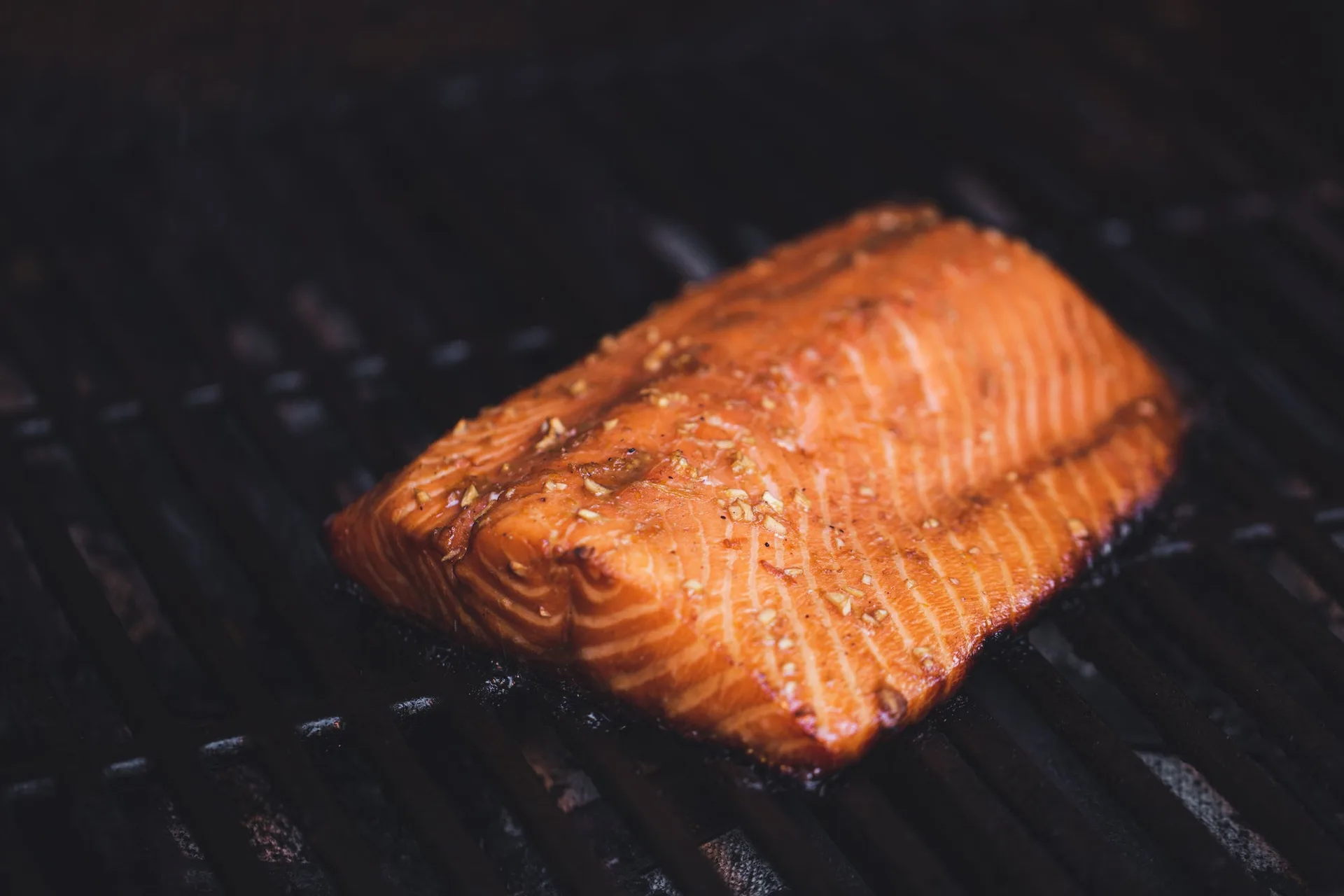
Photo by Matthew Henry on Burst
Gestational Diabetes Bedtime Snack Ideas
A bedtime snack can be part of your gestational diabetes eating plan if your care team recommends it. Match the food and portion to your overnight plan, then share your fasting readings with your team. See the individualized meal and snack guidance above.
- Green apple slices with almond butter
- Plain Greek yogurt with a sprinkle of granola
- Pasteurized cottage cheese with berries
- Whole grain crackers with hummus
- Handful of mixed nuts and seeds
Frequently Asked Questions
Can I skip a meal to bring my blood sugar down?
Keep to your prescribed meal schedule instead of skipping food to correct a reading. Skipping meals can contribute to low blood sugar, especially when you use insulin. Follow your team’s instructions for out-of-range readings and review the ACOG pregnancy diabetes guidance above.
How many grams of carbohydrate should I eat with gestational diabetes?
Your care team should set your carbohydrate amounts for meals and snacks. A recipe list cannot prescribe that number for your pregnancy. Ask your dietitian to translate your needs into portions of foods you already enjoy, using the CDC meal-planning guidance above as a starting point.
Do I still need diabetes follow-up after my baby is born?
Yes. The CDC recommends diabetes testing after gestational diabetes at 4 to 12 weeks after delivery, then every 1 to 3 years even if results return to normal. Ask your care team how to adjust your food, monitoring, and medication plan after birth.
I want you to feel supported as you figure this out. Bring your food questions and glucose log to your next visit. Your plan can change as your pregnancy changes, and your care team is there to help you adjust.
Take the Free Lifestyle Assessment
Answer a few quick questions, then reserve your free consultation with Doctor P.
Explore My Programs
From quick resets to hands-on support, here's everything I offer to help you feel like yourself again.
Program
The Madame Estrogen Mastermind
Access a comprehensive solution to say goodbye to your hormonal imbalance!
The Hormone Wellness Network
Embody hormone harmony. Unleash your inner wonder woman — masterclasses, accountability, sisterhood, access to me, and more!