

HEALTH & LIFESTYLE
HOW TO GET RID OF HORMONAL BELLY NATURALLY
Apr 29, 2023
Quick Answer
“Hormonal belly” is not a medical diagnosis. Hormones can influence where your body stores fat, especially during menopause or with conditions such as PCOS, but abdominal size has many possible influences. No food, detox, supplement, or exercise can remove fat from your belly alone. Sustainable eating, movement, sleep, and medical care when symptoms point to a health condition are the safest starting points.
Key Takeaways
- “Hormonal belly” is an informal phrase, not a diagnosis you can make from body shape.
- Your abdomen may reflect subcutaneous fat, deeper visceral fat, bloating, fluid shifts, or more than one factor.
- Menopause and some health conditions can affect fat distribution, but hormones are not the only influence.
- You cannot target fat loss from one body area. Whole-body habits support health whether or not your waist changes quickly.
- New abdominal changes plus menstrual, skin, hair, digestive, or muscle symptoms deserve a clinician’s evaluation.
When your midsection changes even though your routine feels familiar, it is easy to assume your hormones are working against you. Take a breath. The phrase “hormonal belly” can describe a real concern, but it does not identify the cause. I want you to have a clearer way to separate marketing claims from what your body may actually need.
What “Hormonal Belly” Really Means
“Hormonal belly” is a popular label for abdominal weight or fullness that someone suspects is related to hormones. It is not a formal diagnosis, and appearance alone cannot tell you whether a hormone condition is present.
Belly fat includes subcutaneous fat, the layer you can pinch under your skin, and visceral fat, fat stored deeper around your organs. Visceral fat carries greater metabolic risk. Mayo Clinic explains that age, genetics, activity, and lower estrogen after menopause can all affect abdominal fat and where your body stores it.
Bloating is different. It can make your abdomen feel tight or look larger, then change through the day, around your menstrual cycle, or after meals. Persistent fat usually changes more gradually. Pregnancy-related muscle separation, constipation, fibroids, and other conditions can also change the shape or sensation of your abdomen. If you are unsure what you are noticing, a clinician can examine you instead of asking you to diagnose yourself from a photo online.
1. Look at the Pattern, Not a Body Shape
A body shape does not reveal a hormone level. Start with the pattern of change. Notice whether your abdomen changed suddenly or gradually, whether it stays similar all day, and whether you also have bloating, pain, constipation, menstrual changes, or a recent pregnancy.
You do not need to chase a flat stomach to take your health seriously. What matters clinically is the change from your usual pattern and whether it comes with other symptoms. This keeps your next step grounded in your health instead of a marketing label.
- When did the change begin: suddenly or gradually?
- Does your abdomen feel similar throughout the day?
- Have you noticed bloating, pain, constipation, menstrual changes, or a recent pregnancy?
2. Know What Can Affect Abdominal Fat
Abdominal fat is shaped by more than one hormone. NIDDK lists sleep, medicines, health conditions, genes, eating patterns, and physical activity among the factors that can affect weight.
During perimenopause and menopause, lower estrogen can shift fat storage toward the abdomen even without a dramatic change on the scale. PCOS can involve insulin resistance and difficulty managing weight. Thyroid disease, Cushing’s syndrome, diabetes, some medicines, aging, and genetics can also matter.
This is why a generic “hormone reset” cannot promise the same result for every woman. If a condition is contributing, treating that condition with your care team is more useful than trying to guess which hormone to “balance” on your own. For a broader explanation, read how hormones can affect weight.
| Factor | What to consider |
|---|---|
| Sleep and stress | Notice your routine and how rested you feel. |
| Medicines and health conditions | Discuss questions with your clinician. |
| Eating and movement | Look for patterns you can sustain. |
3. Build Balanced Meals You Can Repeat
No special food can “balance estrogen” or remove belly fat. A sustainable eating pattern can still support your energy, blood sugar, fullness, and overall weight goals.
A healthy eating pattern can include vegetables, fruits, whole grains, protein foods, and unsaturated oils. Try combining fiber-rich carbohydrates with protein and a source of fat that you enjoy. That might look like beans with brown rice and vegetables, yogurt with berries and nuts, or salmon with roasted vegetables.
Consistency matters more than a “hormone diet.” If meal planning feels overwhelming, these balanced meal ideas for women offer a flexible place to start.
4. Skip Detoxes and Fat-Burner Supplements
Your liver and kidneys already process and remove waste. Detox teas, cleanses, and “estrogen detox” plans have not been shown to target abdominal fat or correct an undefined hormone imbalance.
Be especially cautious with products sold as fat burners. The National Center for Complementary and Integrative Health notes that most weight-loss supplements have not been proven safe or effective, and some products may contain ingredients that are not listed clearly. Talk with your clinician or pharmacist before using a supplement, especially if you take medicine, are pregnant, are breastfeeding, or are trying to conceive.
You can keep vegetables, fruit, herbs, tea, and water in your routine because you enjoy them and they support a varied diet. You do not need to call them a detox or expect them to control your hormones.
5. Combine Aerobic Movement With Strength Training
You cannot choose where your body loses fat first. Physical activity can still support your heart, blood sugar, muscle, sleep, and long-term weight management.
CDC guidance for adults calls for at least 150 minutes of moderate aerobic activity each week plus muscle-strengthening activity on 2 days. Brisk walking, cycling, dancing, resistance bands, and weights can all count. Start below that level if you need to and build gradually. Some movement is better than none.
The best routine is one you can repeat safely. If you live with PCOS, these PCOS exercise options can help you find a comfortable mix. Ask your clinician about a safe starting point if you have chest pain, dizziness, a recent surgery, pregnancy, or a condition that limits activity.
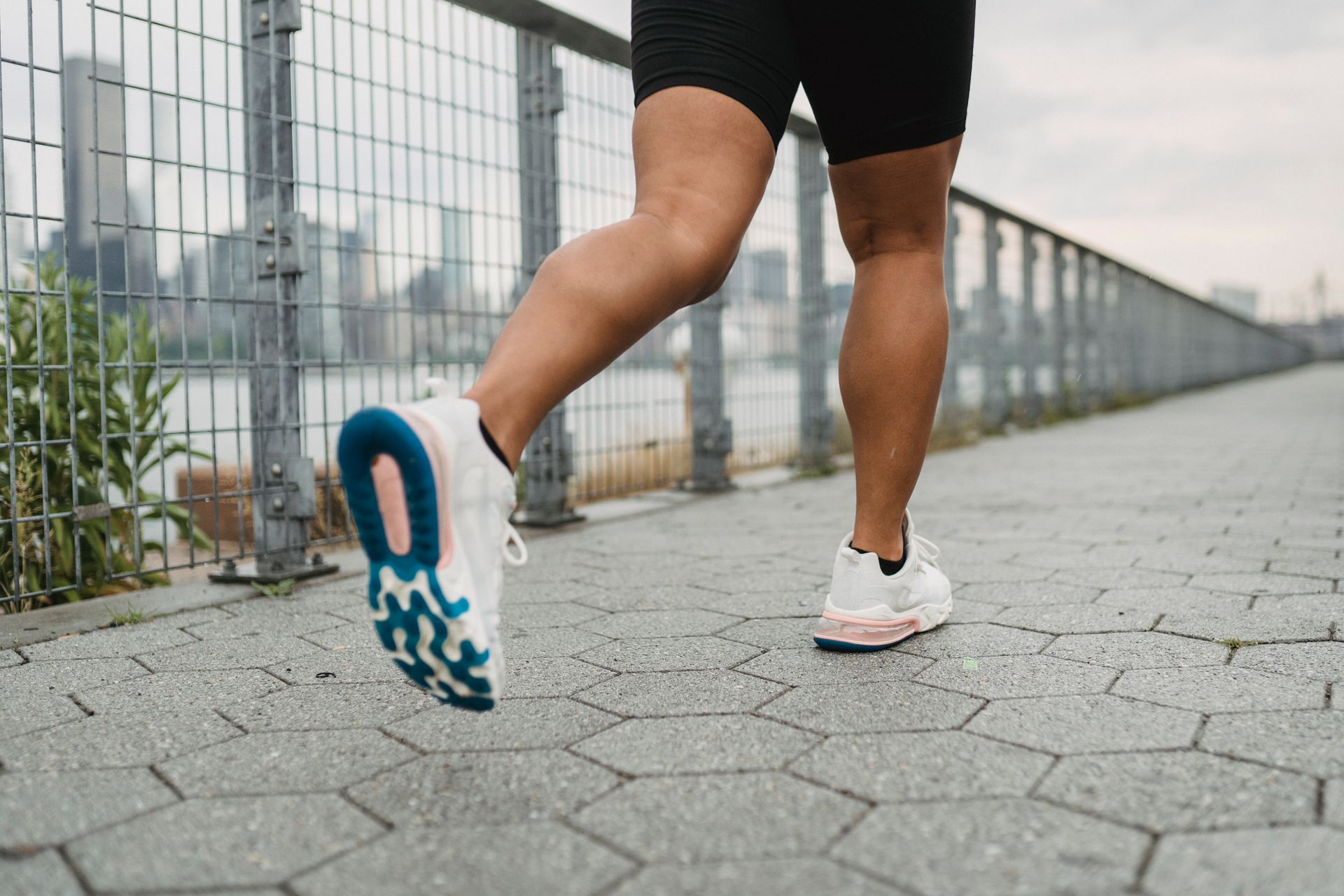
Photo by Ketut Subiyanto on Pexels.
6. Protect Consistent Sleep
Sleep does not melt belly fat, but too little sleep can affect hunger, food choices, energy, and weight over time. Most adults ages 18 to 64 need 7 to 9 hours a night, according to the same NIDDK guidance on factors that affect weight.
Choose one realistic sleep anchor, such as a consistent wake time, a darker room, or putting your phone away before bed. If you regularly get enough time in bed but still wake unrefreshed, snore loudly, or feel sleepy during the day, ask about sleep apnea or another sleep problem.
7. Manage Stress Without Blaming Cortisol
Cortisol helps your body respond to stress. Everyday stress does not automatically mean you have a cortisol disorder, and a round abdomen cannot diagnose high cortisol.
Stress support still matters because chronic strain can disrupt sleep, eating patterns, mood, and your ability to stay active. Pick a strategy that fits your life, such as walking, breathing exercises, time outdoors, therapy, meditation, or asking for practical help. The goal is not to force cortisol down. It is to make your days more manageable.
If social-media claims about “cortisol belly” have left you worried, read this fuller guide to cortisol and hormone health.
8. Choose Water Most Often
Water supports normal body function, but it does not flush away fat or excess hormones. Your fluid needs vary with your body, climate, activity, pregnancy, breastfeeding, and health conditions.
Use thirst, urine color, and your clinician’s advice as practical guides. Choosing water in place of sugar-sweetened drinks can also reduce added sugar without turning hydration into another rigid rule. If a clinician has told you to limit fluids because of a heart or kidney condition, follow that individualized plan.
9. Practice Mindful Eating
Mindful eating means noticing hunger, fullness, satisfaction, and how food makes you feel without turning every meal into a test. It can help you slow down and identify patterns, but it is not a direct treatment for belly fat or a hormone condition.
Try eating one meal without a screen, pausing halfway through, or noticing which combinations keep you satisfied. If tracking food or weight makes you anxious, obsessive, or more likely to restrict and overeat, step away from tracking and ask for support. Your mental health belongs in any plan for your physical health.
10. Make Changes You Can Sustain
A useful plan is specific enough to follow and flexible enough to survive a busy week. Choose one food habit, one movement habit, and one recovery habit. Repeat them before adding more.
- Food Add a vegetable or protein food to one meal you already eat.
- Movement Schedule two short walks or strength sessions you can realistically complete.
- Recovery Protect a consistent wake time or ten quiet minutes before bed.
Look for changes in energy, strength, sleep, blood pressure, blood sugar, and how your clothes feel, not only the scale. If your goal includes weight loss, your clinician or a registered dietitian can help you build a plan that fits your medical history. The right support is not a failure of willpower.
Add a vegetable or protein food to one familiar meal.
Schedule two short walks or strength sessions.
Keep a consistent wake time or ten quiet minutes before bed.
When to Talk With Your OB/GYN
Bring a new or unexplained abdominal change to your OB/GYN or primary-care clinician when it is persistent, progressing, or accompanied by other symptoms. Seek care for ongoing bloating or abdominal swelling, pain, a new lump, vomiting, blood in your stool, unintentional weight loss, or symptoms that interfere with daily life.
Menstrual changes can add important context. PCOS can involve irregular or missed periods, acne, new facial or body hair, scalp hair thinning, and difficulty managing weight. Ask for an evaluation instead of assuming PCOS based on your belly alone.
Rapid central weight gain with thin arms or legs, marked muscle weakness, easy bruising, or wide purple stretch marks also deserves medical attention. NIDDK lists these among the possible signs of Cushing’s syndrome, a rare disorder caused by prolonged high cortisol. These symptoms have many possible causes, so testing belongs with a clinician. Do not order or interpret cortisol tests on your own.
I also want you to mention any new medicine or dose change. Steroids and several other medicines can affect weight. Do not stop a prescribed medicine without talking with the clinician who manages it.
A Healthier Way Forward
You do not need to “fix” your body before you deserve care. Build habits that support your whole health, then use your symptoms and medical history to decide whether an evaluation belongs in the plan.
If you want to understand the bigger picture, start with this guide to common hormone imbalances. I also created the Ultimate Hormone Assessment to help you organize your symptoms and identify useful questions for your care team. It does not diagnose a condition or replace medical care.
Give yourself a little bit of time, a little bit of grace. Progress can show up in your energy, strength, sleep, and confidence before it shows up at your waist.
Frequently Asked Questions
Is hormonal belly a medical diagnosis?
No. “Hormonal belly” is an informal phrase for abdominal weight or fullness that someone suspects may involve hormones. A clinician diagnoses specific conditions from your history, symptoms, examination, and testing when appropriate, not from body shape alone.
How can I tell belly fat from bloating?
Belly fat usually changes gradually and stays relatively consistent through the day. Bloating can feel tight or gassy and may change after meals, with bowel habits, or around your menstrual cycle. That pattern is a clue, not a diagnosis. Persistent swelling, pain, or a new lump needs medical evaluation.
How long does it take to reduce belly fat?
There is no reliable timeline for losing fat from one body area. Your starting point, genetics, health conditions, medicines, eating pattern, activity, sleep, and consistency all matter. Look for sustainable progress over months, and notice health gains such as better stamina, strength, sleep, or blood sugar even when waist changes are slow.
Do detoxes or supplements get rid of hormonal belly?
No detox, tea, or supplement has been shown to remove abdominal fat or correct an undefined hormone imbalance. Many weight-loss supplements have not been proven safe or effective, and some may contain hidden or poorly labeled ingredients. Ask your clinician or pharmacist before taking one.
Take the Free Lifestyle Assessment
Answer a few quick questions, then reserve your free consultation with Doctor P.
Explore My Programs
From quick resets to hands-on support, here's everything I offer to help you feel like yourself again.
Program
The Madame Estrogen Mastermind
Access a comprehensive solution to say goodbye to your hormonal imbalance!
The Hormone Wellness Network
Embody hormone harmony. Unleash your inner wonder woman — masterclasses, accountability, sisterhood, access to me, and more!