

WOMEN'S HEALTH
Discover the best exercises for PCOS to balance hormones, boost metabolism, and reduce symptoms. Perfectly paired with a 7-day hormone reset.
Best Exercises for PCOS
October 20, 2025
Quick Answer
The best PCOS (recently renamed polyendocrine metabolic ovarian syndrome, or PMOS) workout routine combines strength training, low impact cardio like walking, and stress lowering movement like yoga. Together, these three types improve insulin sensitivity, support steady blood sugar, and calm the cortisol spikes that can make PCOS symptoms worse. A balanced weekly mix beats any single best workout, and consistency matters more than intensity.
Key Takeaways
- Strength training improves insulin sensitivity, one of the core issues behind PCOS.
- A 20 to 30 minute walk after meals helps stabilize blood sugar with almost no equipment.
- HIIT works, but too much of it can raise cortisol and disrupt your cycle.
- Yoga and Pilates lower stress hormones while still building strength and flexibility.
- Aim for 2 to 3 strength sessions, 2 to 3 cardio sessions, and 1 to 2 mind body sessions each week.
When it comes to managing PCOS, most women think about food first, and yes, nutrition plays a huge role. But let’s not forget about movement. Exercise is one of the most powerful tools you have to balance hormones, support your metabolism, and feel better in your own body. And no, I’m not talking about punishing yourself with endless hours on the treadmill or living in the gym. The best exercises for PCOS are the ones that help regulate blood sugar, reduce stress hormones, and build strength, not the ones that leave you burnt out.
Easy Exercises for PCOS
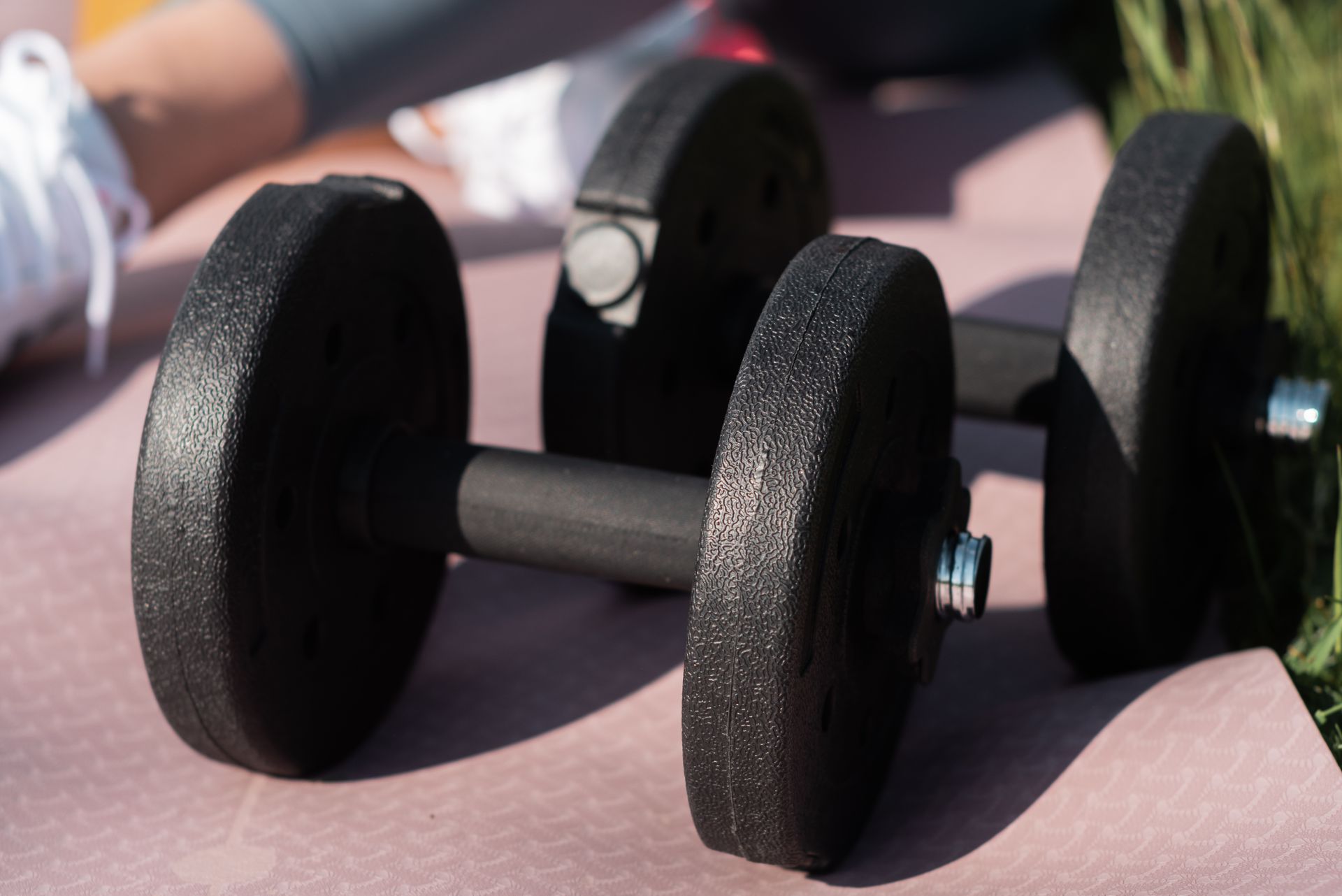
Photo by Mikhail Nilov on Pexels.
I’ve worked with many women who felt lost when it came to fitness because their bodies didn’t respond the same way as their friends did. If that’s you, know this. Your body isn’t broken. It just needs a slightly different approach.
Strength Training
Strength training is one of the best forms of exercise for PCOS. Lifting weights (or even just using resistance bands or bodyweight) helps improve insulin sensitivity, meaning your cells respond better to insulin. This matters because insulin resistance is common in PCOS and contributes to weight gain and belly fat, cravings, and fatigue. Bonus, building lean muscle boosts your metabolism, which means you’ll burn more calories even at rest.
Walking and Low-Impact Cardio
Don’t underestimate the power of walking. A 20 to 30 minute walk after meals can help stabilize blood sugar, reduce cravings, and improve digestion. Low impact cardio options like cycling, swimming, or even dancing are gentle on your joints but still give you all the mood boosting benefits of movement.
HIIT (High-Intensity Interval Training)
HIIT can be incredibly effective for women with PCOS, but with one big caveat. It should be balanced. Short bursts of high effort followed by rest periods can help improve metabolic and hormonal markers. But if you’re already under a lot of stress, hello cortisol spikes, doing HIIT every day might backfire. Think of HIIT as a tool in your toolkit, not the main event.
Yoga and Pilates
These might not look as intense as lifting weights or running, but don’t dismiss them. Yoga and Pilates can help lower cortisol, improve flexibility, and strengthen your core. Stress management is a huge piece of PCOS care, and mindful movement like yoga helps calm your nervous system while still giving your body a workout.
Listen to Your Body
Here’s the part most people forget. The best exercise for PCOS is the one you’ll do consistently. Some women thrive with lifting three times a week. Others feel better mixing in walking, yoga, and an occasional HIIT session. What matters most is listening to your body. If you’re sore, fatigued, or noticing your cycle getting irregular, it may be a sign to take a step back and give your body more recovery time.
Weights, bands, or bodyweight
Walking, cycling, or swimming
Yoga or Pilates
Rest or gentle movement
Signs You're Overexercising with PCOS
More exercise is not always better when you have PCOS. Pushing too hard, too often can raise your cortisol, and elevated cortisol can suppress the hormone signals that regulate your cycle. I want you to know this before you build your routine, because the goal is balance, not exhaustion.
Watch for these signs that your body needs more recovery, not more intensity.
- Your period becomes irregular, lighter, or stops after starting an intense routine
- You feel persistently exhausted, even after a full night’s sleep
- Your resting heart rate stays elevated the morning after a workout
- You feel more anxious, irritable, or unfocused than usual
- Workouts that used to feel easy now feel like a struggle
If you notice two or more of these, sis, it is time to dial back the intensity, not push through it. Swap a HIIT day for a lower stress option like walking or yoga, and give your body the rest it is asking for.
A Sample Weekly Structure to Start With
A lot of women ask me for something simpler than a list of exercise types. They want to know what an actual week looks like. General exercise guidelines recommend about 150 minutes of moderate intensity cardio each week, plus two days of strength training. Here is one way to spread that across a week. Use it as a starting structure to bring to your own routine, not a fixed prescription, and adjust the days and the intensity to fit your body and your schedule.
| Day | Focus | Duration |
|---|---|---|
| Day 1 | Strength training | 30 to 40 minutes |
| Day 2 | Moderate cardio (walking, cycling, or swimming) | 30 minutes |
| Day 3 | Rest or gentle movement | As needed |
| Day 4 | Strength training | 30 to 40 minutes |
| Day 5 | Moderate cardio | 30 minutes |
| Day 6 | Yoga, Pilates, or a light cardio session | 20 to 30 minutes |
| Day 7 | Rest or an easy walk | As needed |
Notice that rest is built into this structure, not squeezed out of it. If your week does not go exactly like this, that is normal. What matters most is the pattern you return to most weeks, not perfect execution of any single one.
Exercises to Approach with Caution
Movement is good for PCOS, but a couple of specific patterns are worth approaching carefully rather than avoiding altogether. If either of these sounds like your current routine, it is worth a conversation with your OB/GYN.
- Very high volume or high intensity training with little built-in recovery. Back-to-back intense sessions without rest days can raise your cortisol, and staying in that elevated state can work against the hormone balance you are trying to build.
- Chronic under-fueling combined with intense training. Not eating enough to support your training load, even unintentionally, can disrupt the hormone signals that regulate your cycle. This pattern is well documented in functional hypothalamic amenorrhea, the clinical term for missed periods caused by low energy availability and physical stress, and it is a good reminder that fueling your body matters as much as moving it.
None of this means moving less than you want to. It means giving high volume, high intensity training enough recovery and enough fuel, and checking in with your OB/GYN if your cycle changes after starting something new.
Putting It All Together
A balanced weekly PCOS exercise plan might look something like this:
- 2–3 days of strength training (full body, resistance bands, or weights)
- 2–3 days of low-impact cardio or walking
- 1–2 sessions of yoga or Pilates
- Optional 1 HIIT workout if you enjoy it and your stress levels are under control
PCOS doesn’t mean you’re stuck with workouts that feel like punishment or that you need to push harder than everyone else just to see results. The truth is, smart and consistent exercise, combined with stress management and nutrition, can completely change the way you feel in your body. Think of movement not as a chore, but as one of the best gifts you can give your hormones.
If losing weight is also part of your goals, exercise works best alongside a broader plan. Here is how exercise fits alongside other tools for managing PCOS and weight.
Frequently Asked Questions
How often should I exercise if I have PCOS?
Aim for 2 to 3 days of strength training, 2 to 3 days of low impact cardio, and 1 to 2 mind body sessions like yoga each week. This adds up to roughly 150 to 200 minutes of movement, enough to support insulin sensitivity without pushing your body into overtraining.
Can too much exercise make PCOS worse?
Yes. Overtraining raises cortisol, and chronically high cortisol can worsen insulin resistance and disrupt your cycle. If you are still learning the basics of what PCOS actually involves, that context makes it easier to see why overtraining backfires. If your periods become irregular after starting an intense routine, that is a sign to scale back, not push harder.
Is walking enough to help with PCOS symptoms?
Walking alone will not fix every PCOS symptom, but it is a genuinely effective place to start. A 20 to 30 minute walk after meals helps stabilize blood sugar and improve insulin sensitivity, and it is one of the easiest habits to stay consistent with.
How long does it take to see results from exercise with PCOS?
Most women notice changes in energy and cravings within 2 to 4 weeks of consistent movement. Shifts in cycle regularity and other hormone driven symptoms often take 3 months or longer. Consistency matters more than intensity here.
Do I need to avoid cardio with PCOS?
No, but the type and amount matter. Low impact cardio like walking, cycling, or swimming supports PCOS symptoms well. High intensity cardio can help too, but only in moderation, since too much of it can raise cortisol and work against you.
What's Next?
Ready to take control of your PCOS symptoms? Pair targeted exercises for PCOS with my 7-Day Hormone Reset & Recharge Challenge to jumpstart your metabolism, balance your hormones, and feel like yourself again. Don’t wait for “someday.” Start your7-day reset & recharge today and give your body the fresh start it deserves.
Take the Free Lifestyle Assessment
Answer a few quick questions, then reserve your free consultation with Doctor P.
Explore My Programs
From quick resets to hands-on support, here's everything I offer to help you feel like yourself again.
Program
The Madame Estrogen Mastermind
Access a comprehensive solution to say goodbye to your hormonal imbalance!
The Hormone Wellness Network
Embody hormone harmony. Unleash your inner wonder woman — masterclasses, accountability, sisterhood, access to me, and more!