

Illustrative image: a knitted hot water bottle on a cozy blanket beside a cup of chamomile tea.
HORMONES
10 Easy and Effective Home Remedies for IUD Cramps
August 18, 2025
Quick Answer
IUD cramps are most intense during insertion and in the first 1–3 months. Most women find meaningful relief with heat therapy, NSAIDs like ibuprofen, gentle movement, and hydration. Cramps typically improve on their own as your uterus adjusts — usually within 3–6 months. If pain is severe, worsening, or accompanied by fever after the first week, contact your OB/GYN.
If you’ve recently had an IUD inserted — or you’re dealing with ongoing cramping — you are not alone. As a board-certified OB/GYN with 16 years of experience, IUD cramp relief is one of the most common things my patients ask about. Yes, the pain is real. And yes, there are effective things you can do at home right now.
Below are 10 home remedies that actually work, plus what you need to know about why IUD cramps happen, how long they last, and when to call your provider.
Key Takeaways
- IUD cramps peak during insertion and the first 1–3 months, then typically fade
- Hormonal IUDs (Mirena, Kyleena, Liletta, Skyla) often reduce period pain over time; copper IUDs (Paragard) may increase it
- Heat therapy and NSAIDs (ibuprofen, naproxen) are the two most effective first-line options
- Taking 400–600mg of ibuprofen 30–60 minutes before your insertion appointment can reduce insertion pain
- Severe cramping, fever, or pain that keeps worsening after the first week requires a provider visit
Understanding IUD Cramps
IUDs are small, T-shaped devices placed inside the uterus to prevent pregnancy. They’re among the most effective forms of reversible contraception available — but because they sit inside the uterus, your body needs time to adjust. Cramps are the most common way it expresses that adjustment.
Why Do IUDs Cause Cramps?
During insertion, your cervix must be dilated slightly to allow the IUD to pass through. This triggers uterine contractions — similar to what happens during menstruation, but more abrupt. Your uterus may continue to contract intermittently for days to months as it adapts to having a foreign object inside it.
Hormonal vs. Copper IUDs: A Key Difference
Not all IUDs affect cramping the same way — and if you’re still weighing which birth control option is right for you, this is one factor worth considering:
- Hormonal IUDs (Mirena, Kyleena, Liletta, Skyla): These release a small amount of progestin, which reduces menstrual flow and cramping over time. Many women with painful periods see significant improvement after the adjustment period.
- Copper IUDs (Paragard): No hormones means no hormone-driven reduction in cramping. The copper can trigger heavier periods and more pronounced cramping — especially in the first 3–6 months. This typically improves but may not fully resolve for all women.
How Long Do IUD Cramps Last?
Insertion cramps are worst in the first 24–48 hours. Period-related cramping may persist for 3–6 months as your uterus adjusts. Most women experience little to no ongoing cramping after that initial window. If you’re still having significant pain beyond 6 months, that’s a conversation worth having with your OB/GYN. Tracking your symptoms alongside your cycle can help you spot patterns worth flagging.
Natural Remedies for Relief
These are the remedies I recommend most often to patients dealing with IUD cramps. Some work best in combination — listen to your body and find what gives you relief.
1. Heat Therapy
Heat is the most reliable first-line remedy for IUD cramps, and the research backs it up. Applying warmth to your lower abdomen relaxes uterine muscle and improves blood flow to the area — both reduce cramping pain directly.
- Use a heating pad on low-to-medium heat for 20–30 minutes at a time
- A hot water bottle works just as well and is more portable
- A warm bath provides full-body relief — add Epsom salts for an extra muscle-relaxing boost
| Option | What this article describes |
|---|---|
| Heating pad | Use low-to-medium heat for 20–30 minutes at a time. |
| Hot water bottle | A portable warmth option. |
| Warm bath | The article suggests a warm bath and mentions Epsom salts as an optional addition. |
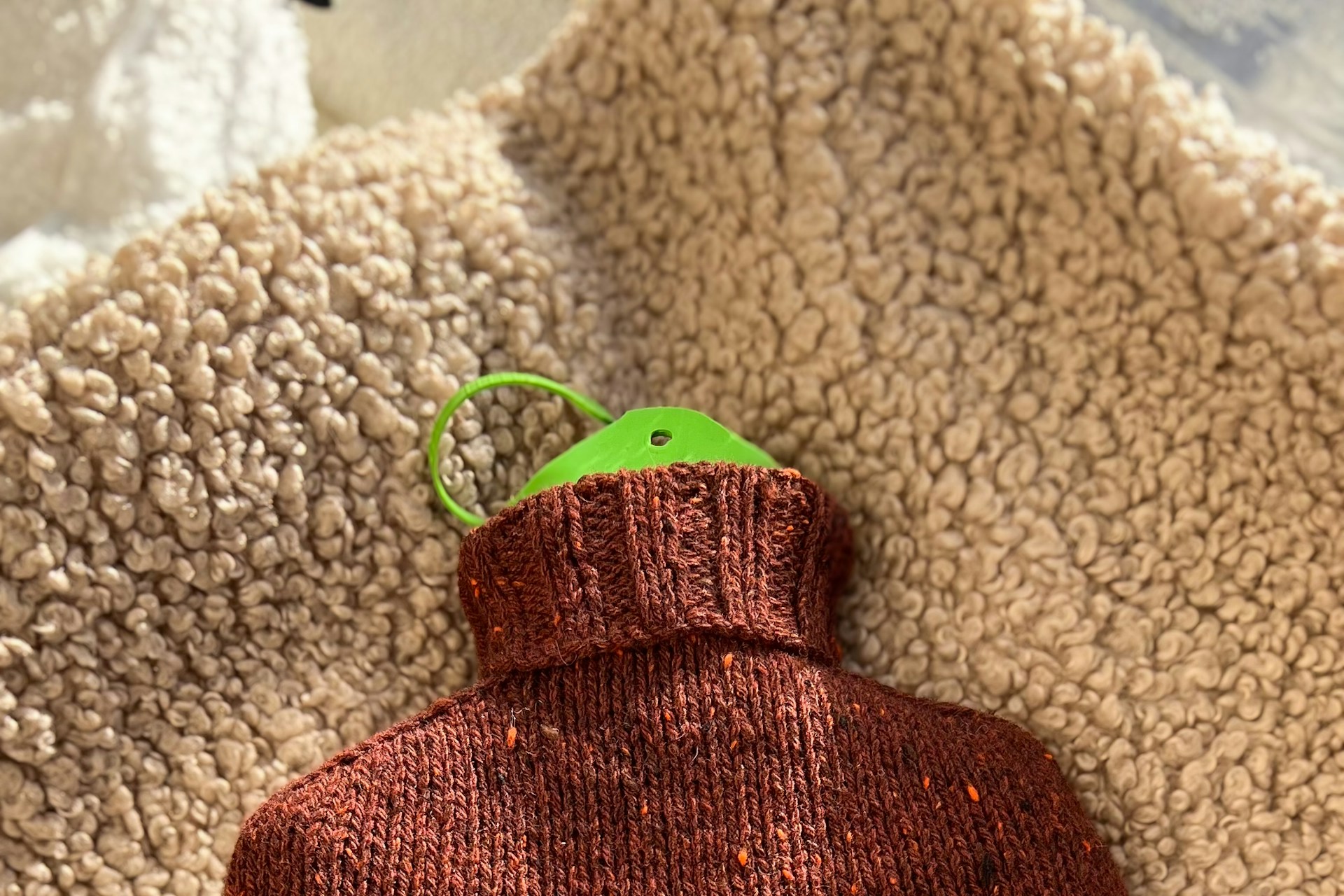
Photo by Yuliia Pakhomova on Unsplash.
2. OTC Anti-Inflammatory Medications (NSAIDs)
Ibuprofen (Advil, Motrin) and naproxen (Aleve) are the most clinically effective over-the-counter options for IUD cramps. NSAIDs work by blocking prostaglandins — the chemicals that trigger uterine contractions.
- Pre-insertion tip: Take 400–600mg of ibuprofen 30–60 minutes before your appointment. Studies show this meaningfully reduces insertion pain.
- Take with food to protect your stomach, and follow package dosing instructions
- Don’t use NSAIDs daily long-term without talking to your provider
3. Gentle Movement and Yoga
I know movement is the last thing you feel like doing when you’re cramping — but light activity actually helps. Walking, yoga, and low-impact stretching increase blood circulation to the pelvic area and release endorphins, your body’s natural pain relievers. Try these poses specifically:
- Child’s pose (Balasana)
- Reclining bound angle (Supta Baddha Konasana)
- Happy baby pose (Ananda Balasana)
- Supine twist
4. Herbal Teas
Certain herbs have natural antispasmodic and anti-inflammatory properties that can ease cramping. Swap your morning coffee for one of these during high-pain days:
- Chamomile: Contains apigenin, which has documented muscle-relaxing and anti-inflammatory effects
- Ginger: Small studies have shown ginger reduces menstrual pain comparably to ibuprofen — worth trying
- Peppermint: Helps relax smooth muscle and ease lower abdominal discomfort
Aim for 1–2 cups during cramping episodes. Avoid highly caffeinated teas, which can increase muscle tension.
5. Magnesium
Magnesium helps relax smooth muscle — including the uterus. Research shows women with lower magnesium levels tend to experience more severe menstrual cramps. Magnesium glycinate or citrate (200–400mg daily) may reduce cramping over time. Check with your provider before adding any new supplement, especially if you’re on other medications. If you’re consistently low on this mineral, magnesium deficiency can show up in other ways too, not just cramps.
6. Omega-3 Fatty Acids
Omega-3s have well-documented anti-inflammatory effects. Regular intake can reduce prostaglandin production, which directly lowers the intensity of uterine cramping.
- Food sources: Salmon, sardines, mackerel, walnuts, chia seeds, flaxseed
- Supplement: Fish oil at 1,000–2,000mg EPA+DHA daily
Not sure which supplements are actually worth taking? Here’s a broader guide to sorting the useful ones from the hype.
7. Hydration
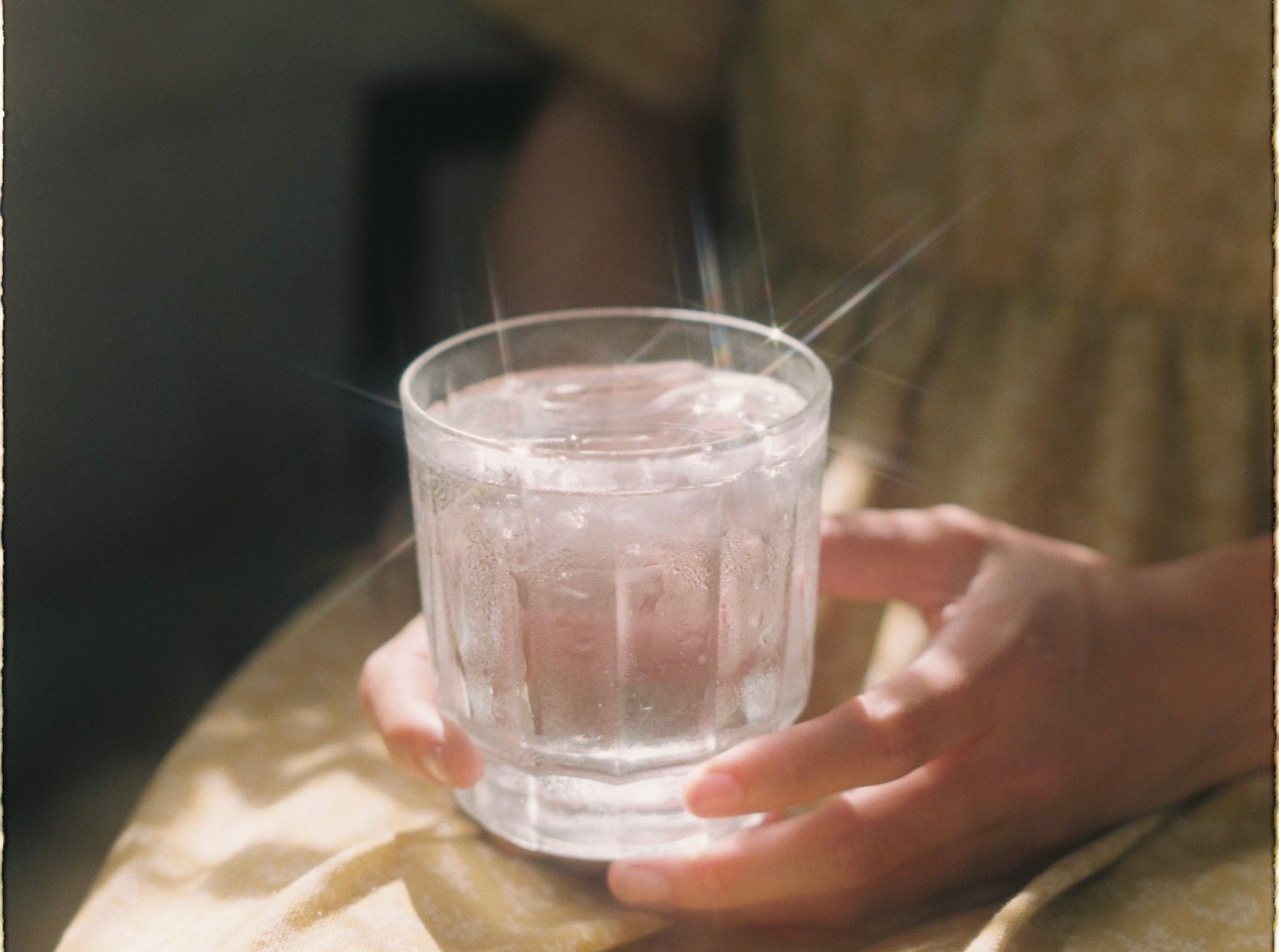
Dehydration makes cramping worse. When you’re low on fluids, your body produces more vasopressin — a hormone that contributes to cramping. Aim for at least 8–10 glasses of water per day, and more when you’re actively bleeding or exercising. Reducing sodium intake during cramping episodes also helps with bloating and water retention.
8. Anti-Inflammatory Diet Adjustments
What you eat affects inflammation levels — and inflammation affects cramping. During high-pain days, lean toward:
- Add more of: Leafy greens, berries, turmeric, ginger, salmon, olive oil
- Reduce: Processed foods, refined sugar, excess caffeine, alcohol
This isn’t about perfection. It’s about giving your body the best internal environment to regulate and heal. For more on building meals this way day to day, see this guide to balanced meals for women.
9. Rest and Breathwork
Stress and elevated cortisol amplify pain perception — the same cramp feels more intense when you’re exhausted or anxious. Treating rest as an active intervention during your first days post-insertion or during heavy cramping isn’t laziness. It’s medicine.
Try diaphragmatic breathing: inhale for 4 counts, hold for 4, exhale for 4. Repeat for 5 minutes. This activates the parasympathetic nervous system and can genuinely reduce perceived pain intensity.
10. Acupressure
Acupressure applies targeted pressure to specific body points to relieve pain. For uterine cramping, the most commonly used point is SP6 (Spleen 6) — located three finger-widths above your inner ankle bone. Apply firm, circular pressure for 1–2 minutes on each leg.
The research on acupressure for menstrual pain is still developing, but many women report real relief — and the risk is essentially zero. Worth trying.
When to Seek Medical Attention
Home remedies are a great starting point — but IUD cramping is not always something to just wait out. Here are the warning signs that mean you need to contact your OB/GYN sooner rather than later.
Contact Your Provider If You Experience:
- Severe or worsening pain that doesn’t respond to ibuprofen or heat
- Fever of 100.4°F (38°C) or higher — this can signal pelvic inflammatory disease (PID)
- Unusual discharge that is foul-smelling, yellow, or green
- Pain during sex
- IUD strings feel different — shorter, longer, or you can’t feel them at all
- Symptoms of pregnancy — if you have an IUD and suspect you might be pregnant, call immediately for urgent evaluation
- No improvement after 3 months of ongoing significant cramping
IUD expulsion — when the device partially or fully comes out of the uterus — is uncommon but real, particularly in the first 3 months, and more likely when the IUD was inserted during your period. If you suspect your IUD may have shifted, do not rely on home remedies — get checked.
Frequently Asked Questions
How long do IUD cramps typically last?
Insertion cramping usually peaks within 24–48 hours and improves significantly within 1–2 weeks. Period-related cramping may persist for 3–6 months as your uterus adjusts. Most women experience little to no cramping after that window.
Are IUD cramps worse with a copper IUD vs. a hormonal IUD?
For many women, yes. Copper IUDs (Paragard) don’t contain hormones, so they don’t reduce menstrual flow the way hormonal IUDs do. This often means heavier periods and more pronounced cramping — particularly in the first 3–6 months. Hormonal IUDs frequently reduce cramping over time, sometimes dramatically.
Can I take ibuprofen regularly for IUD cramps?
For short-term use around your period, ibuprofen is generally safe and effective. Long-term daily NSAID use is not recommended without medical supervision due to potential effects on the stomach, kidneys, and cardiovascular system. If you need pain medication every single day, talk to your provider — there may be a better option or an underlying issue worth evaluating.
Do IUD cramps ever go away on their own?
For most women, yes. The body typically adjusts within 3–6 months, and cramping decreases significantly. Women with hormonal IUDs often experience period pain that’s better than their pre-IUD baseline. Women with copper IUDs may still have heavier periods, but cramping usually becomes more manageable over time.
Will I have cramping every month with an IUD?
That depends on the type of IUD and your individual body. With hormonal IUDs, periods often become lighter or stop altogether — and cramping along with them. With copper IUDs, period cramping may remain more noticeable but typically stabilizes after the adjustment period.
Sis, you do not have to suffer in silence. Try these remedies, track your symptoms, and call your OB/GYN if something feels off. You deserve a birth control option that works for your body — not against it. If IUD cramps are just one piece of a bigger hormonal puzzle, our Ultimate Hormone Assessment can help you connect the dots.
Take the Free Lifestyle Assessment
Answer a few quick questions, then reserve your free consultation with Doctor P.
Explore My Programs
From quick resets to hands-on support, here's everything I offer to help you feel like yourself again.
Program
The Madame Estrogen Mastermind
Access a comprehensive solution to say goodbye to your hormonal imbalance!
The Hormone Wellness Network
Embody hormone harmony. Unleash your inner wonder woman — masterclasses, accountability, sisterhood, access to me, and more!