

HORMONES
THE BEST HERBS FOR HORMONE BALANCE EVERY WOMAN NEEDS
March 08, 2024
Quick Answer
The best herbs for hormone balance include chaste tree berry (vitex), black cohosh, and dong quai, though each one works differently depending on which hormone is out of balance. Most women notice early changes within four to eight weeks of consistent use. Some of these herbs interact with blood thinners, birth control, and thyroid medication, so read the safety section below before you start.
Key Takeaways
- Herbs affect hormones through different mechanisms, so the right one depends on your specific symptoms, not a single best pick.
- Most women need four to eight weeks of consistent use before noticing a change, and up to three cycles for the full effect.
- Chaste tree berry (vitex) can interact with hormonal birth control and certain psychiatric medications.
- Dong quai and licorice root carry real interaction risks with blood thinners and blood pressure medication.
- Talk to your OB/GYN before starting any herbal supplement, especially if you are pregnant, breastfeeding, or on prescription medication.
Hormone balance affects nearly every part of how you feel day to day. When your hormones are out of sync, it can throw your menstrual cycle off track and bring on mood swings, weight gain, low libido, and a long list of other symptoms that are anything but fun. In my practice, I see more and more women turning to herbal remedies to help bring their hormones back into harmony, and there is real research behind several of them.
Understanding Hormone Imbalance
When our hormones get out of wack, it can lead to a whole host of issues like irregular periods, hot flashes, night sweats, and more. Hormone imbalance can be caused by various factors, including environmental issues, stress, unhealthy diet, and medical conditions like polycystic ovary syndrome (PCOS, recently renamed polyendocrine metabolic ovarian syndrome, or PMOS) or insulin resistance.
Symptoms of Hormone Imbalance
Let’s take a moment to recognize some common symptoms of hormone imbalance that many of us may experience because, boo, this could be you, and you may not even know it!
MENSTRUAL IRREGULARITIES
Irregular periods, heavy bleeding, or unusually light periods can all be signs of hormone imbalance.
MOOD SWINGS AND EMOTIONAL ROLLERCOASTERS
Feeling like you’re on an emotional rollercoaster with mood swings ranging from tearful to irritable? Hormone imbalance might be to blame. Fluctuations in estrogen and progesterone levels can wreak havoc on our emotions.
Photo by Artem Podrez on Pexels.
WEIGHT GAIN AND DIFFICULTY LOSING WEIGHT
Despite our best efforts with diet and exercise, unexplained weight gain or difficulty losing weight can be frustrating signs of hormone imbalance, particularly if it’s concentrated around the abdomen.
LOW LIBIDO
A dwindling desire for intimacy can be linked to hormone imbalance, especially fluctuations in testosterone levels. It’s not just about physical attraction; our hormones play a big role in our overall sexual health, too.
FATIGUE AND LOW ENERGY LEVELS
Feeling like you need a nap just to make it through the day? Hormone imbalance, especially disruptions in cortisol levels, can leave us feeling drained and fatigued, no matter how much sleep we get.
VAGINAL DRYNESS AND DISCOMFORT
Dryness, itching, or discomfort in the vaginal area can be symptoms of hormonal changes, especially during perimenopause and menopause, when estrogen levels decline.
HAIR LOSS OR THINNING
Seeing more hair in the shower drain than usual? Hormone imbalance, particularly high levels of androgens like testosterone, can contribute to hair loss or thinning, leaving us feeling less than fabulous.
BREAST TENDERNESS
Tender breasts, especially before or during your menstrual cycle, can signify hormonal shifts, particularly changes in estrogen and progesterone levels.
Recognizing these symptoms is the first step towards understanding our bodies and taking proactive steps toward hormone balance. Herbal remedies can be valuable allies in this journey, offering gentle support and nourishment to our endocrine system.
There are plenty of home remedies for hormonal imbalances, but this post isn’t about all that. We will look at some fantastic herbs that can help us find balance and harmony in our hormone health journey.
The Power of Herbal Remedies
Herbal medicine can be a fantastic ally in the quest for hormonal balance. Herbal remedies have been used for centuries in traditional medicine systems like Traditional Chinese Medicine and Ayurveda to support women’s health and hormone balance.
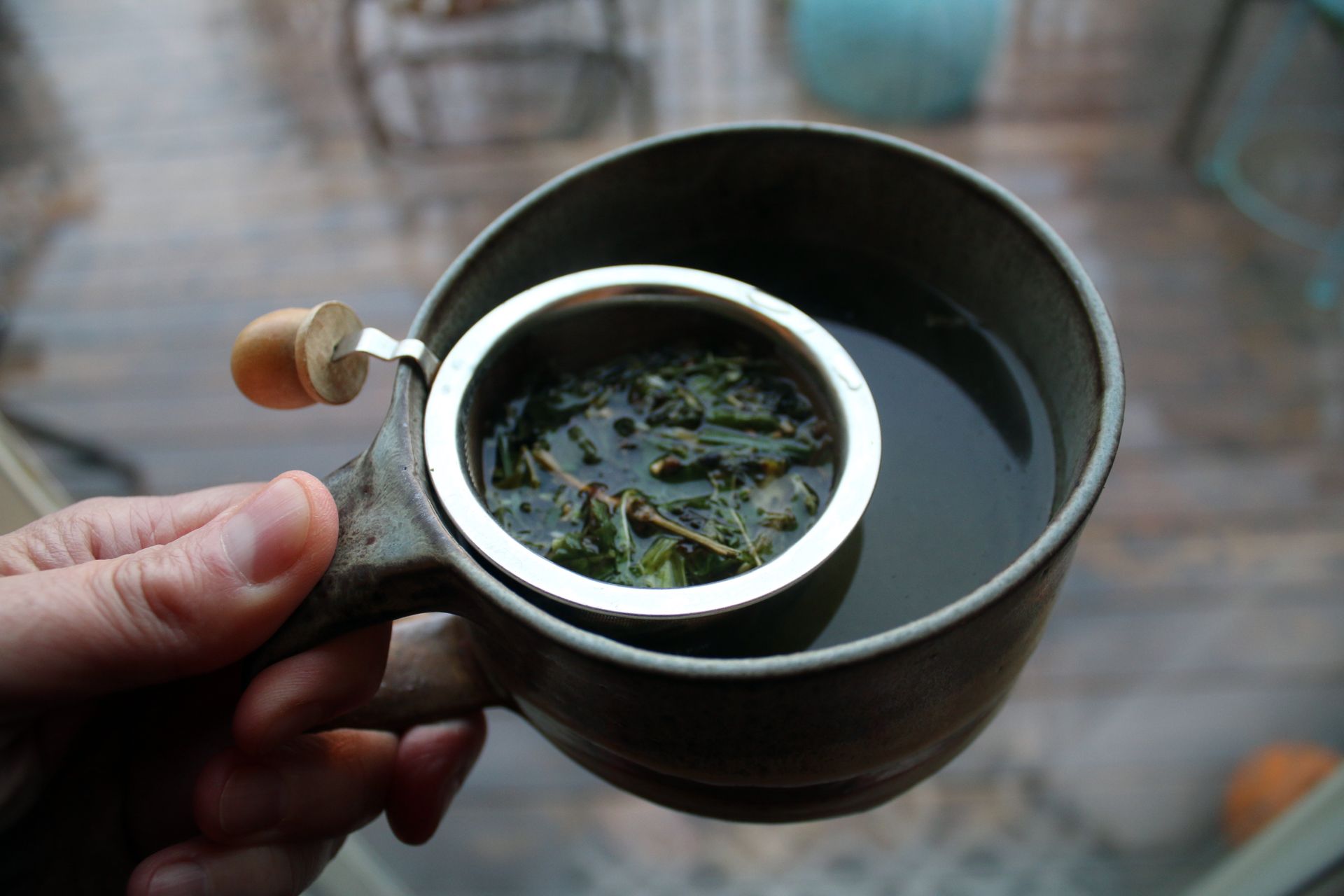
Photo by Denise Cusack on Pexels.
Best Herbs for Hormone Balance
Hormone balance is the key to feeling fantastic every day. From menstrual woes to mood swings, we’ll uncover how these herbs can help us feel amazing. So grab your tea, coffee, wine, whatever you want, get cozy, and let’s talk hormones!
1. BLACK COHOSH
Black cohosh is one of the most researched herbs for menopause. It can help ease hot flashes, night sweats, and vaginal dryness, and current research points to it working through serotonin receptors in the brain rather than acting like estrogen directly.
Caution: black cohosh has been linked to rare cases of liver injury, and its safety in women with a history of breast or uterine cancer is not settled. Talk to your OB/GYN before starting it, especially during pregnancy or while breastfeeding.
2. DONG QUAI
Known as the “female ginseng” in Traditional Chinese Medicine, dong quai has traditionally been used to regulate menstrual cycles and ease cramps.
Caution: dong quai can increase your bleeding risk if you take blood thinners like warfarin, and it should be avoided during pregnancy because it may raise the risk of miscarriage. If you have a hormone-sensitive condition or a procedure scheduled, tell your OB/GYN you are taking it, since it should be stopped about two weeks before surgery.
3. CHASTE TREE BERRY (VITEX AGNUS-CASTUS)
This little berry, also called vitex, is a favorite among women dealing with PMS symptoms and irregular periods. It works by lowering prolactin and supporting the second half of your cycle, when progesterone should be rising.
Caution: vitex may reduce the effectiveness of hormonal birth control and hormone therapy, and it can interact with certain psychiatric medications that affect dopamine. Avoid it during pregnancy and breastfeeding, and check with your OB/GYN first if you are on any of these medications.
4. MACA ROOT
Maca doesn’t appear to shift your hormone levels the way some of the other herbs on this list do. Its reputation comes mostly from its effects on energy, mood, and libido, which is why women often reach for it alongside a hormone-support routine rather than in place of one.
Caution: talk to your OB/GYN before using maca if you have a hormone-sensitive cancer, are pregnant or breastfeeding, or take blood pressure medication.
5. LICORICE ROOT
Not just for candy lovers, licorice root has a long history of traditional use for supporting the body’s stress response.
Caution: this is one to be careful with. Licorice root can raise blood pressure and lower potassium levels, and in large amounts or with long-term use it has been linked to irregular heartbeat. Avoid it if you have high blood pressure, take blood pressure medication or diuretics, or are pregnant.
6. DANDELION ROOT
Dandelion root, often overlooked as a weed, is rich in vitamins and minerals. It has traditionally been used to support liver function and reduce bloating, and because your liver helps clear excess estrogen from your body, keeping it healthy plays a real role in hormone balance.
Caution: dandelion root can affect how your body processes certain medications, including some used after an organ transplant, and it may have an additive effect with diabetes medication or diuretics. Avoid it if you are allergic to ragweed or related plants.
7. LEMON BALM
With its refreshing citrus scent and calming properties, lemon balm is often used for stress, sleep, and easing menstrual cramps.
Caution: some early research suggests lemon balm may affect thyroid hormone signaling, though this hasn’t been confirmed in humans. If you take thyroid medication, mention any herbal supplement to your OB/GYN or endocrinologist before starting, and know that it may add to the drowsiness of sedative medications.
How Long Does It Take for Herbs to Balance Hormones?
Give any herbal approach real time before deciding if it is working. Most women notice early changes, like better sleep or a steadier mood, within four to eight weeks of consistent use. Because your menstrual cycle is the clock your hormones run on, it typically takes two to three full cycles before you can judge whether an herb is actually helping with things like period regularity or PMS symptoms. If you do not notice any change after three months, that is a good time to check in with your OB/GYN rather than switching herbs on your own.
What to expect, and when
- 4 to 8 weeks: early changes like better sleep or a steadier mood, with consistent use.
- 2 to 3 full cycles: the point where you can judge whether an herb is helping with period regularity or PMS symptoms.
- 3 months with no change: a good time to check in with your OB/GYN rather than switching herbs on your own.
Which Herb Fits Your Symptoms?
Not every herb on this list treats the same symptoms. Here is a quick reference to help you narrow down where to start, though the full caution for each herb above still applies.
| Herb | Best For | Typical Form | Time to Notice | Key Caution |
|---|---|---|---|---|
| Black Cohosh | Hot flashes, night sweats, vaginal dryness | Capsule or tincture | 4-8 weeks | Rare liver injury reports |
| Dong Quai | Irregular cycles, cramps | Capsule, tincture, or tea | 4-8 weeks | Bleeding risk with blood thinners |
| Chaste Tree Berry (Vitex) | PMS, irregular periods | Capsule or tincture | 2-3 cycles | May reduce birth control effectiveness |
| Maca Root | Low energy, low libido | Powder or capsule | 4-6 weeks | Avoid with hormone-sensitive cancer |
| Licorice Root | Stress-related symptoms | Tea, tincture, or capsule | 2-4 weeks | Can raise blood pressure, lower potassium |
| Dandelion Root | Bloating, sluggish detox | Tea or capsule | 2-4 weeks | Interacts with some prescription medications |
| Lemon Balm | Stress, sleep, cramps | Tea or capsule | 2-4 weeks | May affect thyroid medication |
Safety and Interactions to Know Before You Start
Herbal supplements are not regulated by the FDA the same way prescription medications are, which means potency and purity can vary between brands. I want you to know this before anything else. If you take blood thinners, blood pressure medication, thyroid medication, or hormonal birth control, or if you are pregnant, breastfeeding, or managing a hormone-sensitive condition, talk to your OB/GYN before adding any herb on this list. Bring the bottle or a list of ingredients to your next visit so I can check it against everything else you are taking.
Talk to your OB/GYN before adding any herb if you
- take blood thinners, blood pressure medication, thyroid medication, or hormonal birth control
- are pregnant or breastfeeding
- are managing a hormone-sensitive condition
Bring the bottle or a list of ingredients to your next visit so I can check it against everything else you are taking.
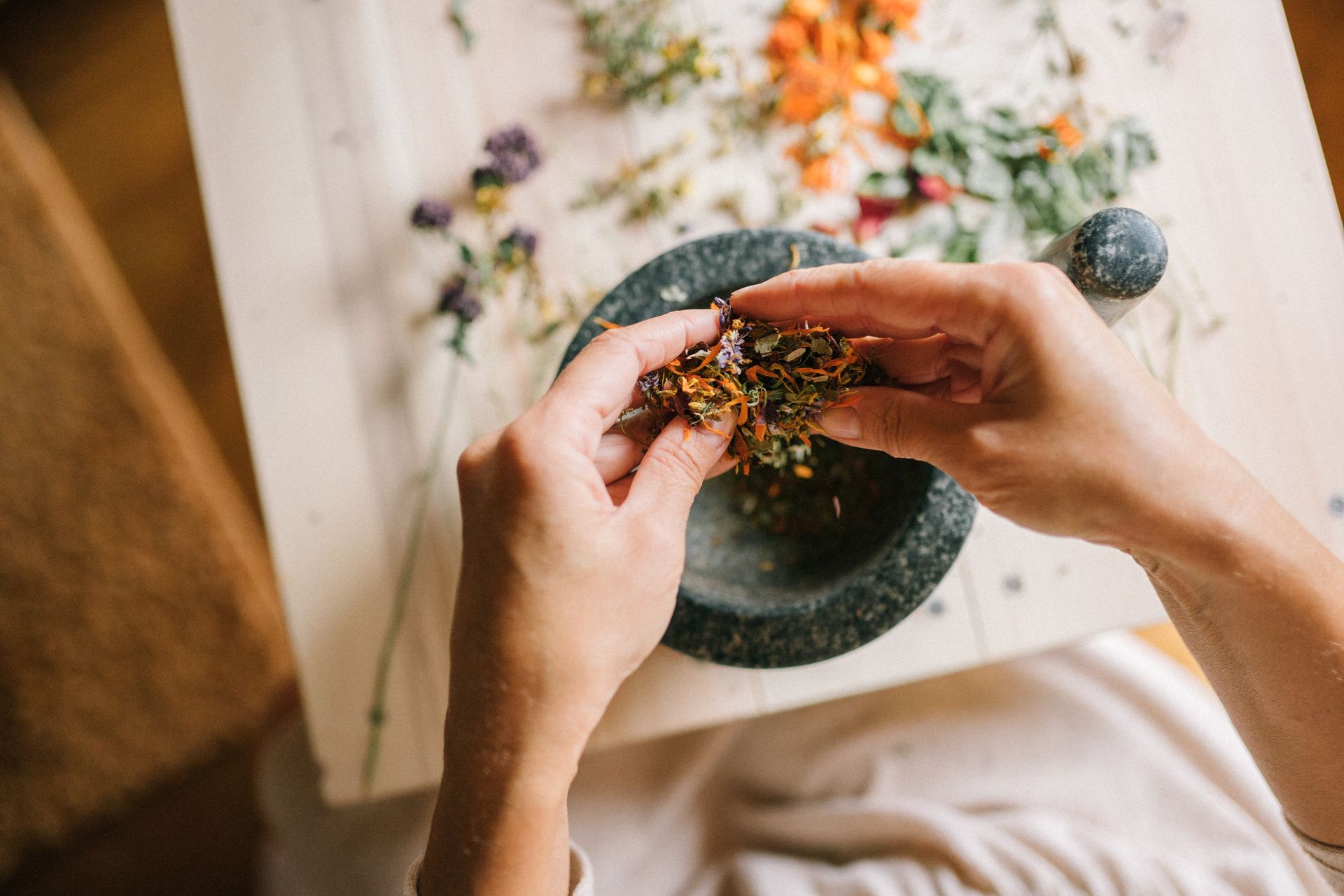
Photo by Yan Krukau on Pexels.
How to Incorporate Herbal Remedies
Now, you might be wondering, “How do I get started with herbal supplements?” It’s always important to talk with a healthcare provider who knows a thing or two about herbal medicine. A quick search or chat with your OB-GYN or another doctor you trust may start you on the right path.
Herbal remedies can effectively support your body naturally when it comes to hormone balance. Pairing these herbs with the right vitamins and supplements and lifestyle changes like eating a balanced diet and managing stress gives you the best shot at lasting hormone balance.
Frequently Asked Questions
What is the best herb for hormonal imbalance?
There isn’t one best herb because different herbs target different hormones. Chaste tree berry (vitex) has the strongest research behind it for PMS and irregular periods, and black cohosh has the strongest research behind it for menopausal hot flashes. The right one for you depends on which symptoms you’re actually dealing with, which is why I built the comparison table above.
Do herbal supplements really work for hormone balance, or is the evidence weak?
The evidence is genuinely mixed and stronger for some herbs than others. Chaste tree berry and black cohosh both have real clinical research behind them, while herbs like maca and dandelion root have more traditional use than clinical trial data. Herbal supplements can be a helpful piece of a hormone-balance plan, but I don’t consider them a replacement for a full evaluation if your symptoms are significant.
Can you take vitex and black cohosh together?
Vitex and black cohosh are commonly combined in over-the-counter formulas, and no major medical source has flagged a dangerous interaction between the two. That said, the safety data on combining them specifically is limited, so I would rather you start with one at a time so you know what’s actually helping, and mention both to your OB/GYN if you plan to use them together.
Are herbs for hormone balance safe to take with birth control?
Chaste tree berry (vitex) is the one to be most careful with if you are on hormonal birth control, since it may reduce how well your birth control works. The other herbs on this list don’t have the same documented interaction, but any herb that affects hormones is worth mentioning to your OB/GYN if you’re also on hormonal birth control, an IUD, or hormone therapy.
Which herbs help most with PCOS or high androgen symptoms?
Chaste tree berry (vitex) is the herb most associated with PMS and cycle irregularity, which makes it a common starting point for symptoms related to PCOS, like irregular periods. It is not a treatment for PCOS itself, and I always recommend a full evaluation for PCOS symptoms rather than relying on an herb alone.
Take the Free Lifestyle Assessment
Answer a few quick questions, then reserve your free consultation with Doctor P.
Explore My Programs
From quick resets to hands-on support, here's everything I offer to help you feel like yourself again.
Program
The Madame Estrogen Mastermind
Access a comprehensive solution to say goodbye to your hormonal imbalance!
The Hormone Wellness Network
Embody hormone harmony. Unleash your inner wonder woman — masterclasses, accountability, sisterhood, access to me, and more!