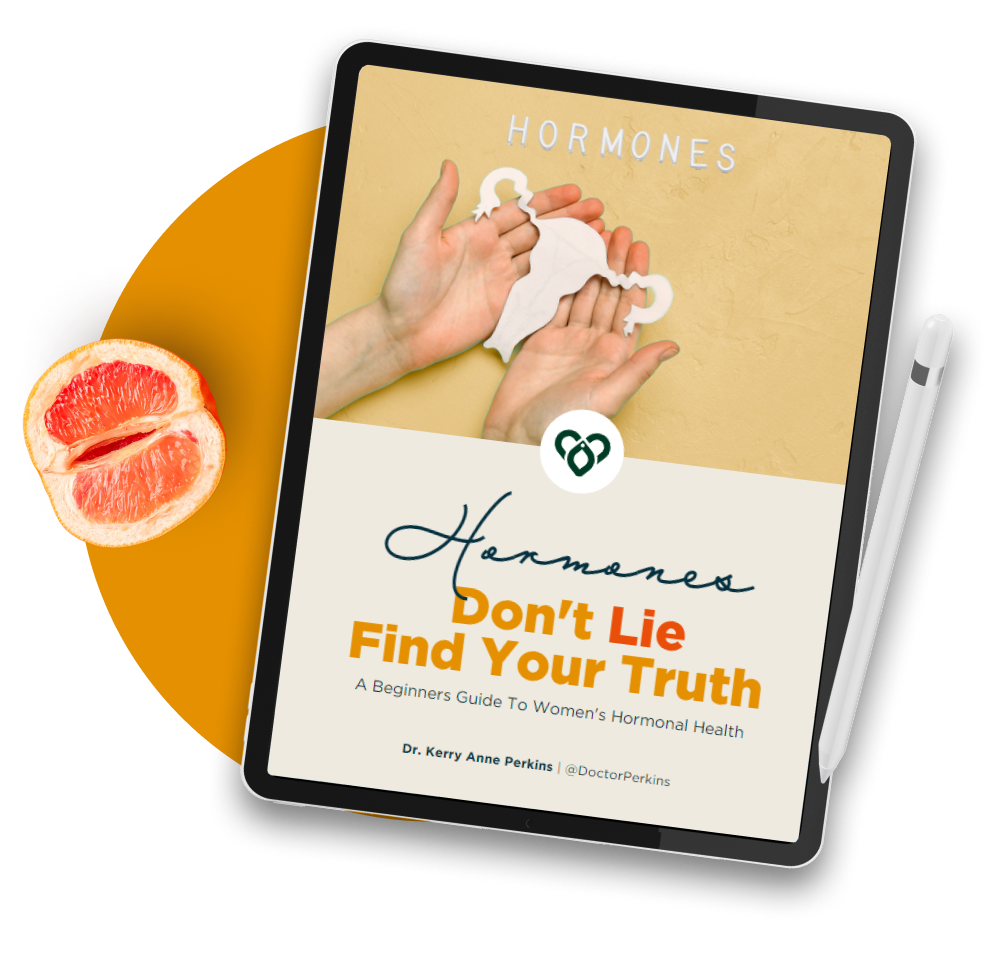


Eating Disorders In Women
Eating disorders (ED) are defined as behavioral conditions characterized by persistent and severe disturbances in eating behavior.
wonder women
"When you empower your sister with the education that helps her reconnect with her entire being — mind, body, and soul — she can uplift the world with infinite love."
- Doctor P

As an advocate for women's health, I am thrilled to curate a
to serve the extraordinary wonder woman you are.
From science-based physical well-being to nurturing your divinity, we leave no stone unturned in exploring women's health!
Eating disorders (ED) are defined as behavioral conditions characterized by persistent and severe disturbances in eating behavior.
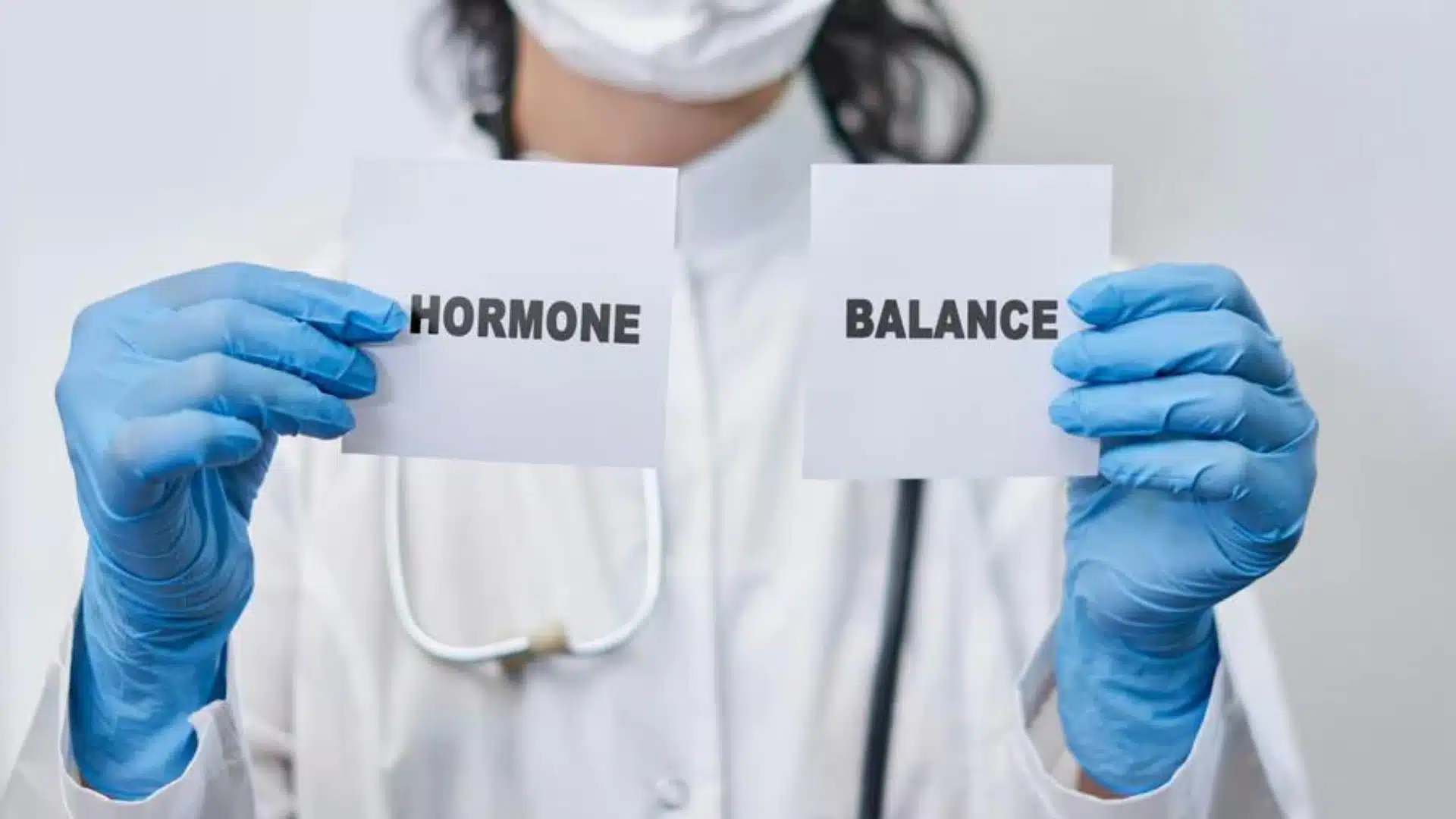
Hormonal imbalance is sometimes hard to identify. In fact, 80% of women have experienced some form of hormonal imbalance at some point in their lives and about 70% do not even know that certain annoying symptoms they experience is due to hormonal imbalance and simply just “live with it.”

Infertility is a disease of the reproductive system that makes a person unable to have children. Nearly 1 in 7 couples are infertile, which means they are unable to get pregnant after a year or longer of frequent and unprotected sex.

Most pregnant women wonder if it is safe to exercise during pregnancy. According to the American College of Obstetricians and Gynecologists, “if you are healthy and your pregnancy is normal, it is safe to continue or start regular physical activity.

Hormonal imbalances can cause a wide range of health problems for women, including irregular periods, mood swings, acne, weight gain, and even infertility.

From the monthly rollercoaster of our menstrual cycle to the unpredictable changes that come with pregnancy, perimenopause, and other events in our lives, the fluctuations in our hormones sometimes leave us feeling powerless.
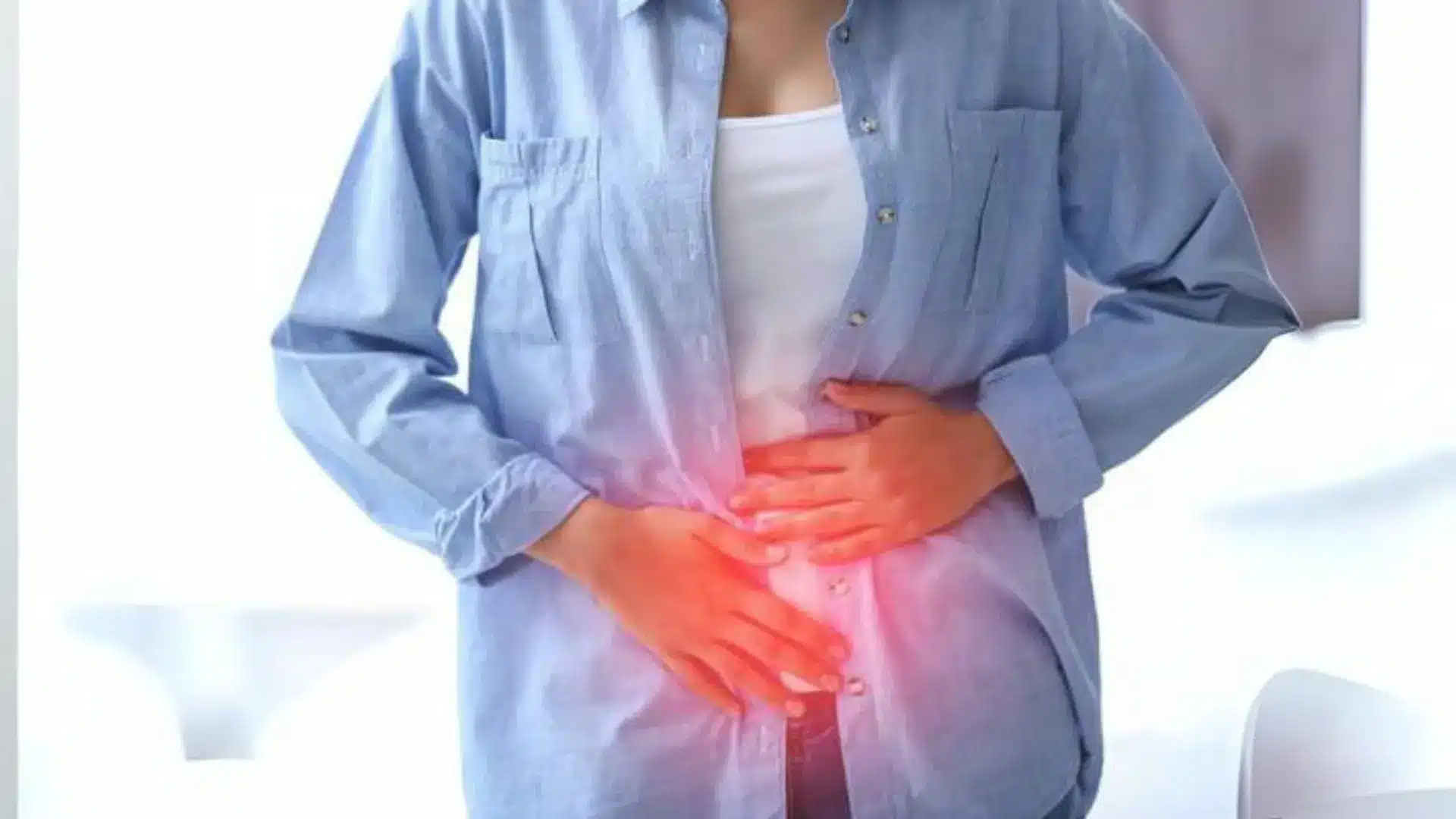
Your urinary system plays a major role in your health and wellness. It filters excess water and waste as urine. The urinary tract consists of two kidneys, two ureters, a bladder, and a urethra.

Polycystic ovarian syndrome (PCOS) is a hormonal disorder that is common in women of child-bearing age. It affects about 7% of reproductive-aged women in the United States with symptoms often developing during puberty, around the time of the first menstrual period. PCOS can, however, also develop in later years due to excessive weight gain.

You have probably heard about vaginal yeast infection, and you may have experienced one or more yeast infections in your lifetime. Although yeast infections are no fun, they are common among women.
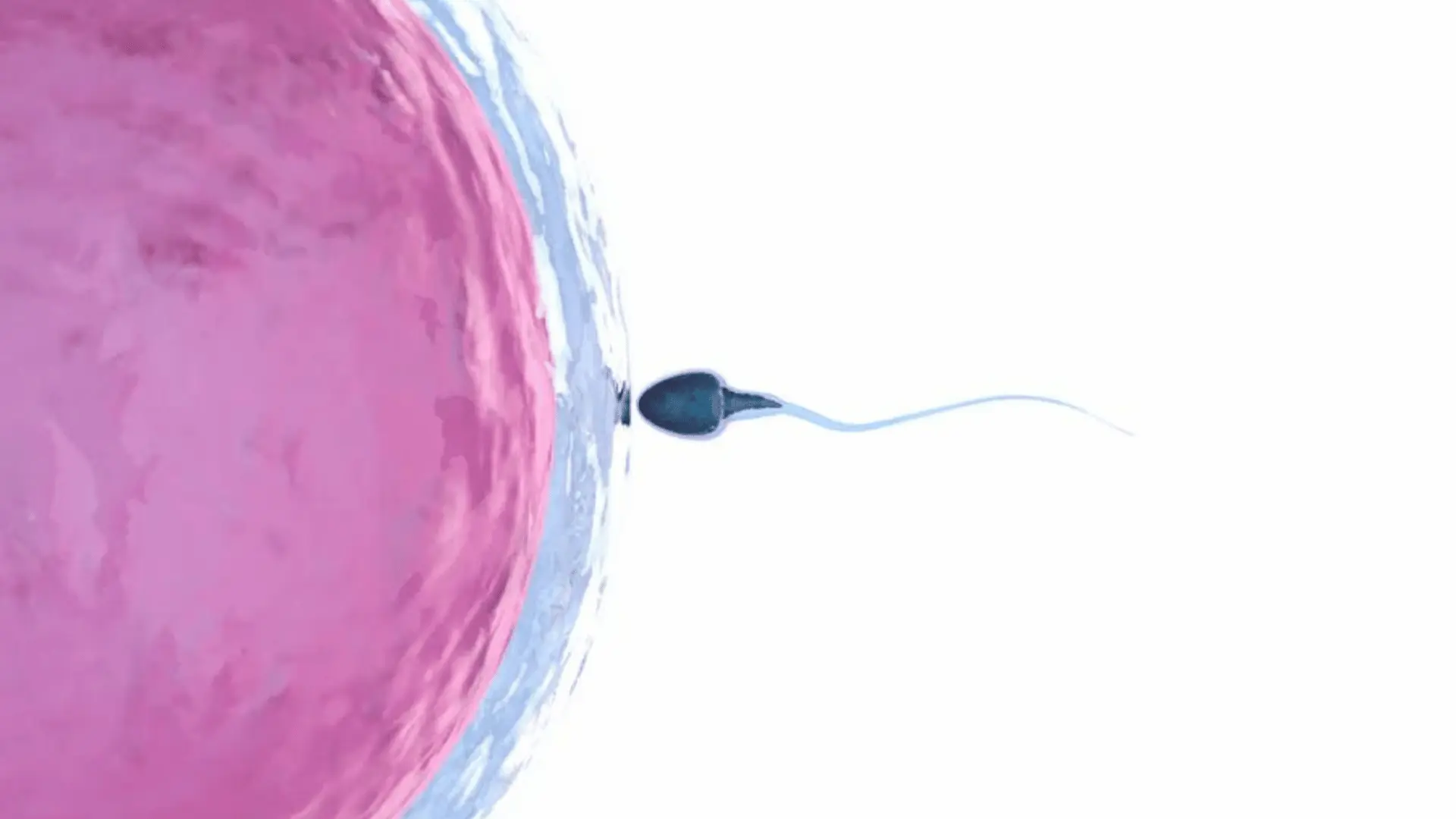
Infertility in women is defined as trying to get pregnant with frequent, unprotected sex for at least a year without success. Nearly 1 in 7 couples are infertile.

Vaginal odor can be embarrassing to discuss, but it is important to know what is normal and what is not. Understanding when things are abnormal will help you know when to seek medical help.
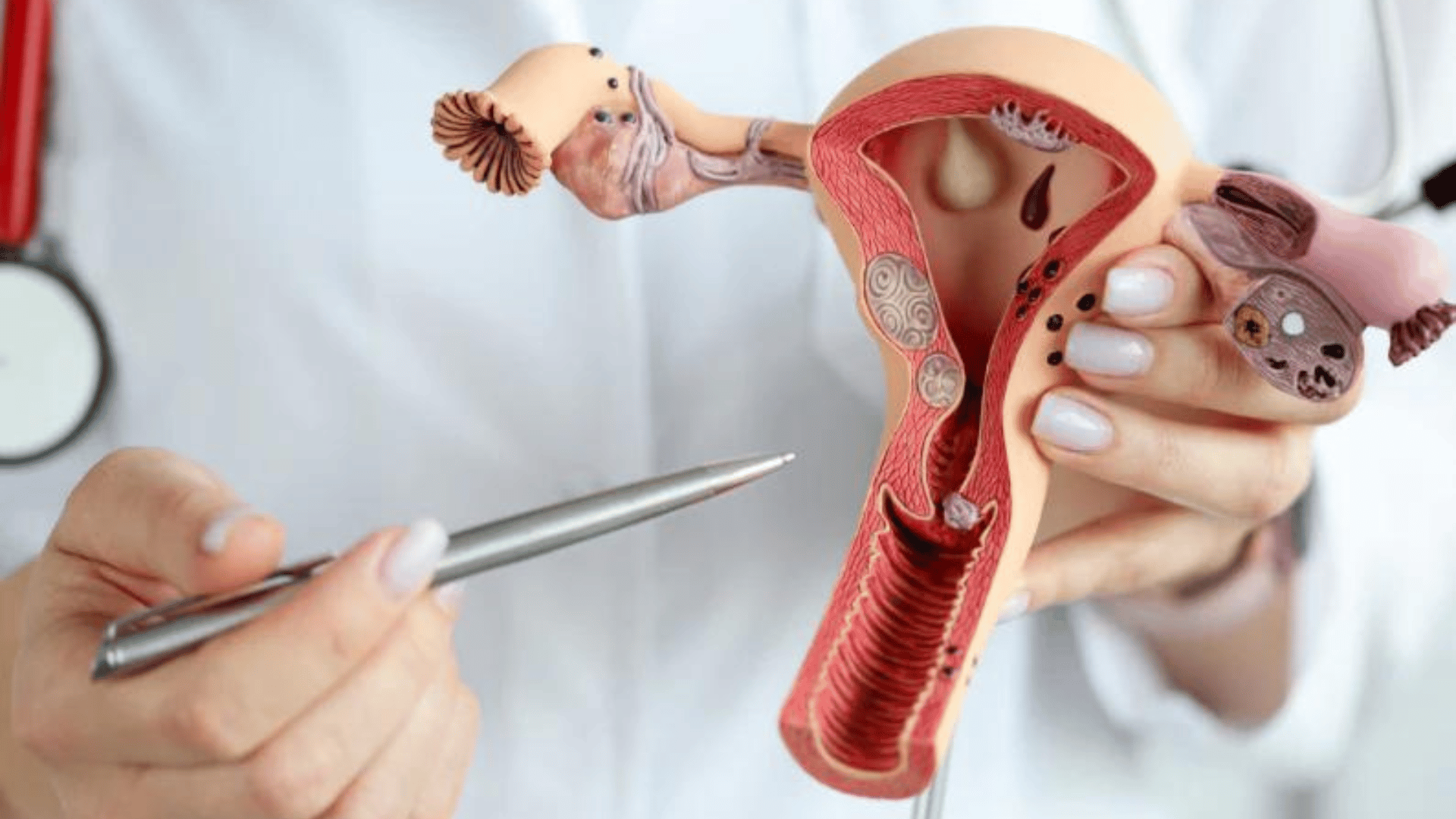
Fibroids, also called uterine myoma, are abnormal, non-cancerous growths that develop in or on a woman’s uterus (womb).
Hey,
Cut through the noise with expert insights from OB-GYN Dr. Kerry-Anne Perkins. Get actionable strategies to balance hormones, regain vitality, and reclaim your health. Ready to start feeling energized, maintaining a healthy weight, clearing mental fog, and reviving intimacy?