

Illustrative image: young woman practicing a gentle seated side stretch on a yoga mat in a calm, sunlit living room.
Interstitial Cystitis and Pelvic Floor Exercises: What Actually Helps
Quick Answer
Pelvic floor exercises can genuinely ease interstitial cystitis (IC) symptoms, but not the kind most people reach for first. IC is usually linked to a pelvic floor that is too tight, not too weak, so relaxation techniques like diaphragmatic breathing, gentle stretching, and pelvic floor drops are the right place to start. Kegel exercises, which tighten the muscles, are generally not recommended unless a pelvic floor physical therapist has assessed you first.
Key Takeaways
- Interstitial cystitis (IC) is often linked to a pelvic floor that is too tight, not too weak.
- Relaxation-based exercises, like diaphragmatic breathing and pelvic floor drops, are the right starting point for most people with IC.
- Kegel exercises are generally not recommended for IC unless a pelvic floor physical therapist has assessed you first.
- A pelvic floor physical therapist can build a plan around your specific muscle pattern, since IC affects everyone differently.
- See a doctor promptly if you notice blood in your urine, fever, or pain that keeps getting worse despite at-home care.
Interstitial cystitis (IC) or painful bladder syndrome is more common than you might think! This chronic condition can make even the simplest daily activities challenging. But don’t worry, sis, because there are simple ways to manage IC symptoms and make those daily activities no longer a challenge! One of the easiest ways to manage IC is with interstitial cystitis pelvic floor exercises, and I’ll give you a couple to try, too.
What is Interstitial Cystitis?
Have you ever been shopping in Target, working out, or driving in the car when, all of a sudden, you have the intense feeling of having to urinate? Or maybe you know where all the bathrooms are in your local shopping mall or office space? If so, you may be dealing with interstitial cystitis, or IC. IC causes bladder pain and pelvic pain, and it often leads to urinary urgency, frequent urination, and a lot of discomfort. The exact cause isn’t fully understood, but it is often linked to a tight, overactive pelvic floor rather than a weak one. Chronic pelvic symptoms like this can also show up alongside other signs of hormonal imbalance, so it is worth looking at the full picture, not just the bladder symptoms alone.
Understanding the Pelvic Floor
The pelvic floor is a group of muscles and connective tissues that support pelvic organs like the bladder, uterus, and bowel. These muscles play a massive role in bladder control, bowel function, and sexual health. Understanding your vaginal and pelvic health as a whole can help you catch pelvic floor issues early. When these muscles become too tight or weak, they can cause various symptoms, including those associated with IC and other pelvic floor disorders.
Why Interstitial Cystitis Often Means a Tight Pelvic Floor, Not a Weak One
Most people think of pelvic floor exercises as a way to strengthen weak muscles, the kind recommended after childbirth or for bladder leaks. Interstitial cystitis (IC) usually works differently. In IC, the pelvic floor muscles are often overactive, meaning they stay tight and guarded even when you are not trying to hold anything in. That constant tension can irritate the bladder and surrounding nerves, which shows up as urgency, frequency, and pain.
This is why the same exercise that helps one condition can make another one worse. I always want my patients to understand this distinction, because it changes what actually helps. Stress incontinence responds well to Kegels because those muscles need more strength. IC often responds better to teaching an already-tight muscle how to let go. The American Urological Association’s IC and bladder pain syndrome guideline recommends manual physical therapy to release tight pelvic floor muscles, and specifically advises against pelvic floor strengthening exercises, like Kegels, for this reason. As the Interstitial Cystitis Association explains, the physical therapy techniques that relax and lengthen tight muscles are different from the ones used for incontinence, which mainly need pelvic floor strengthening.
How Pelvic Floor Exercises Can Help
Now, ladies, you do not need to live with IC forever. The right pelvic floor exercises, the relaxation kind, are a key part of managing IC symptoms. These exercises can help release a tight pelvic floor, improve blood flow, and reduce chronic pain. Some benefits of these exercises are:
- Better Bladder Function: Teaching an overactive pelvic floor to relax can ease urinary urgency and frequency.
- Less Pelvic Pain: Relaxation techniques target the muscle tension and trigger points that drive chronic pelvic pain.
- A Better Quality of Life: Regular practice can help you get back to daily activities without constantly scanning for the nearest bathroom.
Types of Pelvic Floor Exercises
Incorporating the right pelvic floor exercises into your routine can be a game changer for IC. Since IC is usually tied to a tight pelvic floor, the goal is release and relaxation first, not strengthening. Here are the exercises most likely to help, plus one common exercise you should generally leave to a specialist.
Diaphragmatic Breathing
Diaphragmatic, or deep belly, breathing helps relax the pelvic floor along with the rest of your body. It is one of the simplest and most effective places to start.
- Find a Comfortable Position: Lie down on your back with your knees bent.
- Breathe Deeply: Place one hand on your lower abdomen and the other on your chest. Inhale deeply through your nose, letting your abdomen rise while your pelvic floor softens.
- Exhale Slowly: Exhale through your mouth, letting your abdomen fall. Repeat for 5 to 10 minutes daily.
Pelvic Floor Drops
Sometimes called reverse Kegels, this exercise teaches your pelvic floor muscles to lengthen and release instead of tighten.
- Get Settled: Sit or lie down in a relaxed position and take a few slow breaths.
- Gently Bear Down: As you inhale, gently bear down or bulge the pelvic floor slightly, the way you would if you were trying to pass gas, then relax fully on the exhale.
- Keep It Gentle: Repeat 5 to 10 times, focusing on the release rather than the effort.
Stretching and Yoga
Gentle stretching and yoga help lengthen tight muscles and improve blood flow through the pelvic region.
- Child’s Pose: Kneel on the floor, sit back on your heels, and stretch your arms forward, lowering your chest toward the floor.
- Happy Baby Pose: Lie on your back, hold the outsides of your feet, and gently pull your knees toward your armpits.
What About Kegels?
Here’s what I tell my patients: Kegel exercises strengthen the pelvic floor, and that is exactly why they are usually not the right starting point for IC. The National Institute of Diabetes and Digestive and Kidney Diseases (NIDDK) advises against Kegels for IC symptoms unless you are working directly with a pelvic floor physical therapist, since strengthening an already-tight muscle can make urgency and pain worse. A therapist can assess your specific pattern and let you know if any strengthening work is appropriate later on.
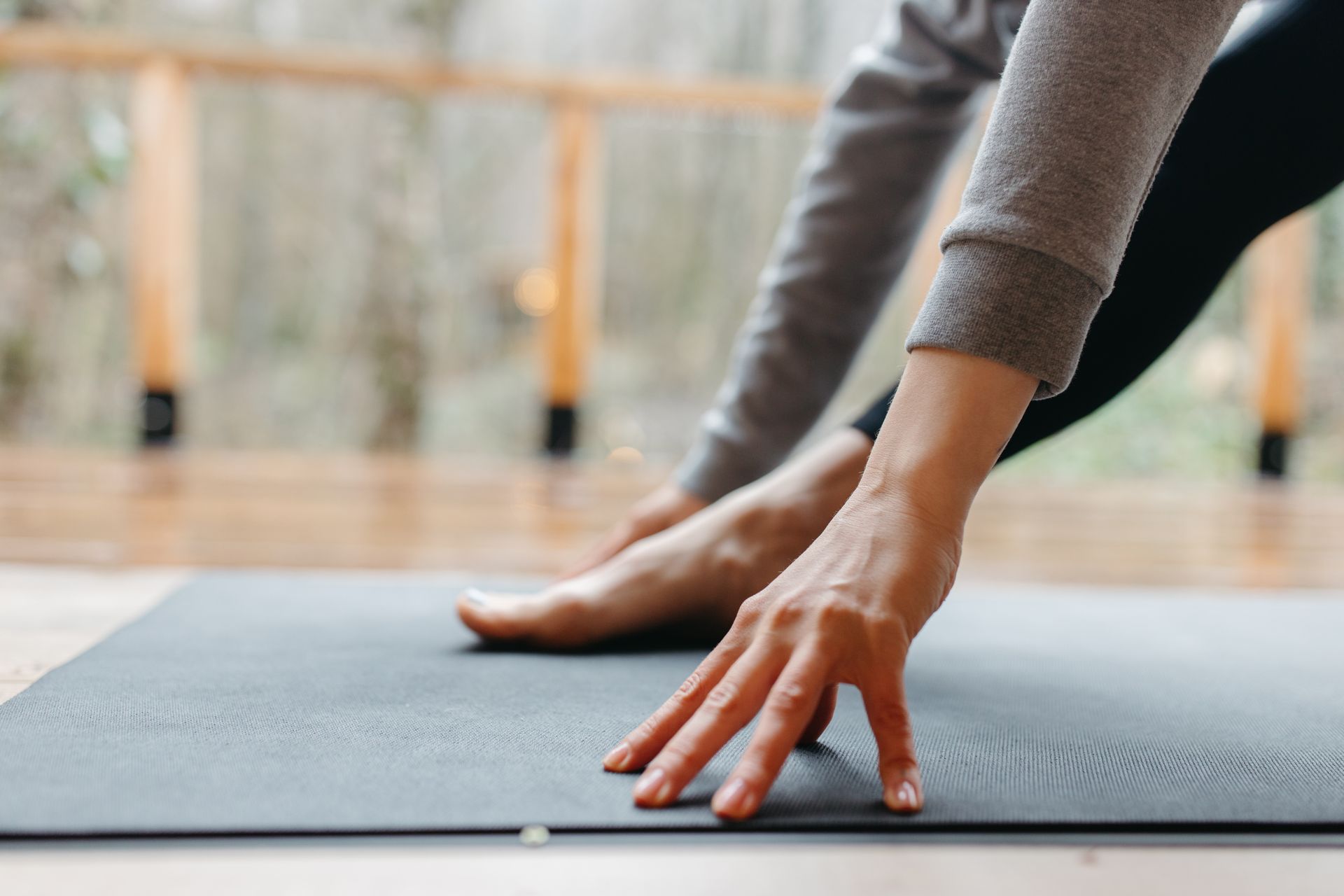
Photo by Anastasia Shuraeva on Pexels.
Exercises to Try vs. Exercises to Approach With Caution
| Try | Approach With Caution |
|---|---|
| Diaphragmatic breathing | Kegel exercises, unless supervised by a pelvic floor physical therapist |
| Pelvic floor drops (reverse Kegels) | Heavy resistance training for the lower body and core, which can increase pelvic floor tension |
| Gentle stretching and yoga (child’s pose, happy baby) | High-impact exercise if it consistently triggers a flare |
Every body responds differently, so use this as a starting point, not a strict rule, and adjust with guidance from your doctor or a pelvic floor physical therapist.
When to Seek Help from a Physical Therapist
If you find that your symptoms continue despite trying these exercises for two to three weeks, or if they are getting worse instead of better, it is time to see a pelvic floor physical therapist. A physical therapist specializing in pelvic floor therapy can create a personalized treatment plan based on your individual needs and medical history, and can safely determine whether any strengthening work is appropriate for you specifically. A 2021 study in the Journal of Clinical Medicine found that supervised pelvic floor muscle training with biofeedback improved quality of life in IC patients, but that training was individualized and closely monitored by a specialist, not a generic at-home routine. Some insurance companies cover specialized pelvic floor therapists.
I always lead with this because it matters: call your doctor promptly, rather than waiting for your next appointment, if you notice any of the following:
- Blood in your urine
- Fever or chills along with bladder pain
- Pain during or after sex that is new or getting worse
- Symptoms that keep getting worse despite two to three weeks of at-home care
Lifestyle Changes and Other Treatments
In addition to pelvic floor exercises, lifestyle modifications can play a big role in managing IC. Here are a few tips:
- Eat a healthy diet and stay hydrated to help with bladder symptoms.
- Manage stress with relaxation techniques like deep breathing and meditation, since stress hormones can tighten the pelvic floor further and worsen IC symptoms.
- Work on bladder training techniques to increase bladder capacity and reduce the frequency of urination.
Pelvic health is women’s health, and dealing with interstitial cystitis can be rough, sis. But learning the right pelvic floor exercises, the relaxation kind, can make a real difference. Every woman’s body is different, so finding what works best for you might take some time and a pelvic floor physical therapist by your side. If you deal with chronic pelvic pain beyond IC, like severe PMS pain, this same relaxation-focused approach can often help there too.
Frequently Asked Questions
How long does it take for pelvic floor exercises to help interstitial cystitis?
Many people notice some improvement within the first several sessions of guided pelvic floor physical therapy, though full symptom relief more often takes around 8 to 12 weeks of consistent practice. Self-guided relaxation exercises like diaphragmatic breathing can bring some relief sooner, but working with a pelvic floor physical therapist tends to get you there faster and more safely.
Is interstitial cystitis the same as a urinary tract infection (UTI)?
No. IC causes bladder pain, urgency, and frequency similar to a UTI, but a urine culture will not show a bacterial infection. That is actually part of how doctors diagnose IC, by ruling out infection first. If you are having UTI-like symptoms and your test comes back negative, it is worth bringing up interstitial cystitis with your doctor.
Can pelvic floor exercises cure interstitial cystitis?
There is no single cure for IC, but pelvic floor exercises, especially relaxation-based ones, are one of the most effective tools for managing symptoms long term. Most people see the best results when exercises are combined with diet awareness, stress management, and guidance from a pelvic floor physical therapist.
Can stress make interstitial cystitis worse?
Yes. Stress raises tension throughout the body, including in the pelvic floor, and an already-tight pelvic floor is a big part of what drives IC symptoms. Managing stress through relaxation techniques is not just a general wellness tip for IC, it directly targets one of the mechanisms behind the pain.
What's Next?
If pelvic pain and urgency have been running your life, you don’t have to keep guessing what helps and what doesn’t. The Ultimate Hormone Assessment can help you understand what’s going on with your hormones and pelvic health, so you can build a plan that actually fits your body. Take the first step toward relief by taking the assessment today.
Take the Free Lifestyle Assessment
Answer a few quick questions, then reserve your free consultation with Doctor P.
Explore My Programs
From quick resets to hands-on support, here's everything I offer to help you feel like yourself again.
Program
The Madame Estrogen Mastermind
Access a comprehensive solution to say goodbye to your hormonal imbalance!
The Hormone Wellness Network
Embody hormone harmony. Unleash your inner wonder woman — masterclasses, accountability, sisterhood, access to me, and more!