

Breast cancer ranks among the most prevalent cancers affecting women across the world and is the second leading cause of death in women in the United States. Although the rate of death from breast cancer has decreased over the years due to early detection and novel treatment options, about 322,000 new cases of invasive breast cancer are diagnosed in women yearly, and about 42,000 women die annually from breast cancer. Approximately one in eight women in the U.S. will develop breast cancer at some point in their lives, and about 30% of all new female cancers in a year are breast cancer.
HORMONES
FIVE COMMON HORMONAL DISEASES IN WOMEN AND STRATEGIES FOR PREVENTION
Apr 08, 2024
Quick Answer
Cardiovascular disease, breast cancer, osteoporosis, PCOS and endometriosis, and depression and anxiety are five of the most common hormonal diseases in women, each shaped by shifts in estrogen, progesterone, and related hormones across your lifetime. Most carry real prevention options, from heart-healthy habits to hormone-aware screening, and knowing your personal risk factors early gives you the best chance to act on them.
Key Takeaways
- Cardiovascular disease is the leading cause of death in women, and hormone shifts during menopause raise your risk.
- Breast cancer risk rises with lifetime estrogen exposure, but regular mammograms catch it early.
- Osteoporosis develops silently after estrogen drops at menopause, most often diagnosed only after a fracture.
- PCOS and endometriosis are both hormone-driven and are leading causes of infertility in women of childbearing age.
- Depression and anxiety can be triggered or worsened by hormonal shifts during your cycle, pregnancy, postpartum, and thyroid imbalance.
- Prevention is not about eliminating all risk. It is about consistent habits and knowing when to see your doctor.
As women go through life, they encounter a wide range of health challenges that are uniquely influenced by hormonal imbalances and fluctuations. These hormonal imbalances can contribute to various conditions and ailments. With more awareness and targeted preventive strategies, women can be proactive with safeguarding their health and wellness. Some common hormonal health issues that affect women include:

Photo by Dmitry Reshetnikov on Unsplash.
Cardiovascular Disease (heart attack and stroke)
Cardiovascular disease is any disease that involves the heart and blood vessels, including heart disease and stroke. Heart disease refers to any disease of the heart, including heart attack. All heart diseases are cardiovascular diseases, although not all cardiovascular diseases are heart diseases. Stroke is a condition where the brain cannot get enough blood flow because one or more blood vessels lead to the brain being blocked or ruptured.
Prevalence
Cardiovascular disease (CVD) is the leading cause of death globally. Heart disease is the number one killer of women in the United States and can affect women of any age. About one in every five deaths in women in the U.S. can be attributed to heart disease. About sixty million women are living with one or more forms of heart disease, and as many women die from heart disease as men do annually.
Stroke affects one in five women between the ages of 55 and 75 years old and is the third leading cause of death for women in the U.S. One in five women will have a stroke in their lifetime, and about 90,000 women die yearly from stroke. Black women have the highest risk of death from stroke compared to other ethnic groups. Stroke is also a leading cause of disability in women. Each year, about 55,000 more women than men have a stroke, and the risk of stroke increases with age.
Hormonal Connection
Although many factors, including diabetes, hypertension, high cholesterol, smoking, and a sedentary lifestyle, increase the risk of cardiovascular disease, sex hormones, hormone therapy, exposure to exogenous hormones, pregnancy hormones, and menopause all play a critical role in increasing the risk of cardiovascular diseases like heart disease and stroke. For instance, the decline in estrogen during menopause, as well as natural hormonal shifts that occur with aging, increase the risk of coronary arteries narrowing, thereby increasing the incidence of heart disease and stroke risk among women. Also, aging changes our blood vessels, especially in the presence of hypertension, thus increasing the risk of stroke and heart attacks.
Preventive Strategies
To lower your risk of heart disease, it is important to establish a heart-healthy lifestyle that includes regular exercise, a balanced diet rich in vegetables and fruits, fewer processed foods, blood pressure management, manageable stress levels, no smoking, managing diabetes, and limiting alcohol intake.
Breast Cancer
Cancer is a disease where the cells in the body grow uncontrollably and spread into other parts of the body. Breast cancer is when the cells of the breast grow out of control. The breast is made of three main parts – the lobules, which are the milk glands. The ducts carry the milk to the nipple, and the connective tissue surrounds the breasts and holds everything in place. There are several types of breast cancer, depending on which cell in the breast becomes cancerous. The most common types of breast cancer include invasive ductal carcinoma and invasive lobular carcinoma. In invasive ductal carcinoma, cancer cells begin in the ducts and spread to other parts of the breast and eventually into other parts of the body. Invasive lobular carcinoma is where cancer cells begin in the lobules and spread into nearby breast tissues and then into other parts of the body.
Prevalence
Hormonal Connection
Hormonal fluctuations fuel most breast cancers. Estrogen, which is a known human carcinogen, plays an important role in the development of certain breast cancers. High estrogen levels resulting from early menstruation, late menopause, and hormone replacement therapy can increase the risk of breast cancers that are sensitive to hormones such as progesterone and estrogen. The cells of these types of breast cancer have receptors (proteins) that attach to estrogen and progesterone to keep growing. These tumors are considered hormone-positive. In these sorts of cancers, exposure to more hormones can increase the risk of breast cancer. Incidentally, hormone-positive breast cancers are responsive to treatment that stops these hormones from attaching to the receptors of the cancer cells.
Preventive Strategies
Cancer prevention is any action you take to reduce your chances of getting cancer. Although you may not be able to change your genes or environment, you can make lifestyle changes that can help reduce the risk of breast cancer. Focus on maintaining a healthy weight, engaging in physical activity, sleeping adequately, reducing stressors, and moderating alcohol intake to reduce your risk. Early detection goes a long way to reducing the risk of advanced cancer, so keeping up with your recommended mammograms can help detect any precancerous conditions to take proper medical action. Also, avoid environmental exposures to known carcinogens or other substances that can increase your risk of getting cancer. If you are taking hormone replacement therapy or birth control pills, discuss your risks with your doctor to make sure you are not increasing your risks of breast cancer.
Osteoporosis
Osteoporosis is a progressive bone disease that develops when bone mass and bone mineral density decrease because the creation of new bone does not keep up with the loss of old bone. Bone is a living tissue, and to keep bones strong, the body breaks down old bone and replaces it with new bone. When there is an imbalance in this process and more bones are broken down than replaced, bone loss occurs. In osteoporosis, the structure and strength of the bone changes, leading to an increase in bone fractures, especially in post-menopausal women. Osteoporosis is a silent disease because most people typically do not have symptoms and may not be aware they have the disease until they break a bone.
Prevalence
Osteoporosis, characterized by fragile bones and bone loss, is a significant concern for women, especially in post-menopause. It is the most common bone disease in the world, and it impacts about one in three women over 50 years old worldwide. In the United States, about ten million Americans have osteoporosis and about 80% of those are women. About one in two women over the age of 50 will break a bone due to osteoporosis. While osteoporosis may not be fatal, the fractures that can result from osteoporosis can lead to disability, pain, decreased quality of life, and reduced life expectancy.
Hormonal Connection
Osteoporosis is directly related to estrogen deficiency. Menopause is the most common cause of osteoporosis. As hormones fluctuate during menopause, estrogen levels begin to decline. Since estrogen typically slows down the natural breakdown of bone to keep our bones strong, a decline in estrogen during menopause conversely speeds up bone loss. Most postmenopausal women with osteoporosis have bone loss due to estrogen deficiency that occurs with aging and menopause. Deficiency in estrogen directly affects the cells causing increased bone turnover and increasing the risk of osteoporosis and fractures. Other risk factors for developing osteoporosis include small stature, family history of osteoporosis, having low bone density, and taking certain medications.
Preventive Strategies
Osteoporosis can lead to fractures, leading to a decrease in quality of life. Since it is a silent disease, most people do not know they have osteoporosis until they have a fracture. Several things you can do to strengthen your bones at any age and reduce the chances of osteoporosis include eating foods that support bone health such as foods rich in calcium and vitamin D like leafy green vegetables, fish, fortified juices, and grains. Also, get active and engage in weight-bearing exercises to build and strengthen bones. Avoid smoking and limit alcohol consumption.
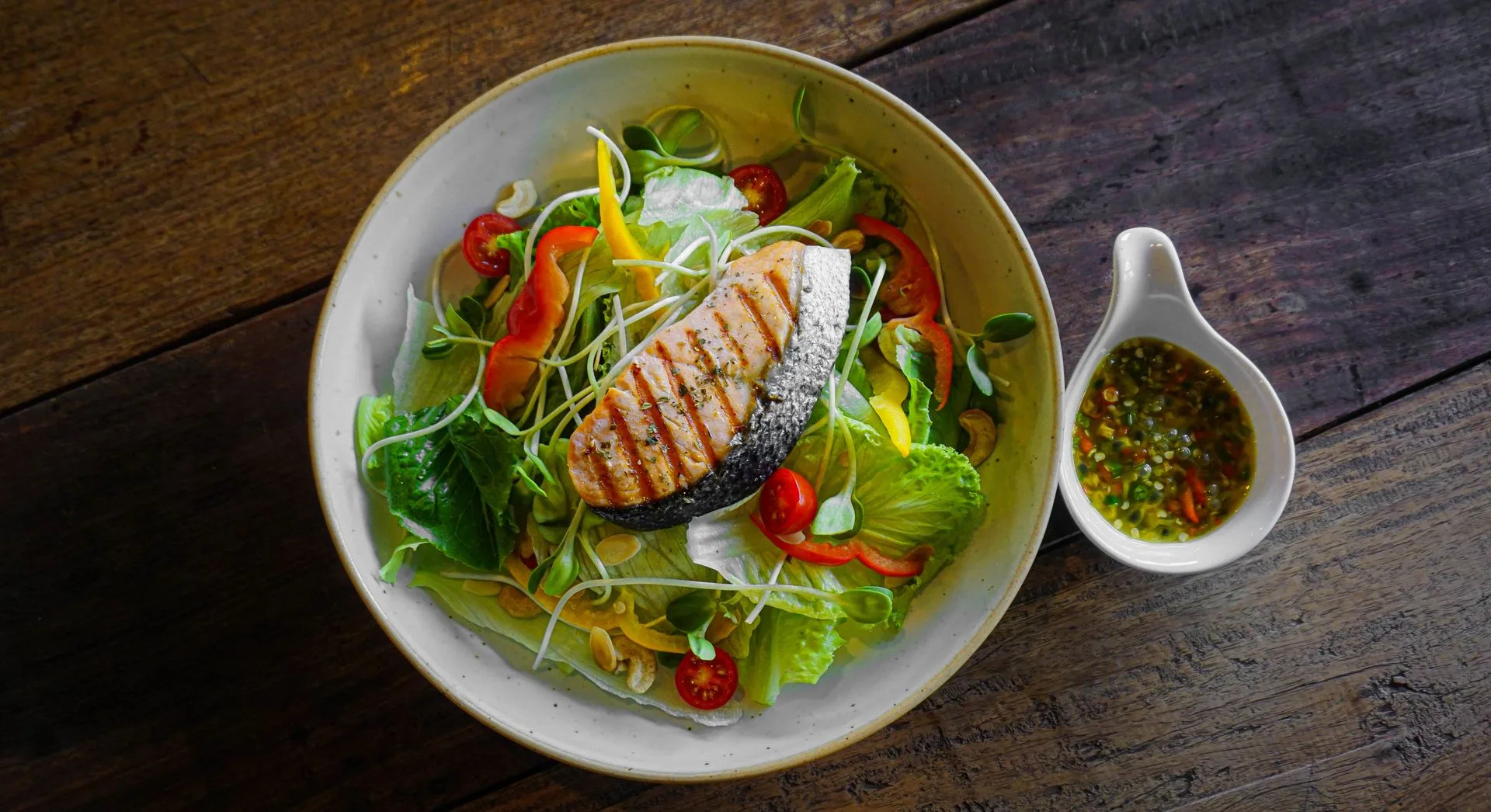
Photo by สุธาสินี เมฆี on Pexels.
Polycystic Ovary Syndrome and Endometriosis
Both PCOS and endometriosis are reproductive diseases, and both are leading causes of infertility in women of child-bearing age. The exact cause of both diseases is unknown.
Polycystic ovary syndrome (PCOS) is a common chronic hormonal condition that affects women of childbearing age. It typically starts in adolescence, but symptoms will fluctuate over the years. PCOS is the leading cause of infertility in women and causes hormonal imbalances, acne, excessive hair on the face and body, weight gain around the belly, irregular periods, and cysts on the ovaries. PCOS has no cure; however, symptoms can be well-medically managed.
Endometriosis is a condition where endometrial tissue (tissue similar to the lining of the uterus) grows outside the uterus on other body parts such as the ovaries, fallopian tubes, bowel, rectum, and bladder. This can cause pain during urination and bowel movements, pain after sex, pain between periods, heavy vaginal bleeding, and infertility. Read here for more information.
Prevalence
According to the World Health Organization, PCOS affects an estimated 10-13% of reproductive-aged women worldwide. Sadly, up to 70% of affected women remain undiagnosed. About one in ten women of childbearing age will have PCOS. In the United States, about 5 to 6 million women have PCOS.
Endometriosis is common and occurs in about 10% of women of reproductive age. It typically starts when a woman begins her period but sometimes is not diagnosed until around the age of 25 – 35 years old. Endometriosis affects about 11% of American women between the ages of 15 and 44 and is more prevalent in women in their 30s and 40s.
Hormonal Connection
Hormonal imbalances increase the risk of PCOS and endometriosis. Women with PCOS have high levels of androgens (male hormones). Androgens prevents ovulation, leading to irregular menstrual cycle. Insulin resistance is a condition where the body does not process the insulin hormone correctly and can stimulate androgen production, further increasing the risk of PCOS. Women with PCOS have also been found to have an imbalance in testosterone, luteinizing hormone (LH), which is responsible for ovulation, sex hormone-binding globulin (SHBG), which is responsible for regulating testosterone, and prolactin hormone, which stimulates milk production in pregnancy.
Endometriosis is highly estrogen-dependent. Women with endometriosis have a higher level of estradiol, a type of estrogen in their body. Estradiol stimulates the endometrial tissue growing outside the uterus, leading to pain and inflammation. Progesterone also plays a role in endometriosis as the growth and symptoms of endometriosis are connected to estrogen and progesterone.
Preventive Strategies
Although you may not be able to prevent endometriosis and PCOS, you can make some lifestyle changes to reduce the chances of getting it.
Since PCOS is sensitive to estrogen, lower the levels of estrogen in your body by avoiding copious amounts of alcohol and caffeine, as they can raise estrogen levels. Exercise regularly to keep your body fat low and reduce the amount of estrogen circulating in your body, and opt for non-hormonal contraceptive or ones with lower doses of estrogen. Other things you can do to reduce your risk of developing both PCOS and endometriosis include managing your stress level, eating nutritious foods, avoiding a sedentary lifestyle, and maintaining a healthy weight since obesity can contribute to insulin resistance. Timely diagnosis and management are essential for a good quality of life for patients with PCOS and endometriosis.
For a deeper look at PCOS symptoms, diagnosis, and long-term management, see our full guide to polycystic ovarian syndrome (PCOS).
Depression and Anxiety
Depression is a common but serious mood disorder that can last for weeks or months at a time. Depression causes a persistent feeling of sadness and loss of interest in activities that you typically enjoy. Depression can interfere with your daily activities, making it challenging to cope with or be motivated about anything. Depression affects the way you act and the way you think. Depression can also cause a loss of appetite, sleeping difficulties, fatigue, feelings of worthlessness, difficulty making decisions, and thoughts of suicide or death.
Postpartum depression is depression that occurs after having a baby. Unlike “baby blues,” which is a feeling of sadness, worry, and tiredness that most women experience the first two weeks following having a baby, postpartum depression (PPD) is more intense and lasts longer. PPD limits a woman’s ability to return to normal function as well as affects the new mother-newborn relationship.
Occasional anxiety is normal. Anxiety is a feeling of dread, uneasiness, and fear that can cause you to feel restless, tense, and sweaty. Anxiety can increase your heart rate. Most of us worry about many things, including family, friends, careers, and finances. This is often temporary and not debilitating. For people with anxiety disorders, the anxiety does not go away and is much more than a temporary feeling of worry or fear. Anxiety disorders can lead to fatigue, irritability, headaches, sleep problems, difficulty concentrating, stomach pains, and unexplained pains in other parts of the body. Anxiety, regardless of the severity, can interfere with our daily activities, including work and relationships.
Prevalence
Women are twice as likely as men to experience major depression. An estimated 21 million adults in the United States have had at least one episode of depression. According to the Center for Disease Control and Prevention (CDC), about one in every ten women in the United States reported having an episode of major depression in the last year. Postpartum depression typically happens around six weeks after childbirth, and about one in eight new mothers report having postpartum depression. Some studies show that up to 20% of new mothers suffer from postpartum depression. Anxiety is one of the most common mental concerns in the United States, with about 40 million adults (19.1%) diagnosed with anxiety disorders in the past year. Like depression, anxiety is more prevalent in females than males.
Hormonal Connection
Natural fluctuations in hormones like estrogen and progesterone can influence the brain neurotransmitters responsible for mood regulation and lead to depression, anxiety, and other mood swings. Hormonal changes such as fluctuations in estrogen levels during the menstrual cycle, pregnancy, and postpartum period can also lead to depression and anxiety. Imbalances in hormones like serotonin and cortisol have been linked to anxiety and depression. Cortisol is typically released with stress. Chronic stress can lead to elevated cortisol, which can exacerbate depression and anxiety. Serotonin helps to regulate mood. An imbalance in serotonin can lead to depression and anxiety. Other hormones, such as thyroid hormones, regulate moods and emotions. Thyroid disorders that disrupt the delicate thyroid hormone balance, such as hypothyroidism and hyperthyroidism, can lead to depression and anxiety.
Preventive Strategies
Regular exercise, healthy sleep patterns, and healthy eating habits can play a role in managing depression and anxiety. Sleep deprivation plays a role in postpartum depression. Good sleep can improve hormonal fluctuations for anyone regardless of their reproductive stage in life and can have positive effects on mental health. Most new mothers are sleep-deprived, given the new responsibilities of taking care of their newborn. Lack of sleep can lead to hormonal imbalance, which causes depression and anxiety. New mothers also often do not have enough time to exercise or may not be yet cleared by their doctor to go back to physical activities; however, moderate physical activity (when medically cleared) can boost endorphins and improve mental health.
Practicing stress-reduction techniques and maintaining strong social connections can help to reduce the risk of developing depression and anxiety. Other ways to manage depression and anxiety include practicing mindfulness, adopting relaxation techniques, meditation, journaling, deep-breathing, proper self-care, avoiding toxic people, maintaining a healthy weight, managing chronic diseases, regular medical checkups, and getting professional help if you think you are depressed or anxious.
Other Hormone-Related Conditions to Know
Beyond the five conditions above, several other hormone-related conditions are worth knowing about, since they follow the same pattern: hormonal shifts across your lifetime change your risk.
- Thyroid disorders – one in eight women will develop a thyroid problem in her lifetime. An underactive thyroid (hypothyroidism) or overactive thyroid (hyperthyroidism) can affect your weight, mood, energy, and menstrual cycle, and thyroid disease becomes more common around pregnancy and menopause as hormone levels shift. Read our full overview of thyroid disease in women for the most common types, symptoms, and when to get your thyroid checked, or see how chronic stress specifically affects thyroid function.
- Insulin resistance and type 2 diabetes – insulin is a hormone, and when your cells stop responding to it normally, blood sugar rises. Insulin resistance is closely linked to PCOS and to weight gain around the belly. In fact, more than half of women with PCOS develop type 2 diabetes by age 40, which is why insulin resistance screening is a standard part of PCOS care.
- Autoimmune disease is a condition where the immune system mistakenly attacks the body’s own tissue. Approximately 80% of people diagnosed with autoimmune diseases are women. Read our full guide on the hormone connection.
- Urinary tract infection – 25% to 40% of women aged 20-40 years old have had a UTI. Lifetime incidence of UTI in women is estimated at 50% to 60% of adult women. Hormonal changes during pregnancy and menopause increase susceptibility to UTI.
- Cervical cancer can arise from the use of hormonal contraceptives or hormonal changes during pregnancy and menopause. About 13,490 new cases are diagnosed yearly, and about 4,200 women die annually from this cancer.
Understanding how hormonal imbalances and women’s health conditions are related is important for effective prevention and management of hormone-related disorders. Developing a healthy lifestyle can reduce the risk of developing most of these diseases, so consider these practices: regular exercise, balanced nutrition, sufficient sleep, stress management, avoidance of smoking, proper hygiene, hydration, urinating regularly and avoiding irritants (to manage UTIs), regular cervical cancer screenings (pap smears), and HPV vaccinations if you are a candidate (for preventing cervical cancer). If you notice several of these changes at once, it may be worth reviewing the broader warning signs of hormonal imbalance so you know what to bring up at your next visit.
When to Talk to Your Doctor
Most of the time, the changes above show up gradually, and there is real room to work with your doctor on prevention. Some symptoms deserve immediate attention instead.
- Heart attack or stroke: chest pain or pressure, shortness of breath, sudden numbness or weakness on one side of your face, arm, or leg, sudden confusion or trouble speaking, or a sudden severe headache. In women, a heart attack can also show up as unusual fatigue, nausea, or upper back, neck, or jaw pain instead of classic chest pain, according to the CDC. For stroke, remember BE FAST: Balance loss, Eye or vision changes, Face drooping, Arm weakness, Speech difficulty, Time to call 911, per the CDC’s stroke guidance. Call 911 immediately. Do not drive yourself.
- Breast cancer: a new lump or mass, swelling without a lump, skin dimpling or thickening, nipple discharge other than breast milk, nipple retraction, or breast or nipple pain that lasts through a full menstrual cycle, per the American Cancer Society. See your doctor promptly rather than waiting for your next scheduled mammogram.
- Osteoporosis: losing an inch or more of height, a new stoop or postural change, unexplained back pain, or a fracture from a fall from standing height or less, per Cleveland Clinic. These can be the first sign of the disease, since osteoporosis itself has no early symptoms.
- PCOS and endometriosis: periods that stop for three or more months without pregnancy, pelvic pain severe enough to interfere with work or daily life, or bleeding heavy enough to soak through a pad or tampon every hour.
- Depression and anxiety: thoughts of self-harm or suicide, two or more weeks of being unable to function in daily life, or postpartum sadness that does not lift after the first two weeks. If you are having thoughts of harming yourself, call or text 988 immediately. The 988 Suicide and Crisis Lifeline has a dedicated maternal mental health line for new and expecting mothers.
Frequently Asked Questions
What are the five most common hormonal diseases in women?
Cardiovascular disease, breast cancer, osteoporosis, PCOS and endometriosis, and depression and anxiety are five of the most common hormonal diseases in women. All five are shaped in part by shifts in estrogen, progesterone, or related hormones across your lifetime, and most have real, evidence-based prevention strategies.
What causes osteoporosis?
Osteoporosis develops when the body breaks down old bone faster than it builds new bone, most often because estrogen levels drop sharply at menopause. Estrogen normally slows bone breakdown, so losing it speeds up bone loss. Family history, small body frame, low bone density, and certain medications also raise your risk.
At what age do women typically develop osteoporosis?
Most women develop osteoporosis after menopause, typically after age 50, since estrogen loss is the leading driver of bone loss. Bone density can already be declining in the years leading up to menopause, which is why bone health habits matter well before your 50s.
Can you prevent PCOS or endometriosis?
You cannot fully prevent PCOS or endometriosis, since the exact cause of both is still unknown, but lifestyle changes can reduce your risk and ease symptoms. Regular exercise, a nutritious diet, stress management, and maintaining a healthy weight all help, since excess body fat and insulin resistance can worsen both conditions. Timely diagnosis and ongoing management matter most for long-term quality of life.
How are hormones connected to depression and anxiety?
Estrogen and progesterone fluctuations directly affect the brain chemicals that regulate mood, which is why depression and anxiety often intensify around your period, pregnancy, and the postpartum period. Cortisol, your body’s main stress hormone, and thyroid hormones can also disrupt mood when they are out of balance. This is why hormone-aware care, not just talk therapy alone, can make a real difference for some women.
Take the Free Lifestyle Assessment
Answer a few quick questions, then reserve your free consultation with Doctor P.
Explore My Programs
From quick resets to hands-on support, here's everything I offer to help you feel like yourself again.
Program
The Madame Estrogen Mastermind
Access a comprehensive solution to say goodbye to your hormonal imbalance!
The Hormone Wellness Network
Embody hormone harmony. Unleash your inner wonder woman — masterclasses, accountability, sisterhood, access to me, and more!