

HORMONES
ChatGPT said:
Discover how to find the best diet for PCOS. Learn which foods balance hormones, reduce symptoms, and support long-term health naturally.
Finding the Best Diet for PCOS
October 16, 2024
If you’ve been told you have PCOS (polycystic ovary syndrome), chances are you’ve also gone down the internet rabbit hole of conflicting advice. Keto, low-carb, gluten-free, dairy-free, the list goes on. As an OBGYN who sees women with PCOS every single day, I understand how frustrating it feels to figure out what actually works for your body. The truth is, there isn’t a “one-size-fits-all” diet, but there are some evidence-based choices that can help manage symptoms and support hormone balance. Let’s break it down in a way that actually makes sense.
Why Diet Matters for PCOS
PCOS is driven by hormonal imbalances, especially insulin resistance and higher androgen levels. Food isn’t a cure, but it can make a powerful difference in how you feel. The best diet for PCOS is one that keeps blood sugar stable, reduces inflammation, and supports ovulation and energy.
Key Foods to Focus On
When it comes to managing PCOS, what you put on your plate matters. Focusing on nutrient-dense, hormone-friendly foods can help balance blood sugar, reduce inflammation, and support your overall health. Here are the key foods to prioritize in your diet.
1. Lean Proteins
Protein helps balance blood sugar and keeps you fuller for longer. Think chicken, turkey, fish, eggs, or plant-based options like lentils and tofu.
2. Fiber-Rich Carbs
Instead of cutting carbs completely, swap refined options (white bread, sugary snacks) for high-fiber ones that digest more slowly. Oats, quinoa, brown rice, beans, and sweet potatoes can all help.
3. Healthy Fats
Omega-3s in salmon, chia seeds, flaxseeds, and walnuts may help lower inflammation and support hormone health. Avocados and olive oil are also great choices.
4. Non-Starchy Vegetables
Broccoli, spinach, kale, zucchini, peppers, the more color on your plate, the better. These add vitamins, minerals, and fiber without spiking blood sugar.
5. Low-Glycemic Fruits
Berries, apples, and pears are lower in sugar and rich in antioxidants. They’re a sweet way to nourish your body without throwing off insulin balance.
Foods to Limit (Not Eliminate)
The best diet for PCOS doesn’t mean cutting out everything you love. It’s about balance.
- Limit sugary drinks and desserts – High sugar intake can spike insulin levels, which may worsen PCOS symptoms like weight gain and irregular periods.
- Avoid fried foods and processed snacks – These are often high in unhealthy fats and can contribute to inflammation and insulin resistance.
- Be mindful of dairy – Some women with PCOS notice that dairy affects their hormone balance or digestion; pay attention to how your body reacts.
- Consider gluten – While not everyone with PCOS is sensitive, some find reducing gluten helps with bloating, inflammation, or hormonal symptoms.
The best diet for PCOS doesn’t mean cutting out everything you love. It’s about balance.
- Limit sugary drinks and desserts – High sugar intake can spike insulin levels, which may worsen PCOS symptoms like weight gain and irregular periods.
- Avoid fried foods and processed snacks – These are often high in unhealthy fats and can contribute to inflammation and insulin resistance.
- Be mindful of dairy – Some women with PCOS notice that dairy affects their hormone balance or digestion; pay attention to how your body reacts.
- Consider gluten – While not everyone with PCOS is sensitive, some find reducing gluten helps with bloating, inflammation, or hormonal symptoms.
Lifestyle Factors That Support Diet
- Exercise: Aim for strength training and walking to improve insulin sensitivity.
- Stress Management: Cortisol spikes can worsen PCOS symptoms, think yoga, journaling, or even a few deep breaths between errands.
- Sleep: Hormones reset overnight, so quality rest is key.
The best diet for PCOS is not about strict rules but about creating a plan you can live with. Focus on whole foods, steady blood sugar, and meals that leave you energized instead of depleted. Remember, progress matters more than perfection. If you’re overwhelmed, start small, swap soda for water, add veggies to one extra meal a day, or cook at home a few times a week.
Your journey with PCOS is unique, and so is your body. The most important thing? Be kind to yourself along the way.
- Limit sugary drinks and desserts – High sugar intake can spike insulin levels, which may worsen PCOS symptoms like weight gain and irregular periods.
- Avoid fried foods and processed snacks – These are often high in unhealthy fats and can contribute to inflammation and insulin resistance.
- Be mindful of dairy – Some women with PCOS notice that dairy affects their hormone balance or digestion; pay attention to how your body reacts.
- Consider gluten – While not everyone with PCOS is sensitive, some find reducing gluten helps with bloating, inflammation, or hormonal symptoms.
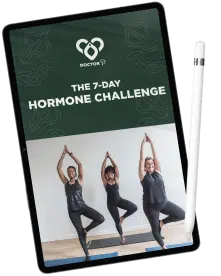
The 7-Day Hormone Challenge
Instantly access actionable steps and data-driven strategies to conquer hormonal imbalance and gain quick wins day by day!
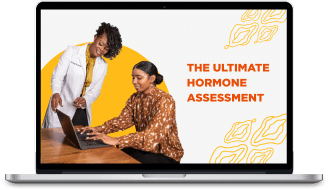
The Ultimate Hormone Assessment
Understand your hormonal imbalance type with our signature 48-question quiz, designed to uncover the root of your symptoms!

The Madame Estrogen Mastermind
Access a comprehensive solution to say goodbye to your hormonal imbalance!
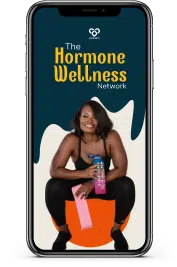
The Hormone Wellness Network
Embody hormone harmony. Unleash your inner wonder woman — masterclasses, accountability, sisterhood, access to Doctor P, and more!